Navigating Energy Sector Transformation: AI, Resilience, and Supply Chain Shifts in the GCC
An analysis of the key trends reshaping the energy sector across the GCC, focusing on the integration of Artificial Intelligence, cybersecurity, and supply chain resilience in the context of a shifting energy mix.
Gulf Business Weekly Editorial Desk
Editorial Analyst
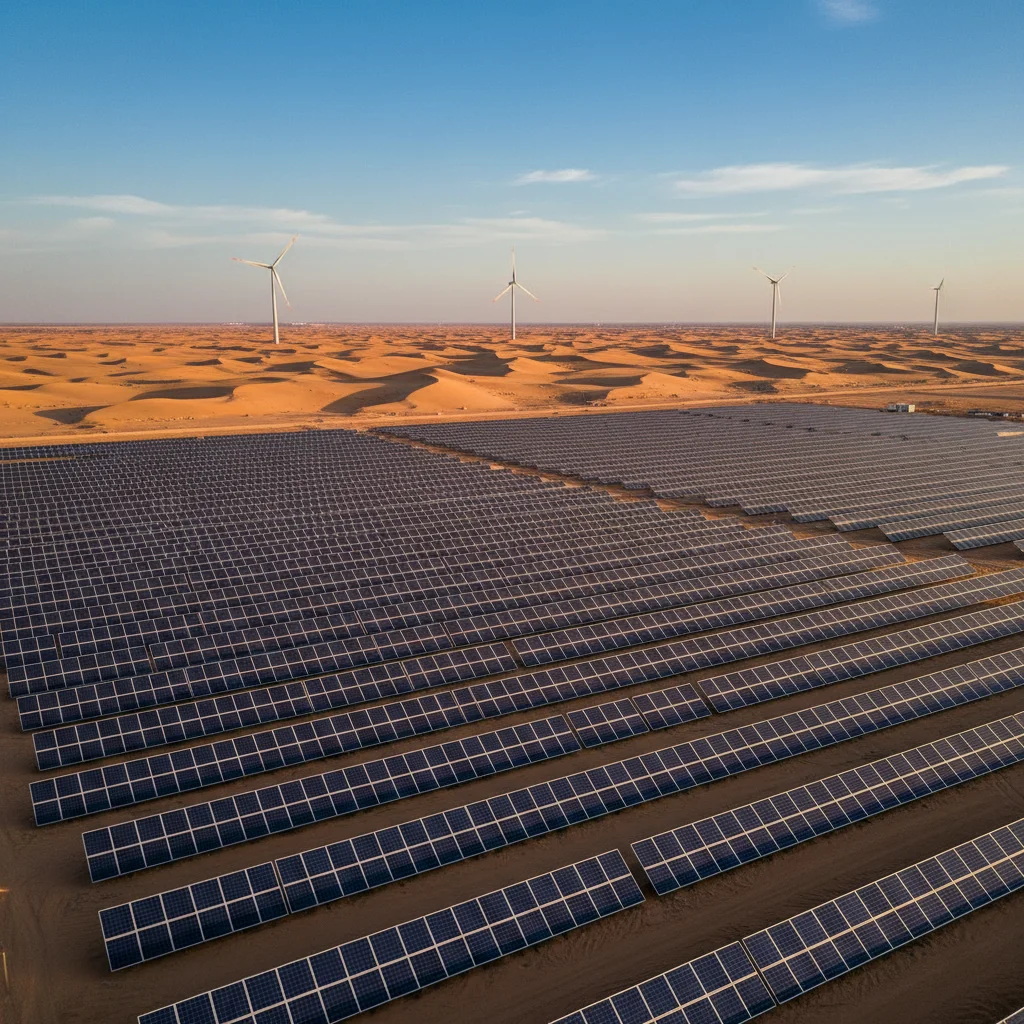
Navigating Energy Sector Transformation: AI, Resilience, and Supply Chain Shifts in the GCC
Executive Summary
The energy sector across the GCC is entering a period of significant structural change, characterized by growing demand across electricity, natural gas, and renewables, coupled with evolving global policies. To thrive, enterprises must move beyond traditional models to embed strategic considerations around technological adoption, operational resilience, and supply chain agility. This report outlines the critical areas where investment and corporate strategy must be directed to secure long-term competitiveness in this evolving landscape.
Introduction
The GCC energy landscape is being redefined by a confluence of factors, including the shift towards diversified energy sources, the accelerating need for operational resilience against geopolitical and climatic risks, and the pervasive influence of digital technologies. For businesses operating in this vital sector, understanding these macro trends is essential for formulating effective corporate strategy and securing sustainable growth.
Main Analysis
#### Growth Across Energy Sources
The region is witnessing a broad expansion in energy requirements, particularly for electricity, which is increasingly driven by the proliferation of data centers, the electrification of industries, and the adoption of electric vehicles. To meet this demand, the sector is adopting an 'all-of-the-above' energy mix strategy, integrating traditional sources with renewables. Crucially, the role of natural gas is shifting from a mere 'bridge' fuel to a foundational 'backbone' energy source, supporting the transition toward a more balanced energy portfolio.
#### Shifting Energy Policy and Market Dynamics
Government policies are actively reshaping investment strategies by balancing fossil fuels with renewable energy incentives. Geopolitical factors, including changes in LNG export policies, introduce volatility that necessitates proactive financial planning. The emergence of new investment avenues, such as Small Modular Reactors (SMRs) and nuclear energy, signals a diversification in the long-term energy planning horizon, supported by various international investment vehicles.
#### Digital Transformation and the Rise of AI
Digital transformation is no longer ancillary; it is central to operational survival. Energy companies are increasingly leveraging cloud solutions, automation, and Artificial Intelligence (AI) to enhance efficiency, reliability, and safety across both back-office functions and field operations. AI and machine learning are being deployed for complex data analytics, process optimization, and predictive maintenance. For middle market players, the key challenge lies in strategically adopting these capabilities without incurring undue risk, requiring a methodical approach to data collection and capability building.
#### Cybersecurity and Resilience
As industrial operations become increasingly digitized and interconnected, the threat surface for cyber incidents expands significantly. Cybersecurity has transitioned from a purely risk-mitigation function to a core component of competitive advantage. Given the critical nature of energy infrastructure, robust cybersecurity frameworks are essential not only to prevent operational disruption but also to maintain stakeholder confidence and ensure business continuity in the face of sophisticated threats.
#### Supply Chain Shifts
Global trade dynamics, including tariffs and evolving trade agreements, continue to influence investment decisions by affecting input costs for essential materials. Furthermore, the energy sector's own demand—driven by electrification and data needs—is creating ripple effects across the entire energy supply chain, necessitating a strategic pivot towards supply chain diversification and reshoring of critical production activities to mitigate vulnerability.
Business Impact
Corporate Strategy: Companies must adopt flexible strategies that account for volatile energy prices and regulatory shifts. Investment decisions need to weigh short-term gains against long-term structural changes, such as those driven by the energy transition.
Business Competitiveness: Resilience, driven by technological adoption (AI, automation) and robust cybersecurity, will become a key differentiator. Failure to modernize operational technology networks risks significant downtime and competitive disadvantage.
Investment Decisions: Investors should look towards areas where strategic investments in grid modernization, clean energy technologies, and digital infrastructure offer pathways to de-risking portfolios while capturing growth in high-demand segments.
Supply Chains and SMEs: SMEs face pressure to modernize their operational technology and secure resilient supply chains to manage input cost volatility and meet growing domestic demand. Success hinges on their ability to integrate digital tools efficiently.
Financial Markets: Increased focus on resilience and technological readiness may influence capital allocation, favoring companies demonstrating clear pathways to sustainable operational efficiency and risk management.
Regional Perspective
Saudi Arabia and the UAE: These nations are leveraging their energy resources and strategic positioning to drive massive infrastructure projects and technological adoption. The focus here is on scaling up domestic production while simultaneously building sophisticated digital ecosystems to support energy management and future economic diversification. The UAE, in particular, is emphasizing the energy transition and its role in attracting global technology investment.
GCC Integration: Regional cooperation is becoming more vital as economies seek to harmonize standards in areas like green energy deployment and cross-border logistics. Shared challenges, such as grid stability and energy security, necessitate collaborative policy and infrastructure planning.
Global Competitiveness: The region's ability to attract and retain talent skilled in AI and digital technologies will determine its standing in the global energy transition narrative. Companies must position themselves not just as producers but as technological integrators.
Future Outlook
Over the next three to five years, the energy sector in the GCC will be defined by three core trajectories. Firstly, the energy mix will continue to pivot, with renewables becoming a substantial complement to traditional sources, supported by increased investment in grid modernization and energy storage solutions. Secondly, the digital economy, powered by AI and IoT, will permeate every facet of energy operations, driving unprecedented levels of efficiency and predictive capability. Thirdly, supply chain strategy will solidify around resilience, favoring diversified sourcing and localized production to insulate operations from global shocks.
Investment will increasingly flow towards enabling technologies—such as advanced power management systems, AI-driven analytics platforms, and critical cybersecurity solutions—rather than solely focusing on upstream extraction.
Conclusion
The energy sector in the GCC is at an inflection point. Sustained success requires a holistic strategy that marries energy transition goals with aggressive digital and operational modernization. Proactive investment in resilience, technological capability, and collaborative regional planning will be the primary determinants of corporate competitiveness and long-term economic stability in the region.
Original Sources
Gulf Business Weekly Editorial Desk
Gulf Business Weekly编辑部负责公开信息整理、内容生成审核与栏目更新。