Beyond Oil: How Saudi Arabia''s Wind Power Surge Reveals a New Economic Blueprint
Saudi Arabia's recent wind farm contracts and tenders, including the landmark 1.8GW Nairyah project, signal more than just renewable energy adoption. This analysis reveals a strategic pivot towards a new industrial and economic model. By leveraging its vast, windy landscapes through competitive IPP tenders, the Kingdom is methodically building a domestic power project development and financing ecosystem. This move aims to create a parallel, non-oil industrial base, attract foreign expertise under local partnership models, and secure long-term energy cost advantages for future industries. The wind rush is a calculated play for economic diversification, technological sovereignty, and positioning in the future global green energy supply chain.
Omar Hassan
Editorial Analyst
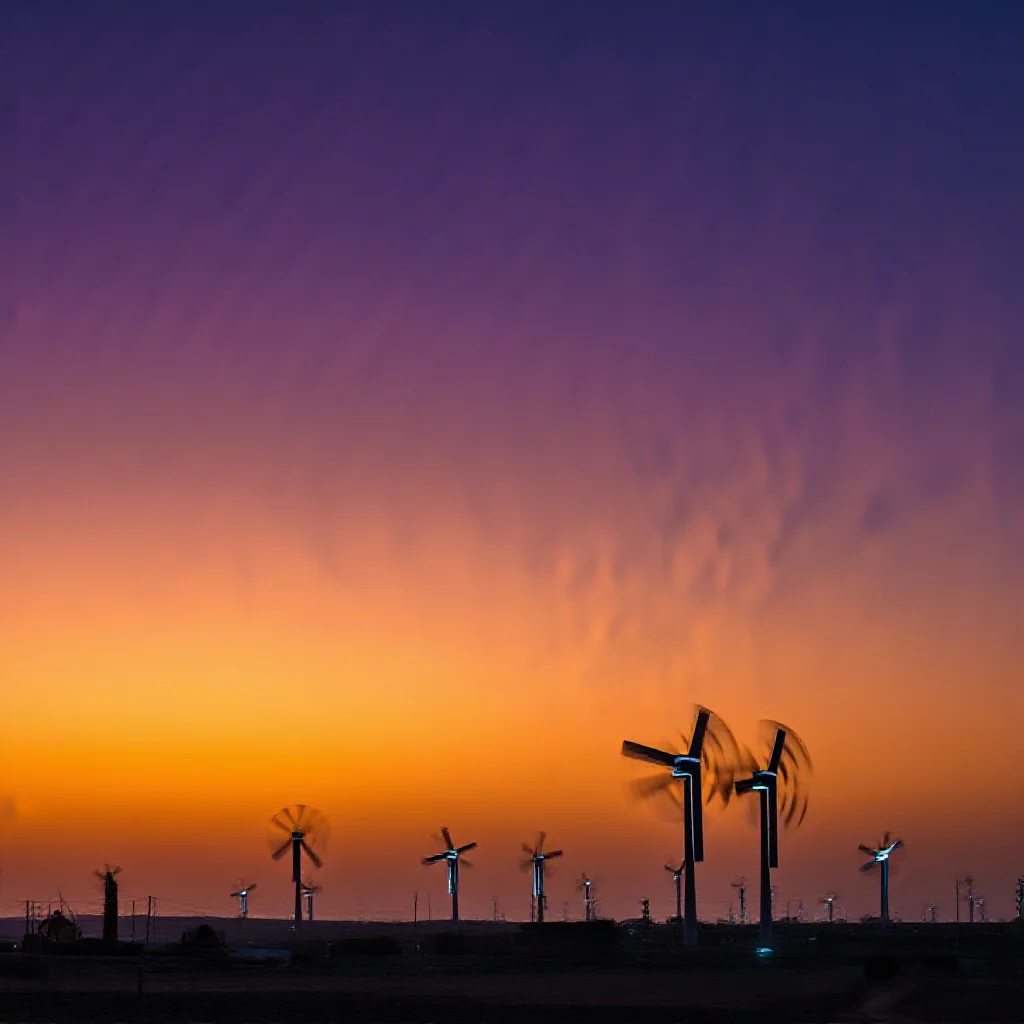
Beyond Oil: How Saudi Arabia's Wind Power Surge Reveals a New Economic Blueprint
Introduction: Decoding the Wind Rush in the Desert Kingdom
The global energy landscape observes a significant recalibration as Saudi Arabia, a nation synonymous with hydrocarbon wealth, accelerates its procurement of wind power capacity. Recent contract awards for the 600MW Al-Ghat and 400MW Waad al-Shamal wind farms, coupled with the tender for the 1,800MW Nairyah wind project, constitute tangible data points in a broader strategic equation (Source 1: [Primary Data]). This activity, under the National Renewable Energy Programme (NREP), transcends environmental signaling. Analysis indicates these developments are primary instruments in a calculated economic diversification strategy. The deployment of wind technology across the Kingdom's vast terrain is a functional test of a new industrial and financial model designed to operate in parallel with the traditional oil sector.
The Hidden Blueprint: IPP Models as an Economic Engine
The structural design of these projects, particularly the Nairyah initiative, reveals the core economic mechanism. The project is structured as an Independent Power Producer (IPP) scheme, where a winning consortium will "develop, finance, build, own and operate" the facility (Source 1: [Primary Data]). This model performs a critical dual function. First, it systematically transfers project execution risk and mobilizes global capital, insulating state balance sheets. Second, and more strategically, it forces the creation of a sophisticated domestic ecosystem for non-oil project finance. Each tender necessitates the involvement of local partners, lawyers, bankers, and insurers, thereby constructing a replicable framework for large-scale infrastructure development detached from direct hydrocarbon revenue. The objective is the cultivation of a self-sustaining "renewable industrial complex"—a cluster of specialized firms capable of competing for and delivering mega-projects.
Strategic Geography: Why the Northern Borders Province?
The selection of the Northern Borders Province for the 1.8GW Nairyah project is a decision laden with geopolitical and economic logic beyond favorable wind resources. Locating a mega-project of this scale in a peripheral region serves multiple strategic purposes. It acts as a catalyst for infrastructure development—grid connections, roads, and ancillary services—in areas historically less central to the oil-centric economy. This promotes national economic cohesion and establishes new industrial zones. Furthermore, it positions substantial generation capacity in a region that could potentially integrate with future economic activities, such as mineral processing for the mining sector or as a dedicated power source for green hydrogen production facilities aimed at export markets. The geographical placement is an investment in regional economic rebalancing.
The Long Game: Wind Power and the Future Saudi Supply Chain
The commitment to gigawatt-scale wind power initiates a long-term industrial development cycle. Procuring turbines, while initially reliant on international original equipment manufacturers (OEMs), creates a locked-in demand for operations, maintenance, and logistics over a 25-30 year asset life. This demand will necessitate the growth of a local service supply chain, fostering technical expertise and creating a new engineering labor market niche distinct from petroleum engineering. The logical progression involves the gradual localization of component manufacturing, from towers and blades to more complex assemblies, as project volumes justify the investment. This process seeds a competitive advantage in the future global green technology supply chain, aligning with broader goals of technological sovereignty and job creation for a growing population.
Conclusion: A Calculated Pivot to Post-Hydrocarbon Competitiveness
The development of wind power in Saudi Arabia is a measurable indicator of a deeper economic transition. The consistent application of the competitive IPP model by the Saudi Power Procurement Company (SPPC) demonstrates a methodical approach to building institutional and market competence. The primary output is not merely gigawatts of carbon-free electricity, but a proven blueprint for financing, delivering, and operating large-scale industrial projects outside the state hydrocarbon framework. Market analysis suggests this trajectory will continue to attract foreign expertise under enforced knowledge-transfer partnerships, while simultaneously driving down the long-term cost of energy—a critical input for future export-oriented industries like green steel, aluminum, or hydrogen. The wind rush, therefore, is a strategic play to secure cost and industrial advantages in a decarbonizing global economy, fundamentally redefining the Kingdom's economic architecture.
Keywords

Omar Hassan
Energy Correspondent tracking OPEC+ policies and renewable energy transitions.