Beyond the Discount: The Strategic Economics of Dubai''s Luxury Staycation Boom
Dubai's hotels and resorts are aggressively courting UAE residents with discounted luxury staycation packages. While presented as simple getaways, this trend reveals a sophisticated market strategy. It represents a deliberate pivot to stabilize revenue by cultivating a dependable domestic luxury consumer base, reducing reliance on volatile international tourism. This article analyzes the underlying economic logic, examining how these offers are not just promotions but tools for data collection, brand loyalty building, and asset utilization optimization in a post-pandemic landscape. We explore the long-term implications for Dubai's hospitality sector and what it signals about the evolving spending habits of the UAE's resident population.
Ahmed Al-Farsi
Editorial Analyst
Beyond the Discount: The Strategic Economics of Dubai's Luxury Staycation Boom

Introduction: More Than a Weekend Escape
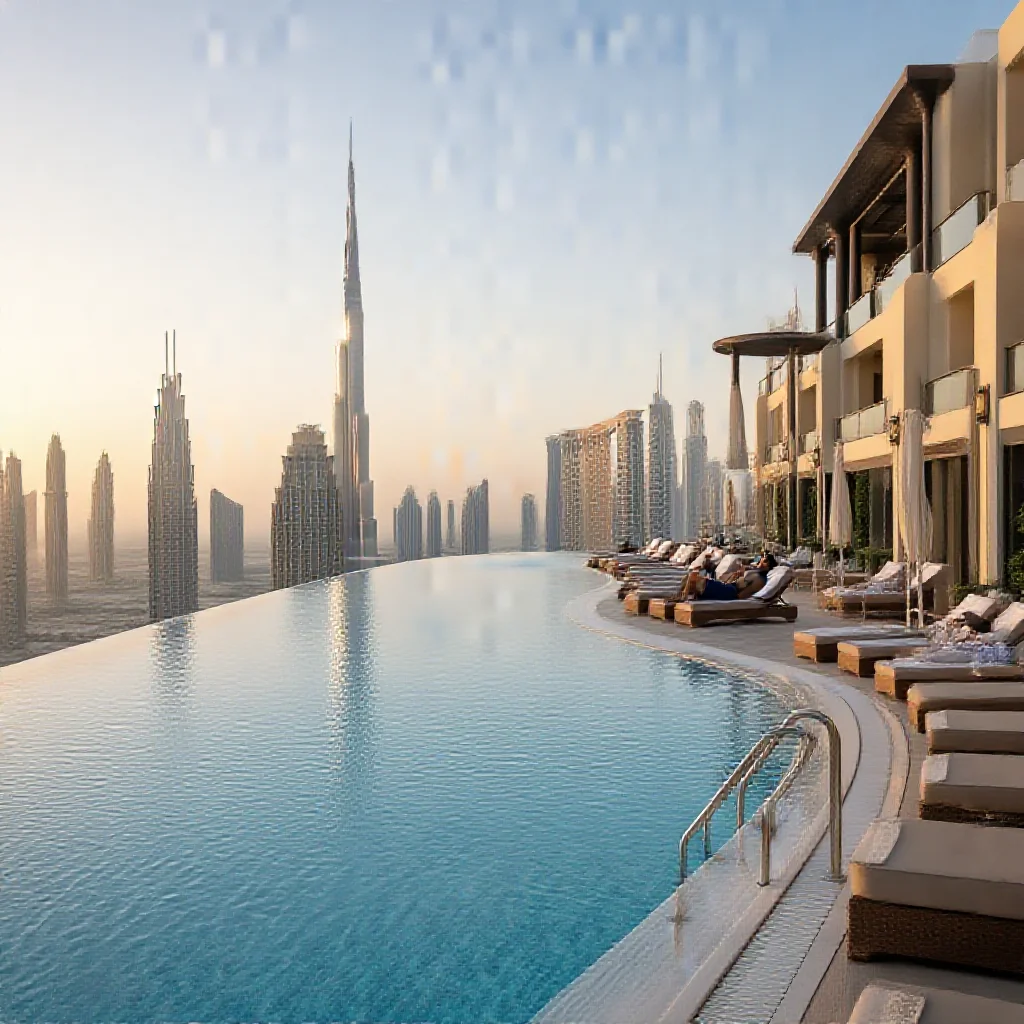
A pronounced surge in resident-exclusive luxury offers has become a fixture of Dubai's hospitality landscape. Hotels and resorts across the emirate are systematically marketing curated staycation packages, defined by discounted rates and bundled amenities, specifically to the UAE resident population (Source 1: [Raw Data]). This trend, often perceived as a promotional tactic for off-peak periods, represents a more profound strategic evolution. Analysis indicates these initiatives are not a temporary pandemic-era stopgap but a matured, deliberate pivot. The core thesis is that these packages constitute a calculated economic maneuver designed to build sector resilience by systematically monetizing the established affluence of the domestic market.

Decoding the Offer: The Anatomy of a Strategic Package
The standard luxury staycation package follows a consistent architecture: a discounted room rate combined with a food and beverage credit, a spa treatment allowance, and a late check-out privilege. Facilities such as private beaches, pools, and children's clubs are uniformly included (Source 1: [Raw Data]). A component-level analysis reveals strategic intent. Each element targets a distinct, high-margin revenue center—rooms, F&B, and spa services—effectively cross-selling within a captured audience. The marginal cost of providing facility access or a late check-out is negligible, yet these inclusions significantly boost the perceived value of the package. This structure is engineered to maximize on-property spending, transforming a room-only booking into a comprehensive revenue event across multiple hotel departments.
!An infographic-style image breaking down a sample staycation package into its value components.

The Hidden Economic Logic: Why Target Residents Now?
The aggressive pursuit of the resident market is underpinned by a clear economic logic focused on risk mitigation and data acquisition. First, it functions as a volatility shield. By cultivating a dependable domestic consumer base, hotels can reduce their operational and financial dependency on international tourist flows, which are susceptible to global economic downturns, currency fluctuations, and geopolitical instability. Second, it enables cash flow stabilization. Resident-driven demand, concentrated on weekends and local holidays, fills predictable occupancy troughs, creating a smoother, more reliable revenue stream.
The third, and perhaps most significant, logic is informational. Resident bookings provide a rich, consistent data goldmine. Unlike transient international guests, residents represent a stable, repeatable customer segment. Their spending patterns within the controlled environment of a bundled offer—preferences for dining outlets, spa service utilization, ancillary purchases—deliver actionable intelligence. This data is critical for refining hyper-personalized marketing, optimizing service design, and forecasting demand with greater accuracy for this specific demographic.
!A conceptual image of a graph showing smooth occupancy curves overlaying a volatile one.

The Long-Term Play: Cultivating the Home-Market Luxury Consumer
The strategic implications extend beyond immediate revenue stabilization into long-term brand and market development. These curated experiences act as a gateway to fostering deep brand loyalty among a high-net-worth resident population. A positive, accessible luxury experience transforms residents into brand advocates, increasing the lifetime value of a customer who may book both personal staycations and recommend the property to visiting friends and family.
Furthermore, this trend serves as a training ground for the local luxury ecosystem. As residents become more accustomed to consuming premium hospitality services within Dubai, their sophistication as consumers increases. This, in turn, elevates local market standards and creates a cohort of ambassadors who can credibly recommend Dubai's luxury offerings to their international networks. Over time, a strengthened, predictable domestic demand could influence operational models, encouraging more localized and resilient supply chains for F&B, adjustments in staffing for consistent weekend operations, and inventory planning that balances international and domestic source markets.
!A stylized image showing a resident's journey from a staycation booking to brand advocacy.

Conclusion: A Structural Shift in Hospitality Economics
The proliferation of luxury staycation packages for UAE residents is a symptom of a structural shift within Dubai's hospitality sector. It is a transition from an over-reliance on a single, volatile revenue source to a more diversified and resilient economic model. The strategy leverages the unique demographic composition of the UAE—a concentrated population with high disposable income—to create a buffer against external shocks.
Market analysis suggests this trend will not recede but will likely evolve. Future packages may become more segmented, targeting specific resident demographics—families, couples, solo travelers—with even greater precision. The data harvested from these initiatives will fuel further personalization and service innovation. Ultimately, the staycation boom is less about a discounted room and more about a fundamental recalibration, signaling the strategic intent to anchor a portion of the luxury hospitality market's future in the sustained spending power of its own resident community.
Keywords

Ahmed Al-Farsi
Luxury & Lifestyle Editor with expertise in high-end hospitality and retail.