Beyond Abundance: The 2026 Luxury Paradigm Shift from Opulence to Precision
A 2026 report from the Dubai Chronicle, synthesizing insights from leading global consultancies, signals a fundamental redefinition of luxury. The core thesis is clear: luxury is no longer defined by abundance or conspicuous consumption but by precision—exactness in curation, experience, and value. This article analyzes this pivotal shift, exploring its economic drivers in a volatile global market, its technological enablers like AI-driven personalization, and its profound implications for supply chains, brand strategy, and consumer identity. We examine why this move towards ''measured luxury'' represents not just a trend, but a new market logic for the post-excess era.
Ahmed Al-Farsi
Editorial Analyst
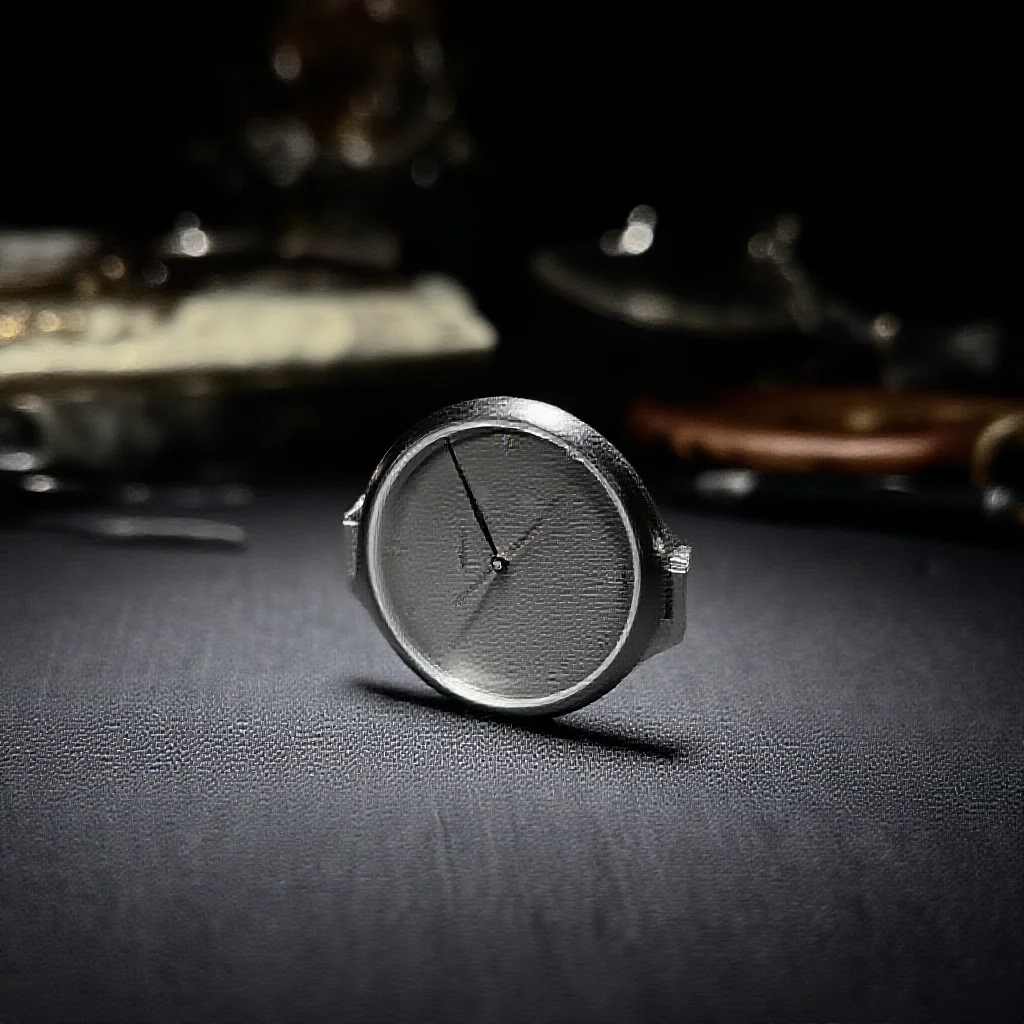
Beyond Abundance: The 2026 Luxury Paradigm Shift from Opulence to Precision
Introduction: The End of ‘More’ – Decoding the 2026 Luxury Mandate
A report published on March 23, 2026, by the Dubai Chronicle synthesizes insights from leading specialized consulting firms across travel, fashion, real estate, and consumer industries (Source 1: [Dubai Chronicle, March 2026]). The analysis presents a definitive thesis: luxury in 2026 is defined by precision, not abundance. This conclusion marks a departure from decades of market logic predicated on conspicuous consumption and volume. The article’s purpose is to audit the economic, technological, and cultural forces engineering this structural shift in the luxury sector.
Deep Audit: The Economic and Cultural Engine of ‘Precision Luxury’
The shift toward precision is not an aesthetic preference but a rational market adaptation. Post-pandemic global volatility, characterized by geopolitical instability and resource scarcity, has recalibrated the risk calculus of high-net-worth individuals. Abundance carries the new liabilities of waste, ethical scrutiny, and depreciating social capital. Precision, conversely, represents a hedge against volatility—a metric of exacting value, durability, and relevance in an uncertain world.
Culturally, this manifests as a move from external status signaling to internal fulfillment and quiet confidence. The elite consumer’s identity is increasingly constructed through demonstrable expertise and curated discernment rather than through the volume of possessions. This evolution contrasts sharply with pre-2020 paradigms of logo-centric, mass-prestige luxury. The change is structural, driven by a slow recalibration of value systems, not a transient fashion cycle.
The Precision Toolkit: Technology as the Silent Enabler
Technology has transitioned from a tool for novelty to the essential infrastructure for precision. Artificial intelligence and advanced data analytics facilitate hyper-personalization, enabling a move from limited editions to “one-of-one” products and bespoke experiences. This represents precision in curation and fit.
Blockchain technology and advances in material science provide the backbone for radical transparency and verifiable provenance. Consumers can audit the origin of materials, the carbon footprint of production, and the ethical credentials of the supply chain with unprecedented specificity. This is precision in origin and impact. The technological toolkit is no longer for flash but for delivering verifiable, exact value.
The Supply Chain Reckoning: From Volume to Value Engineering
The most profound long-term impact of this shift will be on luxury supply chains. Precision demands a fundamental re-engineering from models optimized for efficient volume to those capable of agile, artisanal, and transparent micro-production. The report indicates a move toward “collaborative scarcity,” where brands intentionally limit partnerships to a select network of suppliers capable of meeting extreme qualitative and ethical standards.
This will drive significant consolidation within the supplier ecosystem. Artisans and manufacturers who can provide verifiable precision in craftsmanship, material sourcing, and sustainable practices will gain strategic importance. Conversely, suppliers reliant on opaque, bulk manufacturing for the luxury sector face obsolescence. The entire value chain is being pressured to align with the new precision mandate, making traceability and excellence non-negotiable components of production.
Verification and Sources: Deconstructing the 2026 Report
The Dubai Chronicle’s analysis is constructed from a synthesis of cross-industry consultancy data, representing a meta-analysis of proprietary market forecasts and consumer sentiment studies (Source 1: [Dubai Chronicle, March 2026]). The methodology involves aggregating and cross-validating insights from discrete sectors—travel, fashion, real estate, consumer goods—to identify a convergent macro-trend.
The report’s publication date, March 23, 2026, places its findings within a specific economic context of continued post-pandemic adjustment and technological maturation. The absence of singular, sensationalist quotes within the source material underscores the report’s analytical, rather than editorial, nature. Its authority is derived from the aggregated weight of its underlying consultancy sources.
Conclusion: The New Market Logic for a Post-Excess Era
The 2026 luxury paradigm represents a new market logic. Precision is emerging as the primary vector for competition, consumer loyalty, and brand valuation. The implications are systemic, affecting product development, marketing narrative, supply chain management, and retail experience.
Market predictions based on this analysis suggest continued growth for brands that can authentically operationalize precision—in personalization, provenance, and production. Sectors that resist this shift, remaining anchored to outdated models of opulent abundance, will likely face margin compression and brand relevance erosion. The era of measured luxury has begun, establishing precision as the definitive currency of the post-excess age.
Keywords

Ahmed Al-Farsi
Luxury & Lifestyle Editor with expertise in high-end hospitality and retail.