Luxury Trends in the GCC: How UAE and Saudi Arabia Are Redefining Global Luxury Markets
The Gulf Cooperation Council (GCC) has emerged as a powerhouse in the global luxury market, with the Middle East and Africa region posting a staggering 53% surge in 2021, overtaking Japan as Richemont's fourth-largest market. Driven by a young, affluent Gen Z and millennial population, the UAE and Saudi Arabia lead this growth, leveraging oil wealth, ambitious economic visions, and digital-first consumer habits. This article delves into the underlying economic logic, demographic shifts, and strategic adaptations by luxury brands—from localized products to phygital experiences—revealing how the Gulf is not just a consumption hub but a blueprint for the future of luxury retail.
Ahmed Al-Farsi
Editorial Analyst
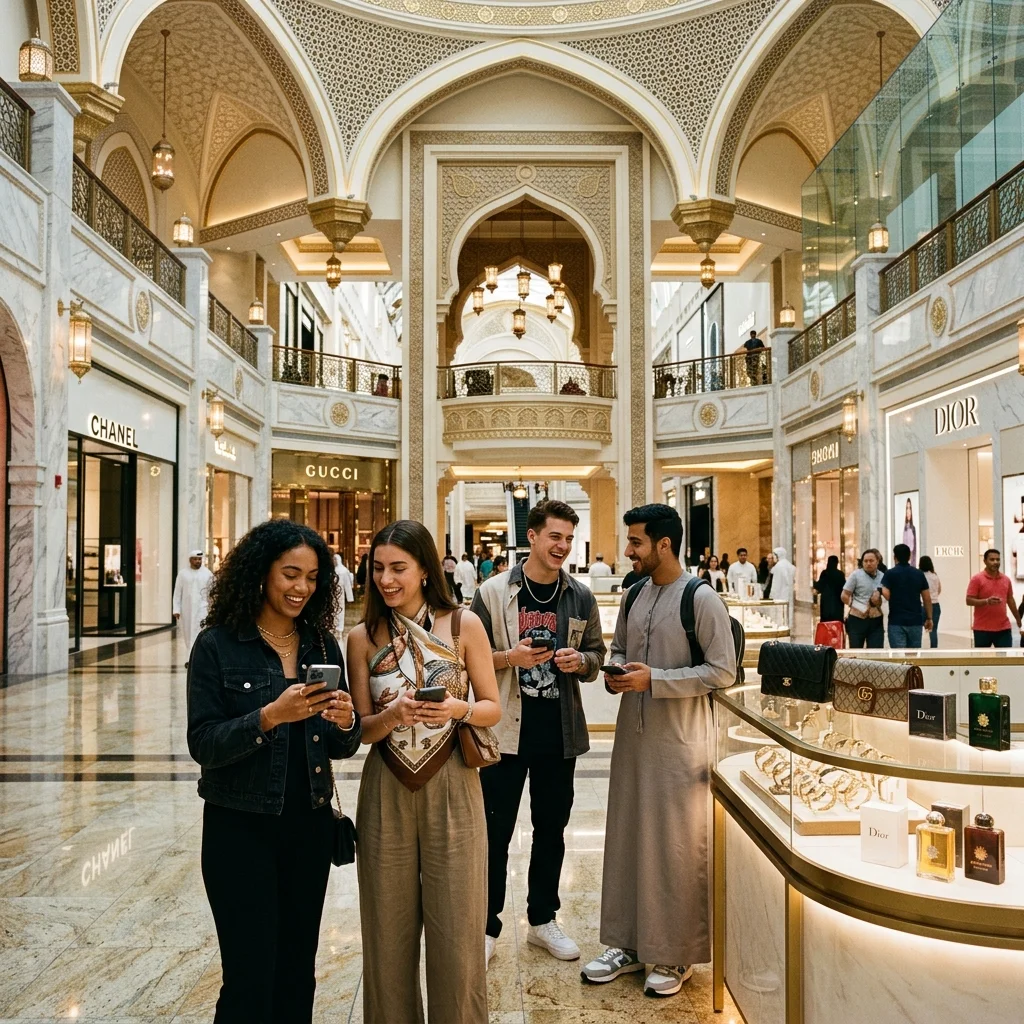
Luxury Trends in the GCC: How UAE and Saudi Arabia Are Redefining Global Luxury Markets
Introduction: The Gulf’s Luxury Revolution
In 2021, Richemont—the parent company of Cartier, Van Cleef & Arpels, and IWC—reported a staggering 53% surge in luxury sales from the Middle East and Africa (MEA) region, propelling it past Japan to become the group’s fourth-largest market. This milestone was not a one-off anomaly. The Gulf Cooperation Council (GCC), comprising the UAE, Saudi Arabia, Qatar, Kuwait, Oman, and Bahrain, has emerged as a structural powerhouse in global luxury consumption, reshaping how brands approach product development, marketing, and retail. With a young, digitally native population, vast sovereign wealth, and ambitious economic diversification plans, the GCC is no longer just a regional spending hub—it is a blueprint for the future of luxury retail worldwide.
[IMAGE: A world map highlighting the GCC with growth arrows pointing upward, or an infographic of Richemont’s regional sales breakdown showing MEA overtaking Japan]
This article examines the economic logic, demographic shifts, and strategic adaptations that have turned the Gulf into a critical growth engine for luxury brands. From localized product collections to phygital retail experiences, the region’s unique dynamics are forcing global players to rethink their playbooks.
Demographic Power: The Young, Affluent Consumer Base
The GCC boasts one of the world’s youngest populations. In Saudi Arabia, more than 50% of the population is under 30, while the UAE has a similar demographic profile, driven largely by expatriate inflows and high birth rates among nationals. This Gen Z and millennial cohort is not only large but also exceptionally affluent, thanks to family wealth, government support, and a culture of high disposable income. According to recent studies, GCC Gen Z luxury spending is among the highest globally, with young consumers allocating a significant portion of their income to fashion, watches, jewelry, and luxury travel.
These digitally native consumers prioritize experiences over mere ownership. They seek brand storytelling, exclusivity, and limited-edition drops. Social media platforms like Instagram and TikTok drive discovery, while influencers and local tastemakers shape purchase decisions. For luxury brands, this means that a traditional storefront is no longer enough—engagement must happen online, in person, and everywhere in between.
[IMAGE: Candid photo of young, stylish men and women at a luxury brand event or in a high-end café in Dubai Marina]
The Gulf luxury lifestyle trends reflect a blend of global aspirations and local cultural values. Modest fashion, for instance, has become a major category, with luxury houses launching hijab-friendly lines and Ramadan capsules. At the same time, the region’s love for high-octane experiences—luxury car rallies, yacht parties, and desert glamping—fuels demand for supercars, high-end watches, and exclusive travel packages.
UAE and Saudi Arabia: The Twin Engines of Growth
UAE: The Established Luxury Hub
Dubai has long been the region’s luxury retail epicenter. The Dubai Mall, home to over 1,200 stores including flagship boutiques of Louis Vuitton, Chanel, and Rolex, attracts millions of tourists annually. Abu Dhabi, with its Louvre museum and Saadiyat Island cultural district, is carving a niche for art and heritage luxury. The UAE luxury market growth is fueled by zero income tax, a stable currency pegged to the dollar, and a government that actively courts high-net-worth individuals through golden visas and business-friendly policies. In 2022 alone, Dubai welcomed over 14 million international visitors, many of whom engaged in high-value shopping.
Saudi Arabia: The Transformative Giant
Saudi Arabia’s Vision 2030 is the most ambitious economic diversification plan in the region. The kingdom is investing hundreds of billions of dollars into mega-projects such as NEOM, the Red Sea luxury resorts, and Diriyah Gate. These developments are designed to attract international tourists and position Saudi Arabia as a luxury destination in its own right. The Saudi Arabia luxury sector is experiencing explosive growth, with brands racing to open boutiques in Riyadh’s Kingdom Centre and Jeddah’s new malls. The Public Investment Fund (PIF) has directly invested in luxury ventures, including a stake in the global fashion platform Farfetch and the creation of the Saudi Fashion Commission.
[IMAGE: Split image: Left side showing Dubai’s luxury mall atrium, right side showing Saudi’s AlUla heritage luxury resort construction]
Both markets benefit from government-backed events such as Riyadh Season, Dubai Shopping Festival, and Formula 1 races, which generate spikes in luxury spending. The competition between the two emirates—Dubai and Abu Dhabi—and the Saudi cities of Riyadh and Jeddah is driving innovation in retail experiences, from private shopping suites to art collaborations.
The Economic Backbone: Oil Wealth Underpinning Luxury
The MENA region holds over 50% of the world’s proven oil reserves and approximately two-fifths of natural gas reserves. This hydrocarbon wealth provides the GCC with immense sovereign financial power. Governments distribute portions of oil revenues to citizens through salaries, subsidies, and direct transfers, which underwrite high levels of consumer spending. Sovereign wealth funds—such as the Abu Dhabi Investment Authority (ADIA), the Qatar Investment Authority (QIA), and Saudi Arabia’s PIF—have become major players in the global luxury industry, acquiring stakes in brands like LVMH, Valentino, and Selfridges.
The relationship between MENA oil wealth luxury demand and luxury markets is direct: when oil prices are high, government spending increases, and domestic consumption booms. Conversely, even during price slumps, the region’s accumulated reserves buffer the luxury sector. This structural advantage makes the GCC less susceptible to global economic cycles than other emerging markets.
Furthermore, the region’s high-net-worth individuals (HNWIs) represent a disproportionate share of global luxury purchases. According to Knight Frank’s Wealth Report, the UAE and Saudi Arabia are among the fastest-growing markets for millionaire populations. These HNWIs often seek ultra-luxury items such as bespoke jewelry, limited-edition watches, and supercars, driving brands to open private ateliers and VIP showrooms.
Localization Strategies: Adapting to Gulf Tastes
As brands deepen their presence in the GCC, luxury supply chain localization has become a key competitive advantage. Rather than shipping standard global collections, many houses now develop products specifically for the Gulf market. This includes:
- Modest fashion lines: Dolce & Gabbana, Michael Kors, and Tommy Hilfiger have launched abaya-inspired designs and hijab-friendly accessories.
- Cultural motifs: Cartier and Van Cleef & Arpels incorporate Arabic calligraphy and geometric patterns into limited-edition pieces.
- Scent preferences: Perfume houses create stronger, oud-based fragrances tailored to local olfactory tastes.
- Sizing and fit: Tailored cuts for traditional attire and larger sizing options for Gulf body types.
Localization extends beyond products to marketing. Brands employ regional ambassadors, partner with Arab influencers, and sponsor local events such as the Dubai Opera and Saudi’s MDL Beast music festival. Ramadan and Eid collections have become major revenue drivers, with some brands seeing up to 30% of annual sales during these periods.
[IMAGE: A display of luxury watches with Arabic numerals or a Cartier bracelet engraved with Arabic calligraphy]
Retail localization also involves adapting store designs to reflect local architecture and hospitality. Hermès stores in Dubai and Riyadh feature materials like mother-of-pearl and palmwood, while private shopping lounges offer Arabic coffee and dates. This deep cultural embedding helps brands build trust and loyalty with Gulf consumers.
The Rise of Phygital Luxury: Blending Online and Offline
The GCC is one of the most digitally connected regions in the world, with smartphone penetration exceeding 95% in the UAE and 92% in Saudi Arabia. Yet luxury consumers in the Gulf still crave in-person experiences. This paradox has given rise to the “phygital” luxury model—a seamless integration of physical and digital retail.
Luxury brands are investing in:
- Virtual try-ons: Using augmented reality (AR) for watches and jewelry, allowing customers to see how a Cartier ring or a Rolex looks on their wrist before visiting a store.
- Live shopping events: Influencers host interactive sessions on Instagram or TikTok, where viewers can purchase limited-edition items in real time.
- Smart fitting rooms: In flagship stores, mirrors with AI suggest complementary items and allow instant checkout via mobile.
- Exclusive apps: Louis Vuitton’s Middle East app offers personal shopper services, appointment booking, and early access to new collections.
[IMAGE: A person using a smartphone to virtually try on luxury sunglasses while standing in a high-end store, with a sales assistant nearby]
Saudi Arabia’s young population is particularly receptive to digital-first luxury. The kingdom’s push toward a cashless society (Vision 2030 targets 70% digital payments by 2030) accelerates this trend. Brands that successfully execute phygital strategies—like Gucci’s AR sneaker try-on or Dior’s virtual pop-up store in Riyadh—see higher conversion rates and customer retention.
At the same time, luxury brands are opening experiential flagship stores that function as social destinations rather than mere retail outlets. Café collaborations (like Chanel’s Coco Café in Dubai), art galleries, and private event spaces create reasons for consumers to spend time in-store, driving both foot traffic and online engagement.
Conclusion: The Gulf as a Global Luxury Blueprint
The GCC’s luxury revolution is not a temporary bubble. Driven by a young, affluent demographic, massive oil-backed sovereign wealth, and visionary government reforms, the region is reshaping global luxury markets in fundamental ways. The UAE luxury market growth shows no signs of slowing, while Saudi Arabia luxury sector expansion is just beginning to hit its stride.
For international brands, the lessons are clear: succeed in the Gulf by embracing localization, investing in phygital experiences, and engaging with Gen Z through authentic storytelling. The Richemont MEA surge 2021 was a wake-up call, but the real story is the structural shift underway. As the Gulf continues to attract talent, tourists, and capital, it is becoming not just a consumption hub but a laboratory for the future of luxury—where tradition meets innovation, and where physical and digital realms converge.
[IMAGE: Evening view of Dubai’s skyline with luxury storefronts lit up, and a group of young people walking with shopping bags, symbolizing the blend of modern luxury and cultural identity]
The question is no longer whether the GCC matters for luxury—it is whether global brands can adapt fast enough to meet the region’s evolving expectations. Those that do will find a market that rewards creativity, cultural sensitivity, and digital fluency with loyalty and growth.
Keywords

Ahmed Al-Farsi
Luxury & Lifestyle Editor with expertise in high-end hospitality and retail.