Beyond Charity: The Strategic Consumer Shift Supporting UAE Small Businesses in Economic Uncertainty
In the face of economic uncertainty, UAE consumers are evolving from passive shoppers to strategic partners for small businesses. This article explores the deeper economic logic behind this shift, arguing that targeted consumer spending is not merely an act of charity but a critical market mechanism for resilience. We analyze how this behavior strengthens local supply chains, fosters innovation, and builds a more diversified, future-proof economy. By examining the symbiotic relationship between conscious consumers and agile SMEs, we uncover the long-term strategic impact of today's purchasing decisions on the UAE's foundational economic fabric.
Ahmed Al-Farsi
Editorial Analyst
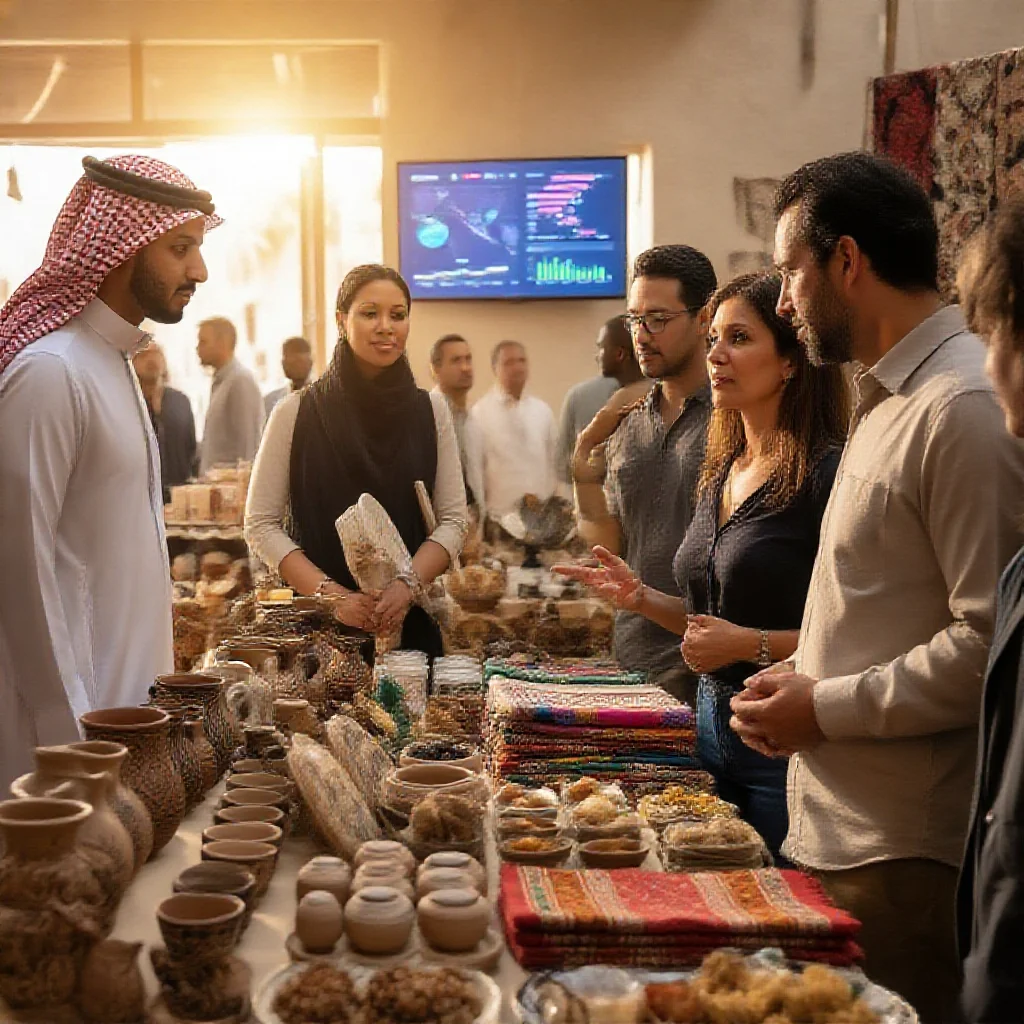
Beyond Charity: The Strategic Consumer Shift Supporting UAE Small Businesses in Economic Uncertainty
Introduction: From Economic Headwinds to Consumer-Led Stabilization
Economic uncertainty presents a distinct set of pressures for small and medium-sized enterprises (SMEs) in the United Arab Emirates. These pressures typically manifest as constrained access to capital, tightened cash flow, and intensified competition for consumer discretionary spending. A report published by the Dubai Chronicle on March 15, 2026, documented these prevailing challenges (Source 1: Dubai Chronicle, March 15, 2026). Concurrently, a measurable shift in consumer purchasing behavior has emerged. This shift is not adequately described as charitable sentiment. It constitutes a strategic economic intervention by consumers, functioning as a market-based stabilization mechanism. This analysis examines the underlying economic logic of this behavioral shift and its systemic impact on the UAE's foundational economic fabric.Deconstructing the 'Supportive Purchase': A Behavioral Economic Analysis
Strategic consumer support extends beyond generic "buy local" advocacy. It is defined by specific, high-commitment purchasing behaviors. These include subscription-based models for goods and services, which provide SMEs with predictable revenue streams; pre-ordering or crowdfunding new product lines, which de-risks innovation; and a demonstrated preference for purchasing service and expertise over standardized commodities. From a behavioral economic perspective, periods of perceived macroeconomic risk catalyze a re-evaluation of value. Consumers increasingly derive utility from authenticity, traceability, and community connection, attributes disproportionately offered by agile SMEs. The economic multiplier effect is quantifiable: currency spent within a local SME has a higher velocity, circulating through local payroll, local professional services, and local suppliers, compared to expenditure at a multinational chain where a significant portion of value is extracted from the domestic economy.The Hidden Logic: How Consumer Actions Fortify the Underlying Supply Chain
The strategic significance of this consumer shift lies in its capacity to fortify local supply chains. Consistent, targeted demand provides SMEs with a form of market-funded research and development. It enables rapid product iteration and allows businesses to discover and dominate viable niches without competing solely on price. This demand stability permits SMEs to make longer-term investments in local sourcing and partnerships. For instance, sustained consumer support for a local gourmet food producer creates a reliable revenue base. This base can be leveraged to contract with Emirati agricultural initiatives, source packaging from a regional design house, and utilize a local logistics startup. The result is the gradual development of a resilient, interconnected supply web, reducing import dependency and increasing systemic agility.The SME Counter-Strategy: Earning Support Through Agility and Authenticity
This consumer shift creates a reciprocal imperative for SMEs. To capitalize on this strategic support, businesses must align their operations with the values of the conscious consumer. This alignment involves operational restructuring towards lean inventory models, hyper-personalization of offerings, and enhanced supply chain transparency. Digital storytelling becomes a critical tool for justifying premium value propositions; openly communicating sourcing practices, artisan partnerships, and business ethics builds essential trust. These adaptations contrast with more rigid operational models that struggle during economic uncertainty. The most resilient SMEs are those that transform their inherent agility and authenticity into a verifiable competitive advantage, thereby validating the consumer's strategic choice.Beyond 2026: The Lasting Legacy of a Symbiotic Economic Model
The long-term impact of this symbiotic relationship between strategic consumers and agile SMEs extends beyond crisis mitigation. It fosters a more diversified and innovative economic ecosystem. As SMEs gain stability through loyal customer bases, their capacity for specialized innovation increases. This dynamic encourages the development of unique intellectual property and service models within the UAE. The predictable demand generated by strategic consumerism reduces the volatility that typically impedes small business growth and scaling. Consequently, today's purchasing decisions are actively shaping a more decentralized, resilient, and future-proof economic structure. The observed behavioral shift, therefore, represents a market-driven evolution towards an economy where resilience is embedded not only in fiscal policy but in the daily transactions between consumers and producers.Keywords

Ahmed Al-Farsi
Luxury & Lifestyle Editor with expertise in high-end hospitality and retail.