Beyond the Art: The Strategic Economic Vision Behind teamLab Abu Dhabi''s 2026 Opening
The announcement of teamLab Abu Dhabi, a digital art museum set to open on Saadiyat Island in 2026, is more than a cultural event; it's a calculated move in Abu Dhabi's long-term economic diversification and tourism strategy. Operated by teamLab and local developer Miral, with a tiered pricing model (120 AED adults, 60 AED children), the project signals a shift towards high-value, experience-driven tourism. This article analyzes the exhibition as a strategic asset, examining its role in boosting post-oil economy resilience, positioning Abu Dhabi as a global leisure hub, and creating a new benchmark for cultural-entertainment investments in the Middle East. We explore the underlying market patterns and the project's potential ripple effects on real estate, tech adoption, and regional competition.
Ahmed Al-Farsi
Editorial Analyst
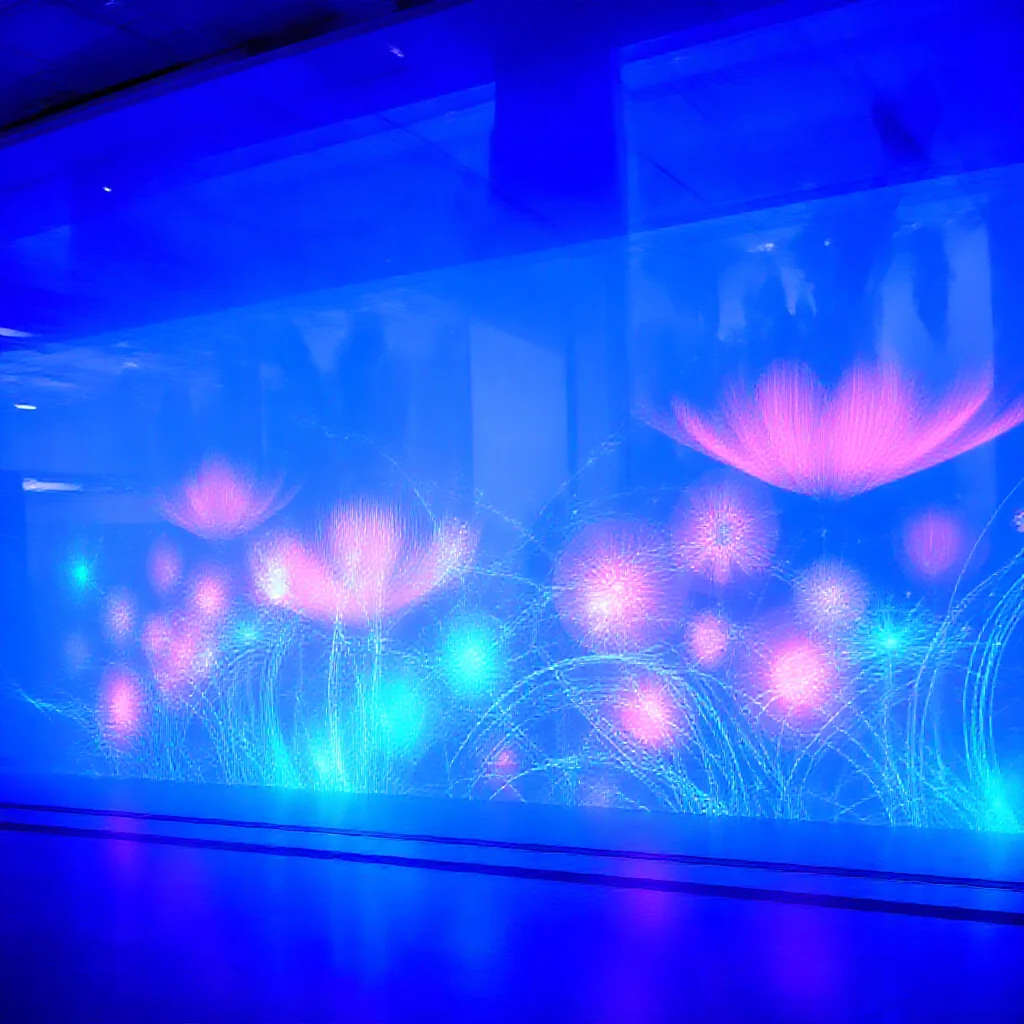
Beyond the Art: The Strategic Economic Vision Behind teamLab Abu Dhabi's 2026 Opening
An analysis of the digital art museum as a calculated instrument in economic diversification and tourism strategy.
---
Introduction: More Than Pixels and Light - Decoding Abu Dhabi's Cultural Investment
The announcement of teamLab Abu Dhabi, a permanent digital art museum scheduled to open on Saadiyat Island in 2026, presents itself as a cultural addition to the emirate's landscape. (Source 1: [Primary Data]) A deeper examination reveals the project's primary function as a strategic economic instrument within Abu Dhabi's long-term diversification blueprint. Saadiyat Island, already home to the Louvre Abu Dhabi and the forthcoming Guggenheim Abu Dhabi, serves as a cornerstone for this strategy, transforming cultural capital into economic and geopolitical leverage. The 2026 opening is not an arbitrary date but a timed market entry, designed to harness sustained momentum from mega-events like Expo 2020 Dubai and align with broader national vision goals aimed at reducing hydrocarbon dependency.
---
The Partnership Calculus: Why teamLab + Miral is a Strategic Masterstroke
The operational structure of the exhibition, a joint venture between international art collective teamLab and local developer Miral, is a critical component of its strategic design. This partnership model combines distinct competencies to mitigate risk and ensure operational longevity. teamLab contributes a globally recognized intellectual property and proven expertise in creating large-scale, immersive digital environments that drive high footfall in cities like Tokyo and Shanghai. Miral, as the master developer behind Abu Dhabi's integrated tourism destinations such as Yas Island, provides indispensable local market knowledge, regulatory navigation, and expertise in embedding attractions within larger ecosystem developments that include hospitality, retail, and entertainment. This synergy creates a model for reducing the execution risk typically associated with importing cultural concepts and ensures the project is optimized for both global appeal and local economic integration.
---
The Pricing Matrix: Targeting the High-Value Experience Economy
The announced ticket pricing structure—120 AED for adults and 60 AED for children aged 3-17, with free entry for children under three—is a deliberate market positioning tool. (Source 1: [Primary Data]) This tiered model places teamLab Abu Dhabi firmly within the premium segment of the experience economy. A comparative analysis with global benchmarks, such as teamLab Planets in Tokyo or the Louvre Abu Dhabi, validates its alignment with high-value cultural attractions. The pricing strategy explicitly targets affluent travelers and families, a demographic with higher per-capita spending on leisure and hospitality. Regional tourism reports consistently indicate that attracting this demographic is a primary objective for Gulf Cooperation Council nations seeking to enhance tourism yield. The provision for free entry for very young children functions as a strategic enabler, removing a barrier to visitation for a key family tourism segment and extending the potential length of stay within the broader destination.
---
2026: A Strategically Timed Launch in the Post-Oil Narrative
The selection of 2026 as the launch year is a function of strategic economic timing. It allows for a development cycle that incorporates lessons from the post-Expo 2020 period and aligns with subsequent phases of the UAE's national development agenda. The opening positions the museum as a successor attraction, designed to capture sustained international attention and tourist flow after the conclusion of time-bound mega-events. From a long-term fiscal perspective, the establishment of a permanent, world-class attraction like teamLab Abu Dhabi is engineered to create a recurring revenue stream, contrasting with the high-cost, temporary nature of expos. This contributes to economic stability by providing a predictable anchor within the tourism sector's revenue matrix, directly supporting the post-oil economic narrative.
---
Projected Ripple Effects: Real Estate, Tech Adoption, and Regional Competition
The strategic implications of teamLab Abu Dhabi extend beyond its ticket gates. The project is anticipated to generate significant ripple effects across adjacent sectors. On Saadiyat Island, it will act as a catalyst for further real estate valuation and commercial development, enhancing the appeal of residential and retail offerings within the cultural district. The technological demands of maintaining and refreshing such a digital exhibition will likely stimulate local tech sector growth, fostering partnerships and skill development in immersive technologies, projection systems, and interactive software. Furthermore, the project establishes a new benchmark for cultural-entertainment investments in the Middle East, intensifying regional competition. Neighboring markets will be compelled to respond with comparable or differentiated offerings, accelerating the entire region's shift towards experience-based tourism infrastructure.
---
Conclusion: A Benchmark in Strategic Cultural Economics
The teamLab Abu Dhabi project, when analyzed through an economic and strategic lens, transcends its identity as an art exhibition. It is a multifaceted asset designed to achieve specific, quantifiable objectives: capturing a higher-value tourism demographic, creating a permanent revenue-generating institution, and reinforcing Abu Dhabi's position as a global leisure and cultural hub. Its development partnership, pricing model, and launch timeline are each calibrated to support these ends. The project will serve as a measurable case study in the strategic deployment of cultural infrastructure as a tool for economic diversification, with its success metrics likely to be visitor origin diversity, spend per head, and its contribution to the non-oil GDP. Its opening in 2026 will represent not just a new destination for visitors, but a definitive step in the operationalization of a long-term economic vision.
Keywords

Ahmed Al-Farsi
Luxury & Lifestyle Editor with expertise in high-end hospitality and retail.