Beyond Beds: How King Faisal University''s New Hospital Signals a Strategic Shift in Saudi Healthcare & Education
The launch of the prequalification process for King Faisal University's new hospital in Al-Ahsa is more than a construction tender. This analysis reveals the project as a strategic node in Saudi Arabia's Vision 2030, integrating a 300-bed hospital with a medical hotel, dual colleges, and research facilities. We examine the underlying economic logic of creating a self-sustaining 'healthcare-education-innovation ecosystem, its role in decentralizing medical services from major cities, and the long-term implications for the regional supply chain and talent pipeline. This move positions the university not just as an educator, but as a direct driver of economic diversification and healthcare sovereignty.
Fatima Al-Zahra
Editorial Analyst
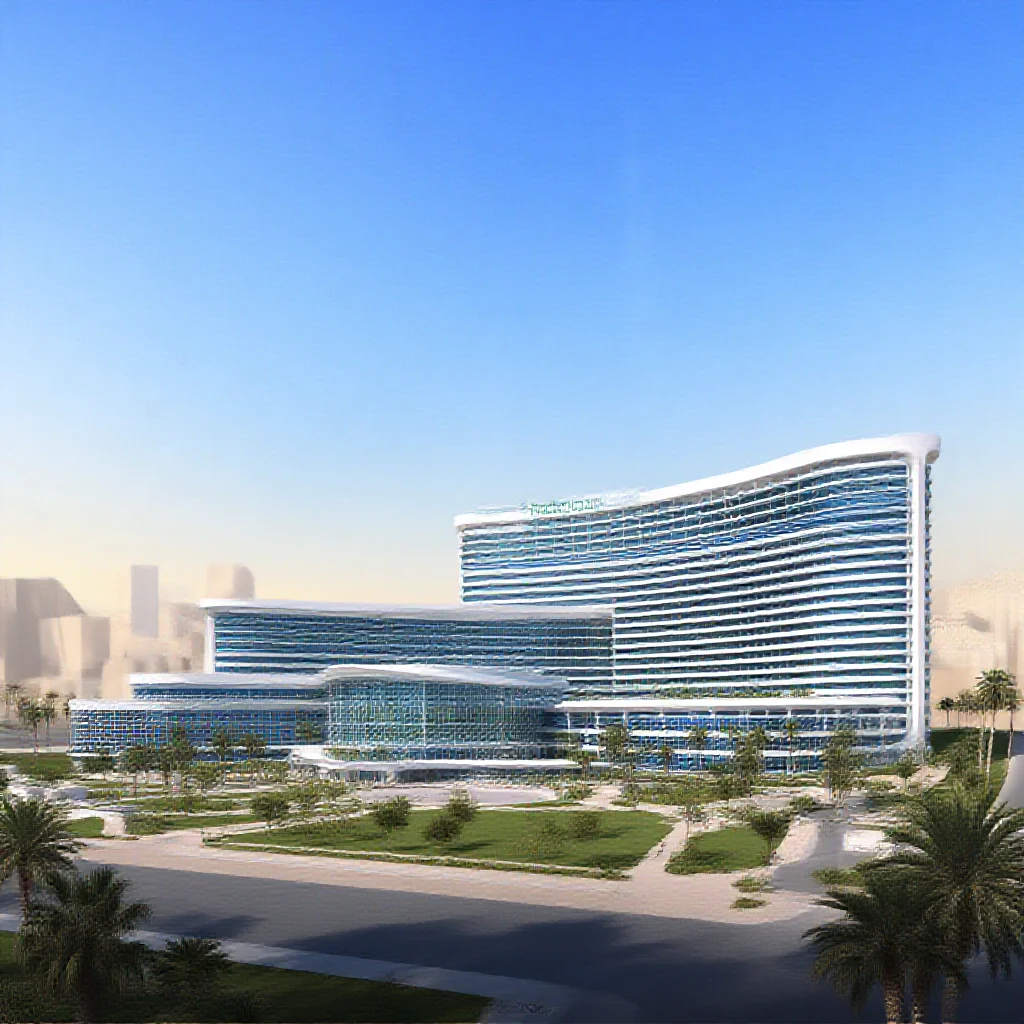
Beyond Beds: How King Faisal University's New Hospital Signals a Strategic Shift in Saudi Healthcare & Education
Introduction: Decoding the Prequalification Announcement
The commencement of the prequalification process for a new hospital at King Faisal University (KFU) in Al-Ahsa constitutes a standard procedural step in project development (Source 1: [Primary Data]). The surface-level announcement, however, belies the project's strategic scale. The initiative is not a standalone medical facility but the core of a planned academic medical city. This project functions as a tangible microcosm of Saudi Arabia's broader strategic pivot under Vision 2030, integrating healthcare infrastructure expansion, advanced education investment, and economic diversification objectives into a single, self-reinforcing ecosystem.
The Integrated Blueprint: More Than a Hospital
The project's scope extends far beyond acute care. Its components include a 300-bed hospital, a 100-bed medical hotel, dedicated colleges for medicine and nursing, a medical research centre, a conference centre, and a mosque (Source 1: [Primary Data]). This configuration reveals a deliberate architectural and economic logic aimed at creating a closed-loop system. The hospital provides immediate clinical service and a live training environment. The embedded colleges produce a continuous pipeline of professionals trained within that environment. The research centre drives innovation, potentially improving clinical protocols and attracting commercial partnerships. The medical hotel supports convalescence and medical tourism, while the conference centre facilitates professional knowledge exchange.
This integrated model aligns directly with the structural objectives outlined in Saudi Arabia's Health Sector Transformation Program, a cornerstone of Vision 2030, which emphasizes the development of specialized health clusters and the strengthening of linkages between service delivery, education, and innovation.
Strategic Imperatives: Why Al-Ahsa and Why Now?
The location and timing of the project are non-arbitrary. Geographically, it advances the Vision 2030 imperative of balanced regional development. By establishing a major academic medical centre in Al-Ahsa within the Eastern Province, the project decentralizes advanced healthcare provision, reducing systemic reliance on major hubs like Riyadh and Dammam and improving population access.
From a human capital perspective, the project directly addresses a critical national shortage of Saudi healthcare professionals. By embedding medical and nursing education within a high-volume clinical setting, KFU accelerates the development of a skilled domestic talent pipeline, enhancing long-term healthcare sovereignty.
Economically, the project is an instrument of diversification. It generates immediate demand for local construction and related services. Upon completion, it will create a permanent base of high-skilled jobs, not only in clinical roles but also in research, administration, and hospitality. It positions Al-Ahsa as a potential destination for specialized medical care and professional conferences, stimulating ancillary local businesses.
Deep Audit: Long-Term Impact on Supply Chains and Ecosystem
The long-term implications extend beyond the immediate construction phase and operational job creation. The establishment of a major teaching hospital and research centre will alter regional supply chains. It will create sustained, predictable demand for advanced medical equipment, pharmaceuticals, and specialized consumables, potentially encouraging distributors and service providers to establish a local presence in the Eastern Province.
Furthermore, the ecosystem fosters commercial spin-offs. The research centre’s output, particularly if focused on regionally prevalent health issues, will attract funding and partnership opportunities from both public entities like the National Institute of Health and private pharmaceutical and med-tech firms. The conference centre will institutionalize Al-Ahsa as a node for medical knowledge exchange, creating a recurring economic activity separate from direct patient care.
The project also redefines the role of the university itself. King Faisal University transitions from a purely educational institution to a direct economic actor and regional development driver. Its success will be measured not only in graduate outcomes but also in healthcare metrics, research output, and its contribution to regional GDP.
Conclusion: Neutral Market and Industry Predictions
The prequalification process for the King Faisal University hospital project is the first material step in activating this complex model. Market analysis indicates that qualified contractors and consortiums with experience in integrated healthcare-education builds will be primary contenders. The project's scale and complexity suggest a high probability of partnership structures, potentially involving international firms with specialized expertise.
Industry trends predict that upon successful completion, this model will be replicated and refined in other regional university cities across Saudi Arabia, as it efficiently addresses multiple Vision 2030 KPIs simultaneously. The project’s ultimate metric of success will be its ability to achieve operational synergy—where the clinical, educational, and research components demonstrably enhance one another’s output, creating a sum greater than its individual parts. This will establish a new benchmark for healthcare infrastructure planning in the Kingdom, moving decisively beyond the paradigm of beds-and-buildings to one of integrated socio-economic development.
Keywords

Fatima Al-Zahra
Real Estate Editor specializing in Dubai and Riyadh mega-projects.