Beyond the Deadline: How Saudi Arabia''s Landbridge Railway Extension Signals Strategic Supply Chain Realignment
Saudi Arabia Railways' (SAR) six-week extension of the bid deadline for the Riyadh-Al Kharj section of the Saudi Landbridge project is more than a procedural delay. This analysis uncovers the strategic calculus behind the move, examining its implications for the Kingdom's Vision 2030 logistics ambitions. The Landbridge, a 1,150-kilometer artery connecting the Red Sea to the Gulf, aims to bypass the Strait of Hormuz and reshape regional trade flows. The extension suggests a meticulous vendor selection process for a contract critical to national infrastructure, potentially reflecting market feedback, financing complexities, or a desire for more competitive bids in a high-stakes project designed to cement Saudi Arabia's position as a global logistics hub.
Fatima Al-Zahra
Editorial Analyst
Beyond the Deadline: How Saudi Arabia's Landbridge Railway Extension Signals Strategic Supply Chain Realignment
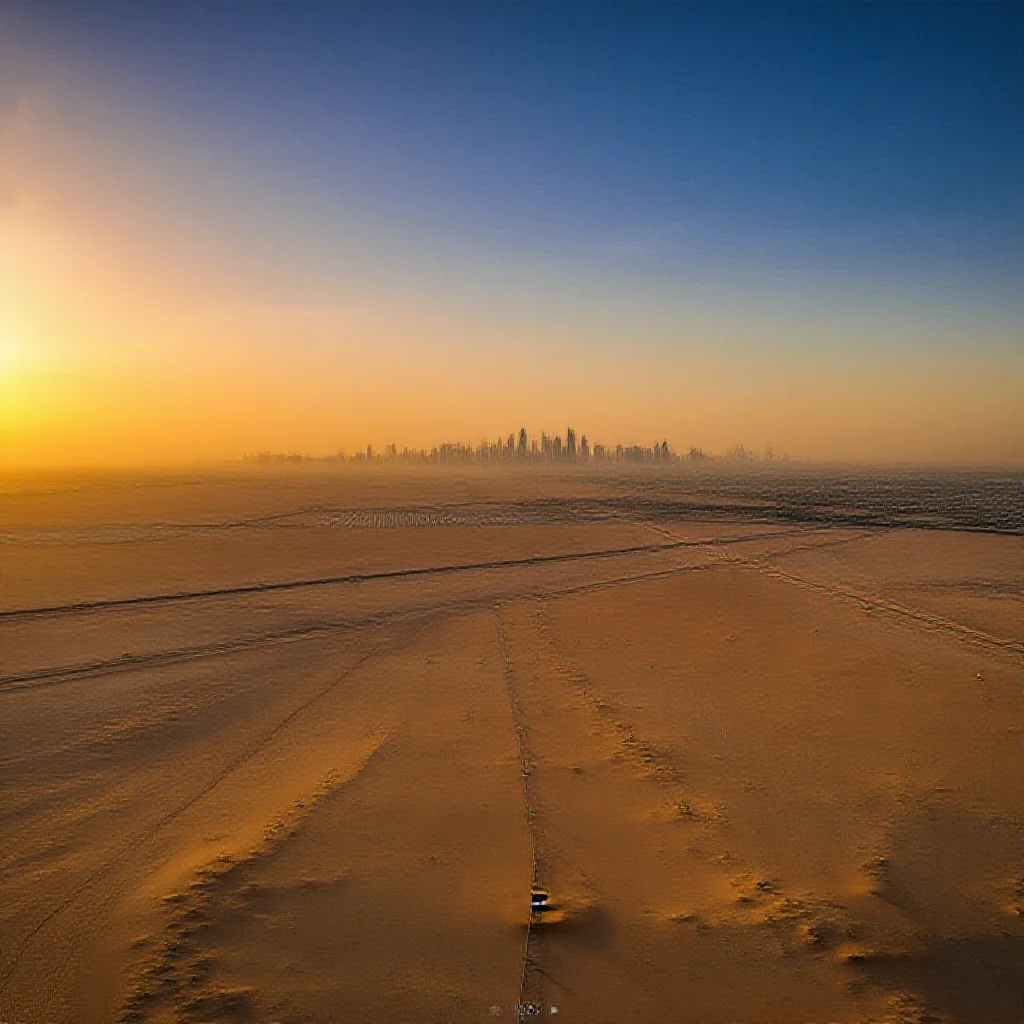
Image: A conceptual representation of the scale of development envisioned for Saudi infrastructure projects.
The Surface Delay: Unpacking the Bid Extension for Package 2
Saudi Arabia Railways (SAR) has extended the bid submission deadline for a critical construction contract by six weeks, shifting the date from April 30 to June 4, 2024 (Source 1: [Primary Data Timeline]). The contract in question is for the design and build of Package 2 of the Saudi Landbridge project, specifically covering the railway line between the capital, Riyadh, and Al Kharj (Source 1: [Primary Data Facts]). This segment is a foundational segment of the broader, 1,150-kilometer Landbridge masterplan, a mega-project designed to create a direct rail freight corridor linking Jeddah Islamic Port on the Red Sea with King Abdulaziz Port in Dammam on the Arabian Gulf (Source 1: [Primary Data Facts]).
Image: The strategic route of the Saudi Landbridge project.
The Strategic Depth: Landbridge as a Geopolitical and Economic Artery
The Saudi Landbridge project transcends conventional infrastructure development. Its core function is an exercise in supply chain sovereignty, engineered to provide a domestic terrestrial alternative to the maritime chokepoint of the Strait of Hormuz. By enabling the efficient transfer of containers between the Red Sea and the Gulf via rail across the Arabian Peninsula, the project aims to significantly reduce transit time, cost, and geopolitical risk for freight movement.
This infrastructure ambition is a direct operational component of Saudi Arabia's Vision 2030 economic diversification agenda. The Landbridge is designed to increase the capacity and efficiency of the Kingdom's logistics network, a sector targeted for a substantially increased contribution to national GDP. The project's success is intrinsically linked to goals of boosting non-oil exports by enhancing the connectivity and competitiveness of Saudi ports, transforming the nation into a global logistics hub.
Decoding the Extension: Market Signals and Procurement Strategy
A procedural deadline extension for a project of this magnitude is rarely a simple administrative adjustment. It functions as a diagnostic event, revealing underlying conditions in the market and the procuring entity's strategic priorities. The six-week postponement suggests a meticulous, quality-focused vendor selection process is underway for a contract deemed critical to national infrastructure.
The extension likely reflects one or several complex, interlinked factors. These may include challenges in finalizing financing models, whether public-private partnership (PPP) or direct award, requiring further negotiation and clarity for bidders. It may also indicate that potential contractors are conducting extensive risk assessments for a complex, multi-year design-and-build contract, or that SAR is insisting on more detailed technical and financial proposals to ensure long-term project viability. The move aligns with a pattern observed in other GCC mega-projects, where timelines are adjusted to secure optimal bid quality and value rather than adhere to an arbitrary schedule.
The Ripple Effect: Implications for Contractors, Corridors, and Competitiveness
The deliberate pace signaled by the bid extension carries significant downstream implications. A more rigorous selection process increases the probability of awarding the contract to a consortium with superior technical capability, potentially accelerating the adoption of advanced construction technologies, digital twin integration, and predictive maintenance systems into the railway's lifecycle from its inception.
Furthermore, the Riyadh-Al Kharj segment is not an isolated spur. Its development is a crucial node for future integration with the broader GCC railway network. A well-executed Package 2 sets a technical and operational standard, enhancing the corridor's attractiveness for connecting freight from neighboring states. For international contractors, the extension recalibrates the competitive landscape, favoring consortia with robust balance sheets, proven experience in desert rail construction, and the ability to structure innovative financing solutions.
Neutral Market and Industry Predictions
The extended bid window for the Saudi Landbridge's Package 2 is forecasted to result in a more consolidated and financially committed pool of bidders. Market analysis suggests the eventual award will likely go to a joint venture combining international engineering expertise with strong local execution partners. The project's progression will continue to be measured, with a high probability of further structured adjustments to timelines as technical, financial, and regulatory complexities are navigated.
Successful completion of this segment will serve as a key performance indicator for the feasibility of the full Landbridge vision. It will directly influence investor and stakeholder confidence in Saudi Arabia's capacity to deliver transformative logistics infrastructure, with observable effects on regional supply chain strategies and port competitiveness dynamics between the Red Sea and the Arabian Gulf within the next decade.
Keywords

Fatima Al-Zahra
Real Estate Editor specializing in Dubai and Riyadh mega-projects.