Beyond the Appointment: The Strategic Significance of Consultant Selection in Dubai''s Mixed-Use Development Boom
The appointment of a consultant for a new mixed-use project in Dubai is not a routine administrative step, but a critical strategic signal. This analysis moves beyond the basic announcement to explore the hidden market logic: in a hyper-competitive landscape, the choice of consultant reveals developer priorities—be it sustainability, digital integration, or post-pandemic urban design. We examine how this single decision acts as a bellwether for broader trends in Dubai''s real estate, indicating a shift from pure construction to value-driven, future-proofed development. The article investigates the long-term implications for supply chains, investor confidence, and the emirate''s vision to become a model for 21st-century urban living.
Fatima Al-Zahra
Editorial Analyst
Beyond the Appointment: The Strategic Significance of Consultant Selection in Dubai's Mixed-Use Development Boom
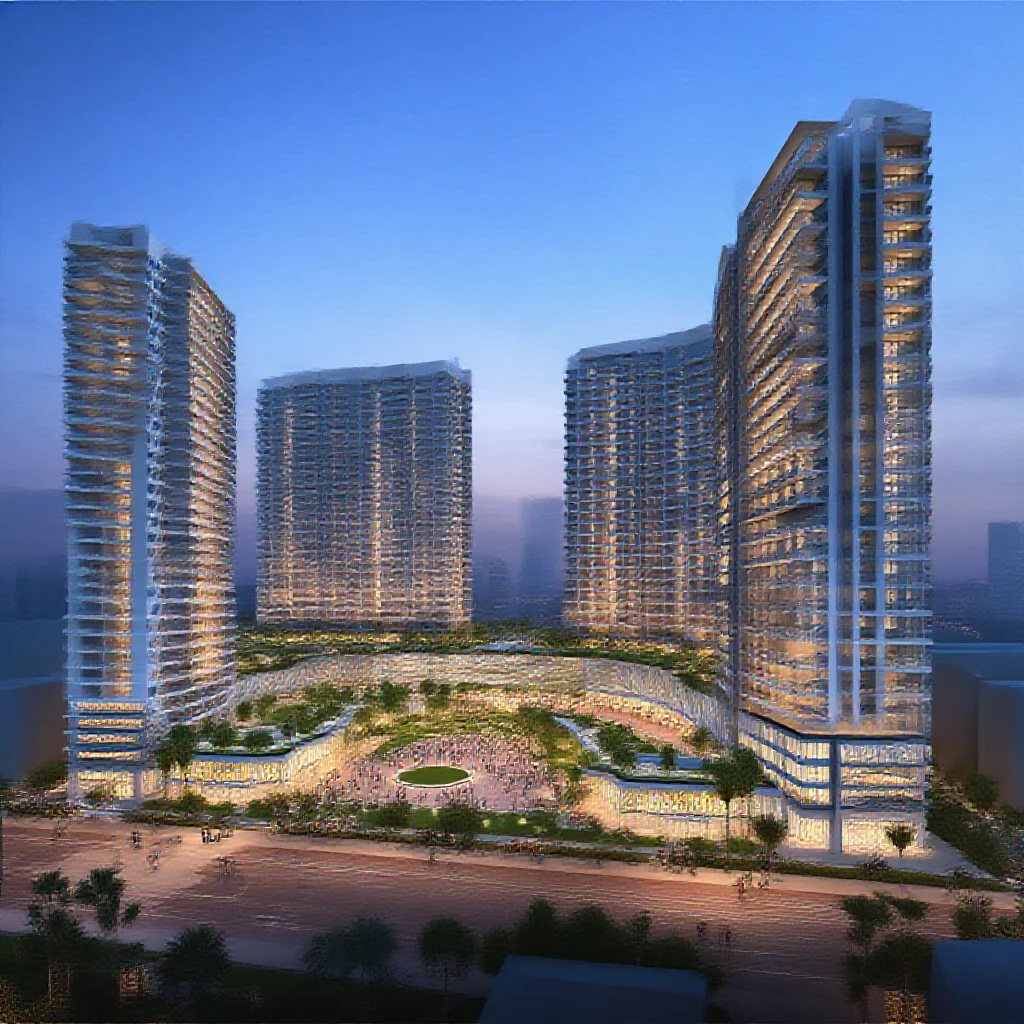
An aerial skyline view of Dubai Marina, showcasing the density of integrated urban zones. (Image: Getty Images/iStockPhoto)
Introduction: The Unseen Weight of a Consultant Appointment
The announcement of a consultant appointment for a new mixed-use development in Dubai constitutes a standard piece of industry news. Within the context of the emirate’s sustained mega-project pipeline, such updates are frequent. However, a purely administrative reading of this event overlooks its substantive strategic function. The selection of a specific consultancy firm acts as a critical pivot point, transforming a project from a concept into a vessel for specific market ambitions. This decision serves as a microcosm of broader market maturation, signaling a definitive shift from an era defined by construction volume to one governed by value creation and future-proofing. The consultant’s mandate, by extension, becomes a primary determinant of the project’s ultimate contribution to Dubai’s urban fabric and investment landscape.
Decoding the Decision: What a Consultant Choice Reveals About Developer Strategy
The strategic intent behind a development is often encrypted within the specialized expertise of the appointed consultant. In a market as competitive as Dubai’s, where differentiation is paramount, the consultant’s profile decodes unstated project goals. A firm with a recognized portfolio in LEED Platinum or WELL Certification projects signals a developer’s commitment to sustainability and occupant wellness, directly targeting a growing segment of environmentally conscious investors and end-users (Source 1: [JLL, "Real Estate Market Overview - Dubai Q4 2023"]). Conversely, the selection of a consultant renowned for integrating PropTech, IoT infrastructure, and smart city solutions indicates a priority on digital integration and operational efficiency, aligning with Dubai’s broader economic vision.
This analytical process employs a form of strategic audit. By examining the consultant’s historical specializations—be it in luxury retail curation, experiential hospitality, or post-pandemic public space design—one can infer the developer’s intended market positioning. This choice is a direct response to identified market gaps or trends. For instance, current sector analysis emphasizes demand for integrated communities that blend residential, leisure, and flexible office spaces, moving beyond monolithic towers (Source 2: [Knight Frank, "Dubai Prime Residential Market Report, 2024"]). The consultant is the agent tasked with translating this demand into a viable, branded physical product.
The Ripple Effect: Long-Term Impact on Supply Chains and Ecosystem Partners
The strategic appointment of a consultant initiates a cascade of specifications that redefine the project’s entire economic ecosystem. The consultant’s design philosophies and technical standards function as a filter, determining which material suppliers, technology vendors, and subcontractors are qualified to participate. This creates a tiered, specialized supply chain.
A mandate for high-performance building envelopes, for example, will catalyze demand for specific smart glass, advanced insulation, and low-carbon concrete suppliers, potentially reshaping local manufacturing and import logistics. Similarly, a focus on biophilic design or advanced water recycling systems creates niches for specialized horticultural and engineering firms. The economic logic here is hidden but powerful: the consultant’s vision legitimizes and creates markets for premium, often innovative, inputs. This moves the local construction ecosystem away from commoditized materials and toward value-added, knowledge-intensive components, with long-term implications for the emirate’s import dependency and technical skill base.
Dubai's Urban Vision: How Mixed-Use Consultants Shape the Future City
Individual project decisions aggregate to form the city’s character. The appointment of consultants for Dubai’s mixed-use projects is increasingly a mechanism for implementing the strategic objectives outlined in the Dubai 2040 Urban Master Plan, which prioritizes enhanced quality of life, integrated communities, and sustainable resource use. Consultants are now instrumental in solving complex, post-pandemic urban challenges.
Their remit extends beyond facade and floor plans to encompass the design of hyper-functional public spaces, health-optimized ventilation strategies, and infrastructure that supports hybrid work-life integration. The choice of a consultant with expertise in these areas demonstrates a developer’s alignment with the emirate’s vision to become a model for 21st-century urban living. Each project becomes a test case for innovations in mobility, community engagement, and environmental resilience, with the consultant serving as both translator and innovator of these high-level policy goals into built form.
Conclusion: A Bellwether for Market Evolution and Investor Sentiment
The appointment of a project consultant in Dubai’s real estate sector is a leading indicator. It provides an early, tangible signal of a developer’s confidence, thematic focus, and risk appetite. For market observers and institutional investors, these announcements offer a data point for assessing the trajectory of the supply pipeline—not just in terms of square footage, but in terms of qualitative evolution.
The trend toward appointing specialists in sustainability, technology, and experiential placemaking indicates a market that is rationalizing and segmenting. It predicts a future supply characterized by higher specifications, which in turn supports asset valuation and rental premiums in a crowded market. Ultimately, the strategic significance of consultant selection lies in its function as a commitment device. It binds the developer to a specific path of value creation, one that will be scrutinized through construction, delivery, and operation, with lasting implications for Dubai’s urban legacy and its appeal to a global pool of capital.
Keywords

Fatima Al-Zahra
Real Estate Editor specializing in Dubai and Riyadh mega-projects.