Beyond Bricks: The Strategic Significance of Turkey''s Emlak Konut Entering the Saudi Holy City Real Estate Market
The launch of the 'Makkah Villas' project by Turkish giant Emlak Konut GYO in partnership with Saudi Arabia's Al Rajhi International is more than a simple real estate development. This analysis delves into the strategic implications of a major Turkish state-backed entity entering the high-stakes, proximity-sensitive real estate market surrounding Islam's holiest site. We examine the project as a case study in deepening Turkey-Saudi economic diplomacy, the evolving investment patterns in sacred urban economies, and the calculated risk of a foreign developer navigating the unique regulatory and cultural landscape of Mecca. The move signals a new phase in Gulf-Turkey relations and reflects shifting dynamics in the construction sector's pursuit of resilient, high-value markets.
Fatima Al-Zahra
Editorial Analyst
Beyond Bricks: The Strategic Significance of Turkey's Emlak Konut Entering the Saudi Holy City Real Estate Market
Introduction: A Villa Project as a Geopolitical Signal
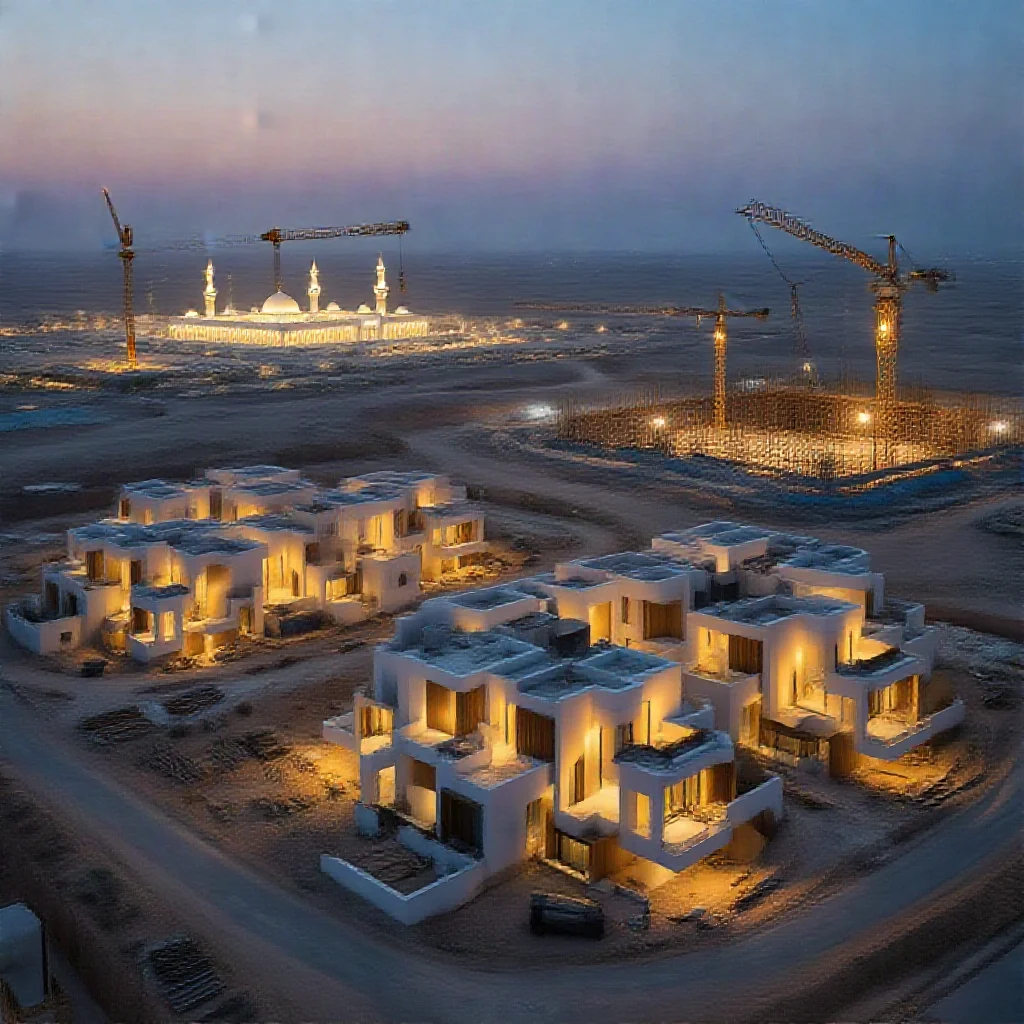
On February 19, 2024, Turkish real estate investment trust Emlak Konut GYO announced the launch of the "Makkah Villas" project in Mecca, Saudi Arabia (Source 1: [Primary Data]). The development, comprising 202 residential villas in the Al-Sharai district near the Grand Mosque, is being executed in partnership with Saudi Arabia's Al Rajhi International for Development. This venture represents more than a standard international construction contract. It constitutes a strategic entry by a major Turkish state-backed entity into one of the world's most exclusive, proximity-sensitive, and symbolically significant real estate markets. The project serves as a tangible marker of deepening Turkey-Saudi Arabia economic diplomacy and a calculated diversification play by a Turkish construction giant into a resilient, high-value asset class.
The Players: Decoding the Emlak Konut - Al Rajhi Alliance
The significance of the "Makkah Villas" project is amplified by the profile of the lead developer. Emlak Konut GYO is not a conventional private construction firm but a powerhouse real estate investment trust majority-owned by Turkey's state housing development agency, TOKİ. This state linkage frames the project as an extension of economic statecraft, aligning with broader bilateral efforts to normalize and enhance trade relations between Ankara and Riyadh. The choice of local partner is equally strategic. Al Rajhi International for Development provides indispensable local market knowledge, regulatory navigation, and socio-cultural legitimacy within the highly sensitive and regulated environment of Mecca. The partnership structure establishes a model for risk-sharing and local compliance, mitigating the inherent challenges for a foreign developer in this unique market. The alliance leverages Emlak Konut's large-scale project delivery expertise with Al Rajhi's entrenched regional presence.
The Sacred Premium: Economics of Proximity in Mecca
The "Makkah Villas" project's location in the Al-Sharai district defines its fundamental economic logic. The value of real estate in Mecca is governed primarily by religious geography rather than conventional urban planning metrics. Proximity to the Grand Mosque (Al-Masjid al-Haram) creates a premium asset class with perennial demand drivers linked to the Hajj and Umrah pilgrimages. This market caters to a global Muslim elite and investment funds seeking tangible assets within this sacred economy. The project marks a distinct pivot for Turkish overseas construction, which has historically focused on infrastructure and housing projects in regions like Africa and the Commonwealth of Independent States. Entering the Mecca market represents a foray into a premium, sentiment-driven sector characterized by inelastic demand and high value per square meter, contrasting with the volume-driven models prevalent in other export markets.
Navigating Complexity: Regulatory and Executional Calculus
Developing property in Mecca presents a unique set of non-financial risks. The regulatory landscape is complex, shaped by both Saudi national vision goals and the custodianship responsibilities associated with Islam's holiest city. Architectural designs, construction standards, and project timelines are subject to stringent oversight to preserve the sanctity of the area and manage the immense logistical pressures of annual pilgrimages. For Emlak Konut GYO, success in this environment requires meticulous adherence to local norms and regulations, a task for which the partnership with Al Rajhi is critical. The project is a calculated test of the firm's ability to operate within a tightly controlled ecosystem where cultural sensitivity is as crucial as engineering proficiency. The 202-villa scale suggests an initial, contained investment to establish a operational track record before potential expansion.
Conclusion: A Barometer for Shifting Economic Currents
The launch of "Makkah Villas" is a multifaceted indicator of evolving dynamics. At a bilateral level, it reflects the substantive progress in Turkey-Saudi economic reconciliation, moving beyond diplomatic rhetoric into complex, long-term co-investment. For the Turkish construction sector, it signals a strategic search for resilient, high-margin markets that can offset domestic economic volatility and competition in traditional export regions. The project's performance will be closely monitored as a case study in the feasibility of foreign-led development within Mecca's sacred urban economy. Market analysis suggests that successful delivery could pave the way for further Turkish and other international investments in similar premium segments of the Saudi real estate market, particularly those aligned with the Kingdom's Vision 2030 objectives for urban development and increased pilgrimage capacity. The ultimate significance lies not in the 202 villas themselves, but in the strategic doorway they open.
Keywords

Fatima Al-Zahra
Real Estate Editor specializing in Dubai and Riyadh mega-projects.