DeepMind''s Strategic Pivot: From Proprietary Robotics to an Open Platform and What It Means for AI
DeepMind's recent announcement marks a significant strategic shift in robotics AI, moving from a closed, proprietary development model to an open, platform-based approach. By releasing the massive Open X-Embodiment dataset and RT-X models, the Google-owned lab is not just sharing tools—it's attempting to reshape the entire research ecosystem. This analysis explores the hidden economic logic behind this move, examining how it positions DeepMind as a standard-setter rather than just a competitor, accelerates the field to solve foundational problems it can later commercialize, and reflects a broader industry trend where controlling the platform and data pipeline is becoming more valuable than controlling a single robot. We delve into the long-term implications for startups, academic labs, and the future supply chain of robotic intelligence.
Layla Ibrahim
Editorial Analyst
DeepMind's Strategic Pivot: From Proprietary Robotics to an Open Platform and What It Means for AI
Introduction: The Quiet Revolution in DeepMind's Robotics Lab
DeepMind has historically pursued a high-stakes, proprietary research model. Its landmark achievements, such as AlphaGo and AlphaFold, were developed in controlled environments with the goal of solving discrete, monumental challenges. The laboratory's approach was characterized by concentrated resource deployment toward singular breakthroughs. A strategic shift is now underway within DeepMind's robotics division. The company is expanding its robotics team while fundamentally altering its strategy from building proprietary robotic systems to constructing a foundational platform for general-purpose robotics AI (Source 1: [Primary Data]). This pivot is operationalized through the release of key resources to the public. The core thesis is that this move transcends conventional open-sourcing; it is a calculated strategic play to control the future architectural standards of embodied AI.
Decoding the Platform Play: The Hidden Economic Logic
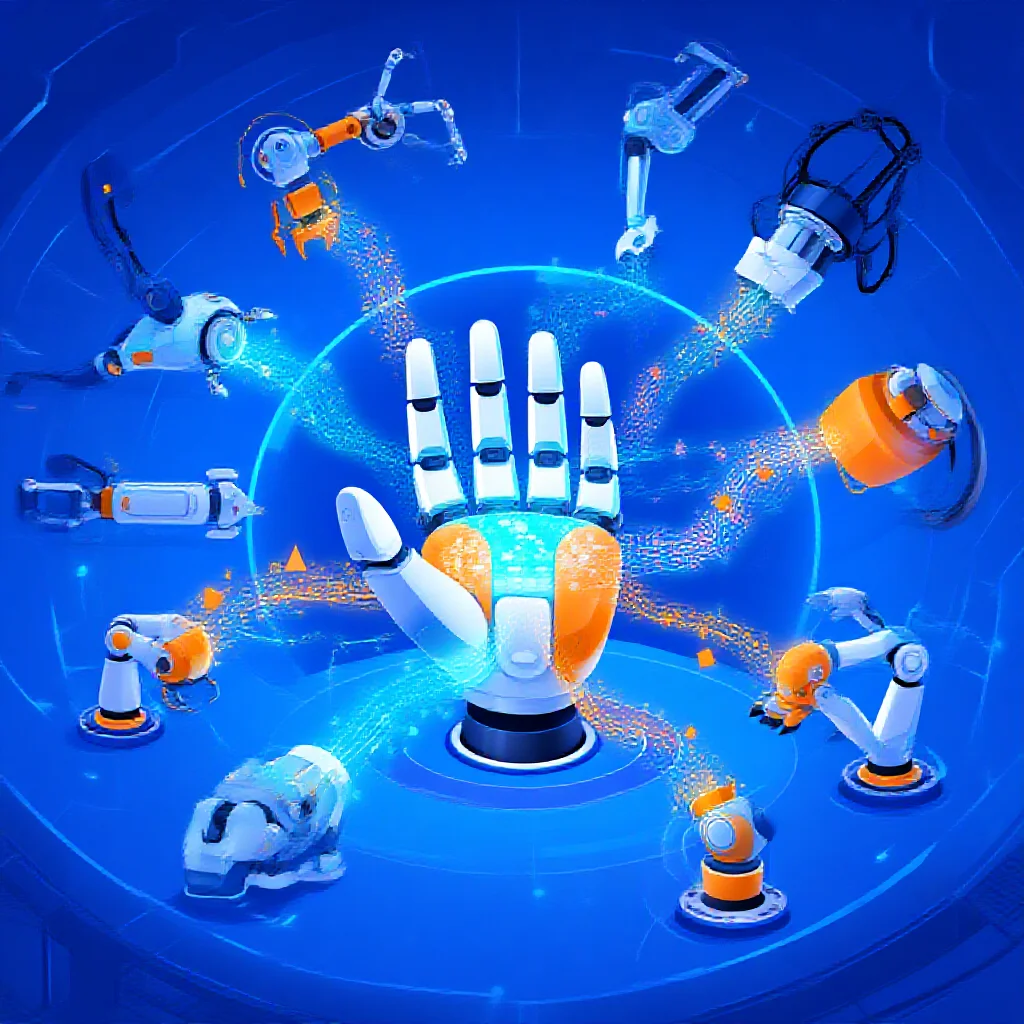
The release of the Open X-Embodiment dataset and RT-X models represents a significant departure from guarding proprietary technology. The economic logic underpinning this shift moves from capturing value through a specific product to capturing value by establishing and governing an ecosystem. By releasing the Open X-Embodiment dataset—a massive aggregation of robotic experience from 22 different robot types—and the accompanying RT-X reference models, DeepMind is not merely sharing tools (Source 1: [Primary Data]). It is attempting to position its framework as the default standard for robotics AI research and development.
This strategy mirrors the "Android Model" applied to robotics. The goal is to establish the foundational dataset and reference architecture upon which the broader community builds. The strategic benefit is twofold. First, it accelerates external research and development by solving a critical, field-wide problem: data scarcity for robotic training. Second, it allows DeepMind to outsource the exploration of niche applications and long-tail use cases. The company's internal resources can then be focused on solving the next layer of foundational problems, which it can later commercialize from a position of ecosystem dominance.
Beyond Generosity: Strategic Implications and Industry Ripples
The long-term commercial endgame for DeepMind and its parent company, Alphabet, is not philanthropic. A robust, widely adopted platform for general-purpose robot intelligence creates a larger, more standardized market for downstream applications, services, and specialized hardware. DeepMind can monetize this market through advanced cloud AI services, proprietary extensions to the open models, or integration with other Google ecosystem products.
This platform shift will have profound implications for the robotics industry supply chain. If successful, it will commoditize basic robotic "reasoning" or low-level skill acquisition. Economic value will consequently shift toward other segments: unique hardware design and actuation, the collection of specialized, high-value datasets for specific verticals (e.g., surgical procedures, complex manufacturing), and the development of vertical-specific application software. This reconfiguration defines the new competitive landscape for startups and incumbent robotics firms.
Historical verification of this strategy pattern exists across technology sectors. IBM's decision to open the architecture of the PC commoditized hardware but solidified its platform's dominance. Google's open-sourcing of the Android operating system did not diminish its value; it established a standard that allowed Google to control key services and data flows. DeepMind's robotics pivot follows this established pattern of competing for ecosystem control rather than product supremacy.
Conclusion: The New Landscape of Embodied Intelligence
DeepMind's strategic recalibration from a proprietary to a platform-based model in robotics AI signals a maturation in the field's commercial and research dynamics. The release of the Open X-Embodiment dataset and RT-X models is a tactical move to address a fundamental bottleneck while simultaneously positioning the company as a de facto standards body. The immediate effect is the acceleration of global research. The long-term effect is the potential restructuring of the embodied AI value chain, with DeepMind aiming to control the foundational layer upon which future robotic intelligence is built. The success of this strategy will be measured by the rate of community adoption and the subsequent commercial opportunities that arise from a more standardized, platform-driven market for robotic intelligence.
Keywords

Layla Ibrahim
Technology Reporter covering fintech, AI, and startup ecosystems in the Gulf.