Energy & Resources
In-depth analysis and breaking intelligence on energy & resources markets across the GCC.

Ensuring Data Quality in Energy Market Analysis: Overcoming Political Content Filtering Challenges
When raw data is flagged for political content, information architects must pivot to maintain analytical rigor. This article explores how energy and resource analysts can design robust data pipelines that detect, isolate, and mitigate politically sensitive inputs without losing critical market signals. We outline strategies for re-verifying source integrity, applying context-aware filtering, and leveraging alternative datasets to preserve trend accuracy. The piece also examines long-term implications for supply chain transparency and regulatory compliance in global energy markets.
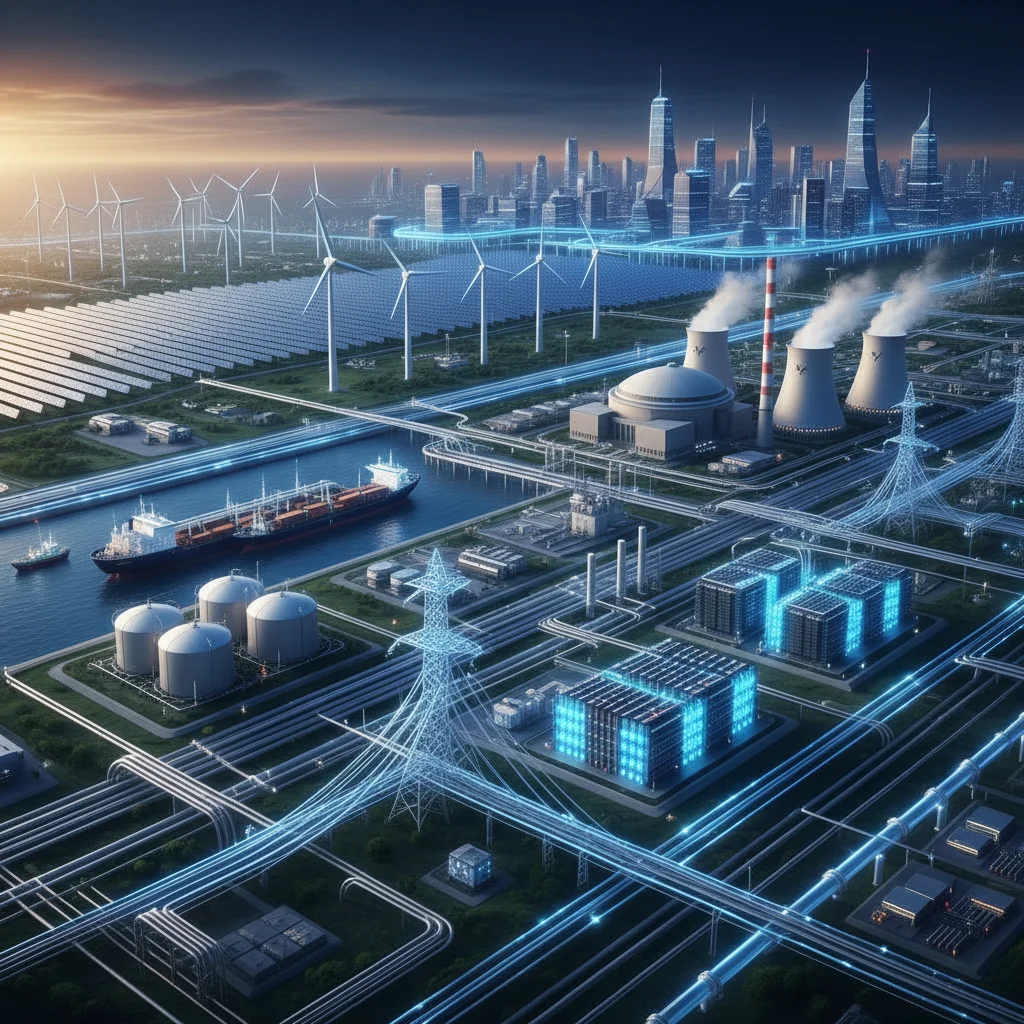
Top 6 Energy Sector Trends Shaping 2026: Demand Growth, Policy Shifts, and the New Resilience Imperative
This article examines six forces reshaping the energy sector in 2026 across oil and gas, power and utilities, and clean energy. The central theme is not just rising demand, but a structural rebalancing of the energy system driven by data centers, reshoring, electrification, and EV adoption. It also explores how an all-of-the-above mix, grid modernization, LNG, and policy changes such as the One Big Beautiful Bill Act are altering investment priorities. The article will emphasize why resiliency has become a core business strategy and why natural gas remains a backbone fuel even as clean energy continues to expand at a slower pace.

Project New Frontier and the Bamaga Basin: Gulf Energy’s Giant Gas Play in a Tightening Australian Market
Project New Frontier is Gulf Energy Pty Ltd’s major upstream gas opportunity in the Bamaga Basin, Far North Queensland, anchored by exploration permit Q/23P. The permit spans 7,000 square kilometres of shallow water about 150 kilometres offshore and is said to contain 13.2 Tcf of recoverable gas in the Base Case and up to 36 Tcf in the High Case. The Lion Prospect alone is estimated at 3.8–10.3 Tcf. This article should not only describe the resource estimate, but also examine the market logic behind it: Australia’s projected gas shortfalls from 2028 and structural deficits from 2029, the strategic value of remote offshore supply, and the permitting and drilling bottlenecks that determine whether the project can move from resource narrative to commercial reality.
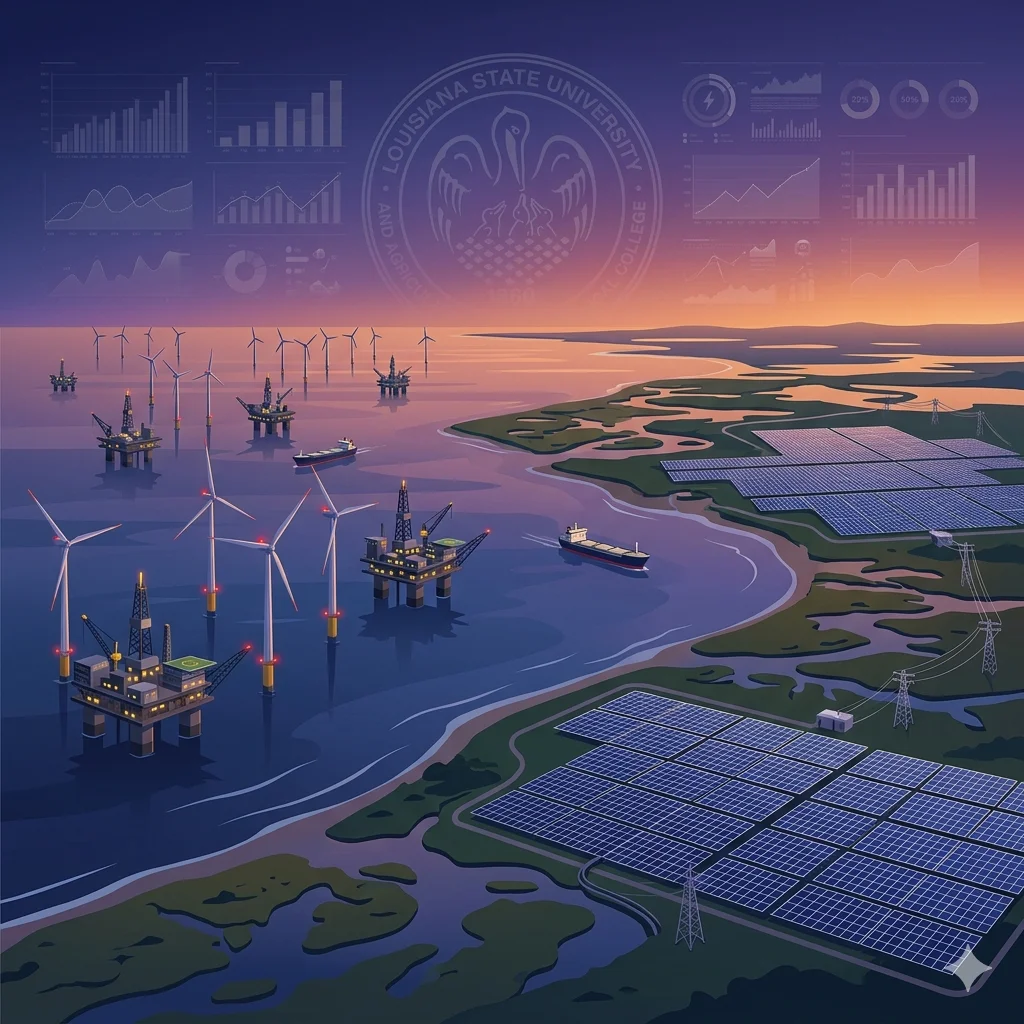
Gulf Coast Energy Outlook 2025: Navigating the Crossroads of Legacy Production and the Energy Transition
Despite the raw binary state of the LSU Gulf Coast Energy Outlook 2025 report, this article explores the strategic implications for Gulf energy markets. We analyze the hidden tensions between maintaining oil & gas infrastructure, accelerating renewable integration, and the role of academic forecasts in shaping investment decisions. The piece offers a deep industry audit, focusing on supply chain resilience, regulatory feedback loops, and the long-term competitiveness of Gulf Coast resources in a decarbonizing world.
Century of Insight: How Gulf Energy Information Evolved to Power Global Energy Markets
From a single oil-field newsletter in 1916 to a multi-brand intelligence powerhouse acquired by CompareNetworks in 2025, Gulf Energy Information has mirrored the energy industry’s tectonic shifts. This article traces the company’s 100+ year journey through ownership changes, brand launches, and market pivots—revealing how its evolution from publisher to data-driven intelligence provider reflects the deeper transformation of global energy markets. We explore the strategic logic behind each acquisition, the emergence of new verticals like hydrogen and carbon, and what Gulf’s trajectory tells us about the future of energy information.

The Fragility of Global Markets: How Gulf Energy Disruptions Reshape the Future of Supply Chains
This article offers a deep industry audit of the structural vulnerabilities in global energy markets exposed by Gulf disruptions. Moving beyond supply-shock narratives, it examines the hidden economic logic of spare capacity, the financialization of oil markets, and the long-term impact of Gulf sovereign wealth funds on global supply chains. Drawing on insights from the Center on Global Energy Policy at Columbia University, it proposes a new resilience framework for energy interdependence.