Energy & Resources
In-depth analysis and breaking intelligence on energy & resources markets across the GCC.

The Fragility of Global Markets: How Gulf Energy Disruptions Reshape the Future of Supply Chains
This article offers a deep industry audit of the structural vulnerabilities in global energy markets exposed by Gulf disruptions. Moving beyond supply-shock narratives, it examines the hidden economic logic of spare capacity, the financialization of oil markets, and the long-term impact of Gulf sovereign wealth funds on global supply chains. Drawing on insights from the Center on Global Energy Policy at Columbia University, it proposes a new resilience framework for energy interdependence.
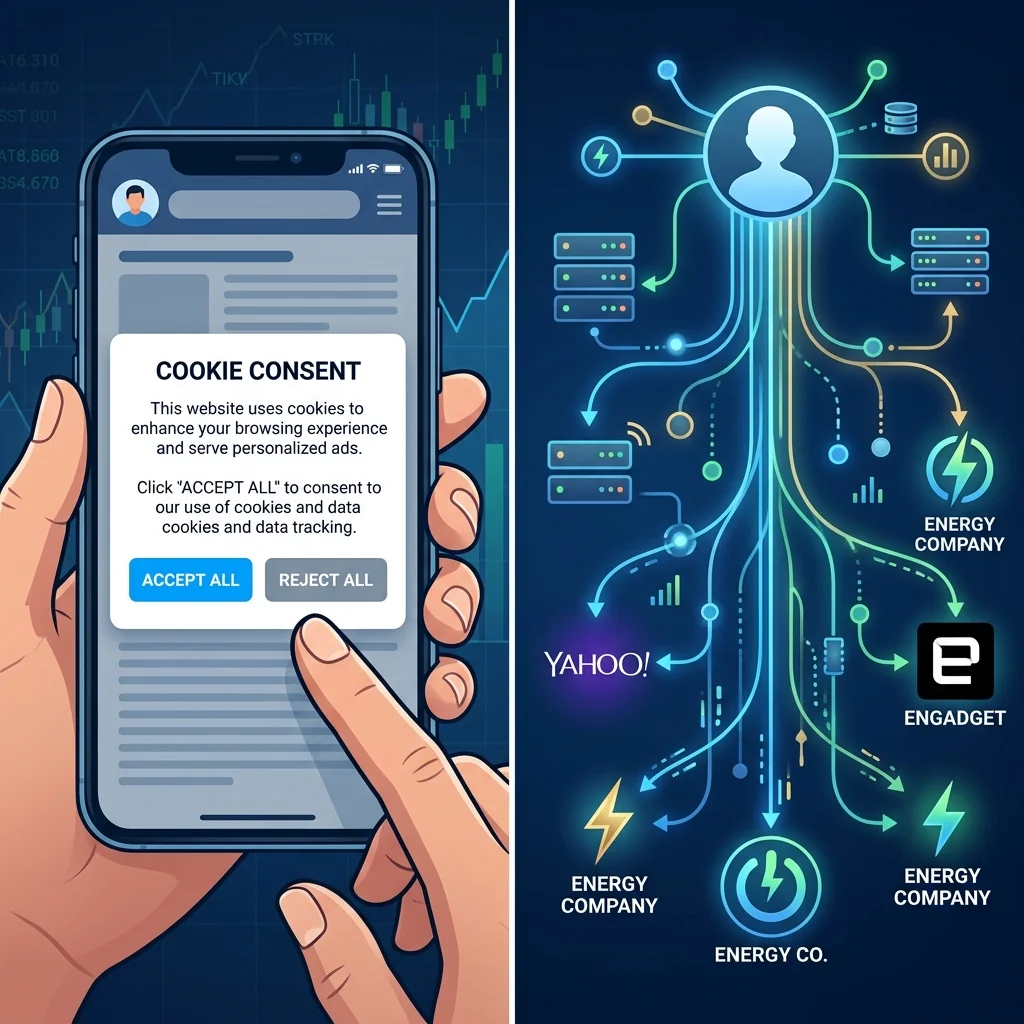
The Hidden Economy of Consent: How Yahoo Finance''s Cookie Notice Shapes Digital Advertising and User Privacy
Yahoo Finance's cookie consent notice is more than a legal checkbox—it reveals the intricate data economy powering free content. With 247 IAB TCF partners, Yahoo leverages cookies for measurement, authentication, and personalized ads. This article dissects the economic logic behind consent management, the role of technical identifiers, and how user choices influence ad targeting and revenue. It also explores why financial platforms like Yahoo Finance are particularly valuable for advertisers targeting high-net-worth individuals, including those following Gulf energy markets.
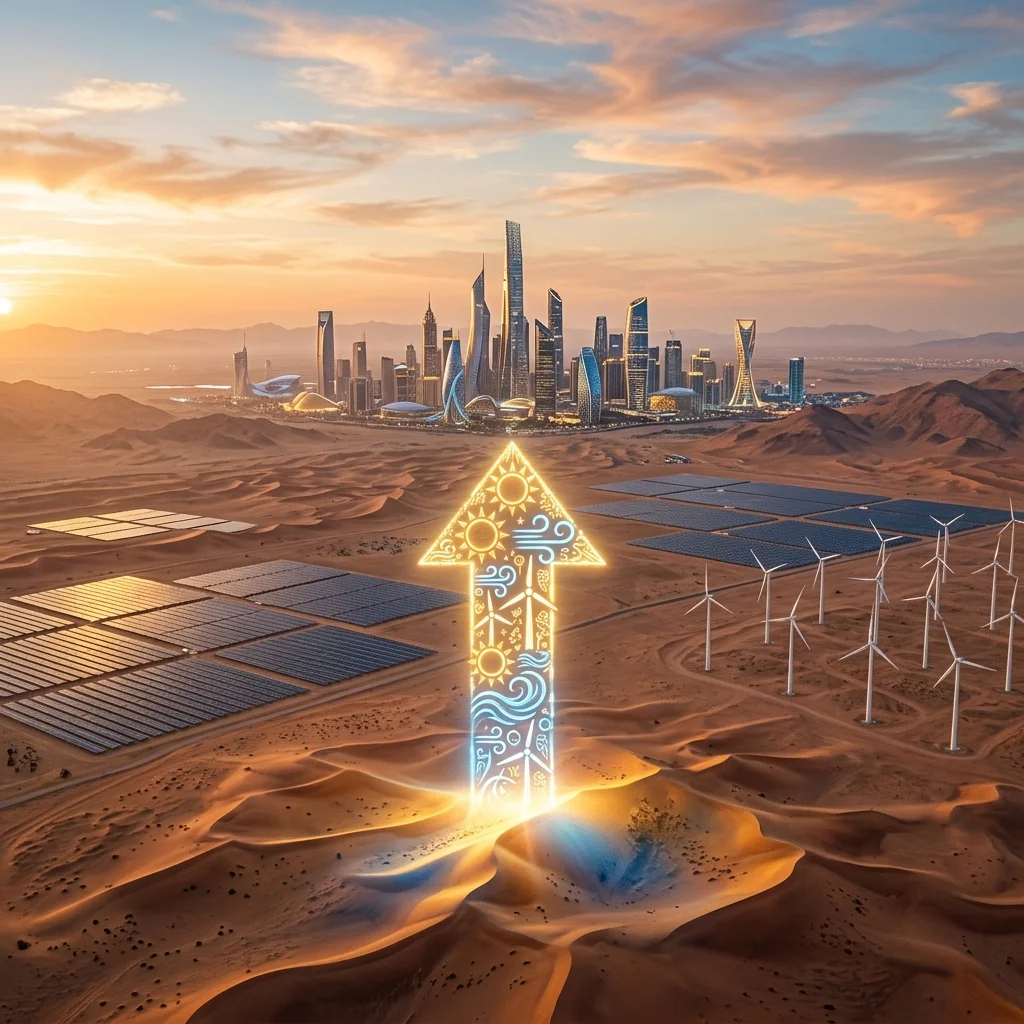
Middle East Renewable Energy Market: From $52.7B to $104.2B by 2032 – A Fragmented Powerhouse
The Middle East renewable energy market is on a rapid growth trajectory, projected to surge from USD 52.7 billion in 2025 to USD 104.2 billion by 2032 at a CAGR of 10.5%. Saudi Arabia holds the largest market share, while the UAE leads in growth velocity. However, the market remains highly fragmented, revealing a complex interplay of state-led mega-projects, private entrants, and national diversification strategies. This article delves beyond the headline numbers to explore the hidden economic logic, contrasting national models, and the long-term implications for supply chains, investment risk, and regional energy security. Based on data from PS Market Research, it provides a strategic deep-dive into a sector reshaping the Gulf's post-oil future.
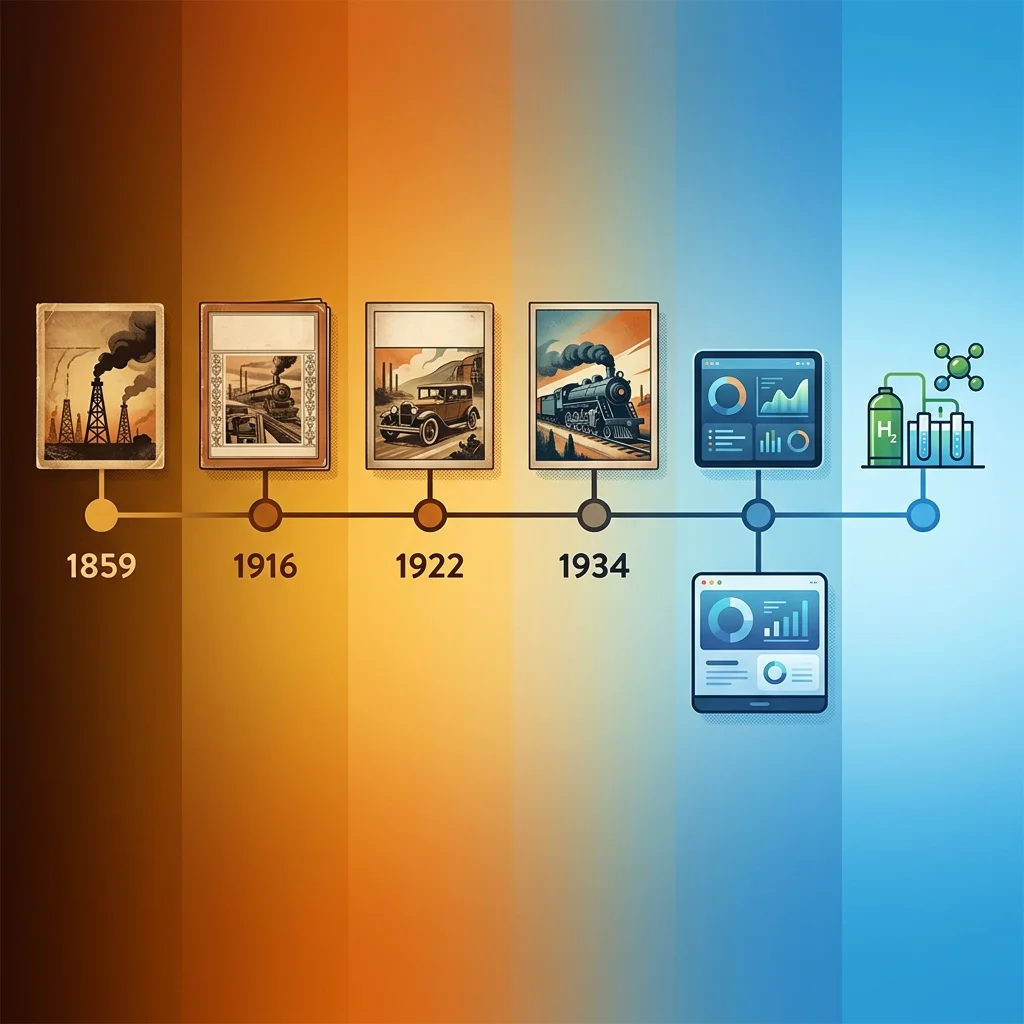
Gulf Energy Information: A 160-Year Legacy of Energy Market Intelligence Across the Value Chain
Gulf Energy Information's brand portfolio spans more than 160 years of energy publishing, from the 1859 launch of Pipeline & Gas Journal to modern hydrogen and infrastructure titles. This article explores how the collection—covering upstream, midstream, downstream, and emerging sectors—reflects the economic and technological evolution of global energy markets. By examining founding dates, target audiences, and the integration of data tools like Global Energy Infrastructure, we uncover the hidden logic behind a media strategy that has anticipated industry shifts from fossil fuels to diversified energy systems. A must-read for investors, analysts, and operators seeking to understand the information backbone of energy decision-making.
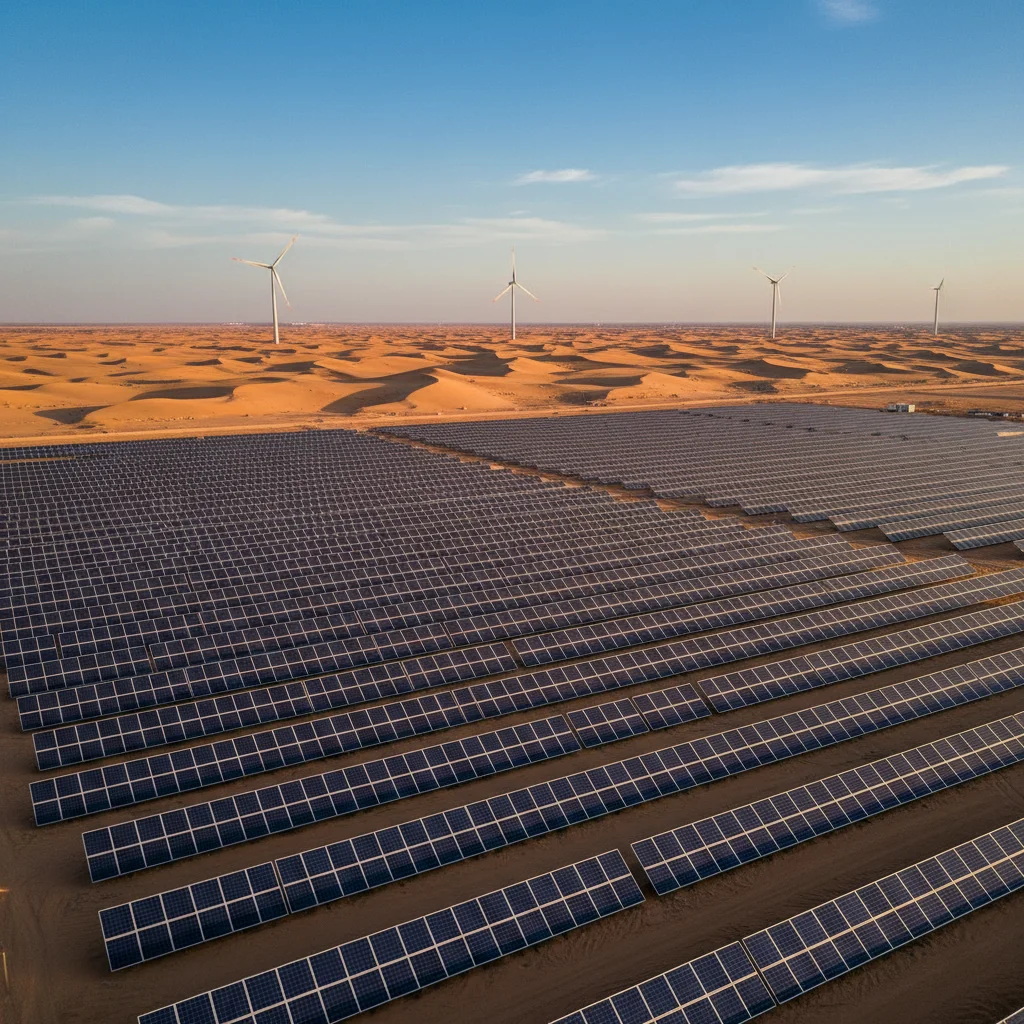
Gulf Energy Transition: How Renewable Development Reshapes Regional Markets and Global Supply Chains
The Gulf states are accelerating renewable energy deployment to diversify beyond oil and gas, driven by economic necessity, technological cost declines, and global decarbonization pressures. This article delves into the hidden economic logic behind the region''s solar, wind, and green hydrogen investments, examines their impact on energy markets and petrochemical supply chains, and identifies emerging opportunities and risks for investors and policymakers. Drawing on national strategies and industry data, we analyze how the Gulf''s energy transition is reshaping its role in global energy markets.
Beyond Oil: The Hidden Economic Logic Reshaping Gulf Energy Markets
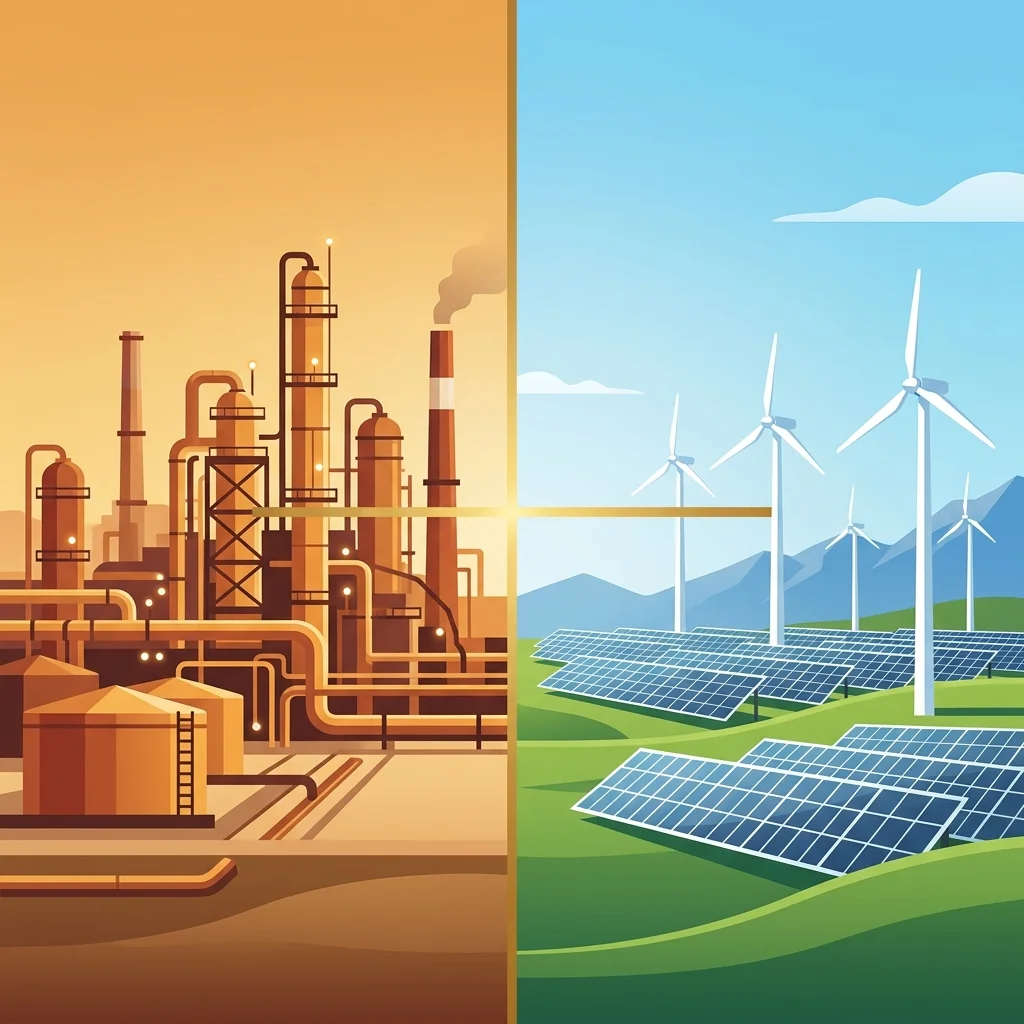
Gulf energy markets are undergoing a silent transformation driven by capital efficiency pressures, renewable cost parity, and a strategic pivot from volume-based to value-based resource monetization. This article uncovers the underlying economic logic—how Gulf states are rebalancing their energy portfolios between fossil fuel exports and clean energy investments, the role of carbon capture in extending hydrocarbon profitability, and the emergence of a dual-market strategy where oil revenues finance green infrastructure while natural gas serves as a bridge fuel. It challenges the conventional narrative of simple diversification, revealing a complex interlocking system of subsidies, sovereign wealth allocation, and global energy arbitrage that will define the region's next decade.