The Gulf Report
In-depth analysis and breaking intelligence on the gulf report markets across the GCC.

Navigating Uncertainty: How Geopolitical Risks Reshape Gulf Business Strategies
Amid rising geopolitical tensions involving US, Israel, and Iran, Gulf businesses face heightened operational risks. This article explores the hidden economic logic behind the conflict, focusing on supply chain disruptions, force majeure claims, and the strategic shift toward resilience. It provides actionable insights for Gulf business leaders on managing uncertainty, diversifying logistics, and leveraging regional stability initiatives.

The Gulf Business Report: Why the GCC’s Digital Shift is Redefining Decision-Making in the Middle East
This article explores how Arabian Gulf Business, as a premier digital platform, is not just reporting news but reshaping the information architecture for leaders across the GCC. Moving beyond a standard platform description, we uncover the hidden economic logic: the GCC’s accelerated digital transformation demands real-time, in-depth analysis to maintain competitive advantage. We examine how this platform’s focus on Saudi Arabia, the UAE, and other member states serves as a strategic lens for understanding cross-border investment flows, supply chain resilience, and the new decision-making velocity required in a post-oil diversification era. The piece provides a deep audit of why specialized digital news platforms have become essential infrastructure for the region’s business leaders.

Gulf Energy Development 2025: Decoding the Pro Forma Revenue Surge in a Diversified Energy Empire
An in-depth analysis of Gulf Energy Development's 2025 financial highlights, focusing on the 135,596 THB million total revenue. This article goes beyond the headline number to dissect the complex pro forma accounting methodology used for 2024 and 2025, revealing the hidden economic logic behind the company's multi-segment strategy. We explore how the blending of pro forma and actual data masks operational volatility and provides a smoothed narrative for investors, while analyzing the real performance of core segments like gas-fired power versus emerging digital and satellite ventures for long-term growth.
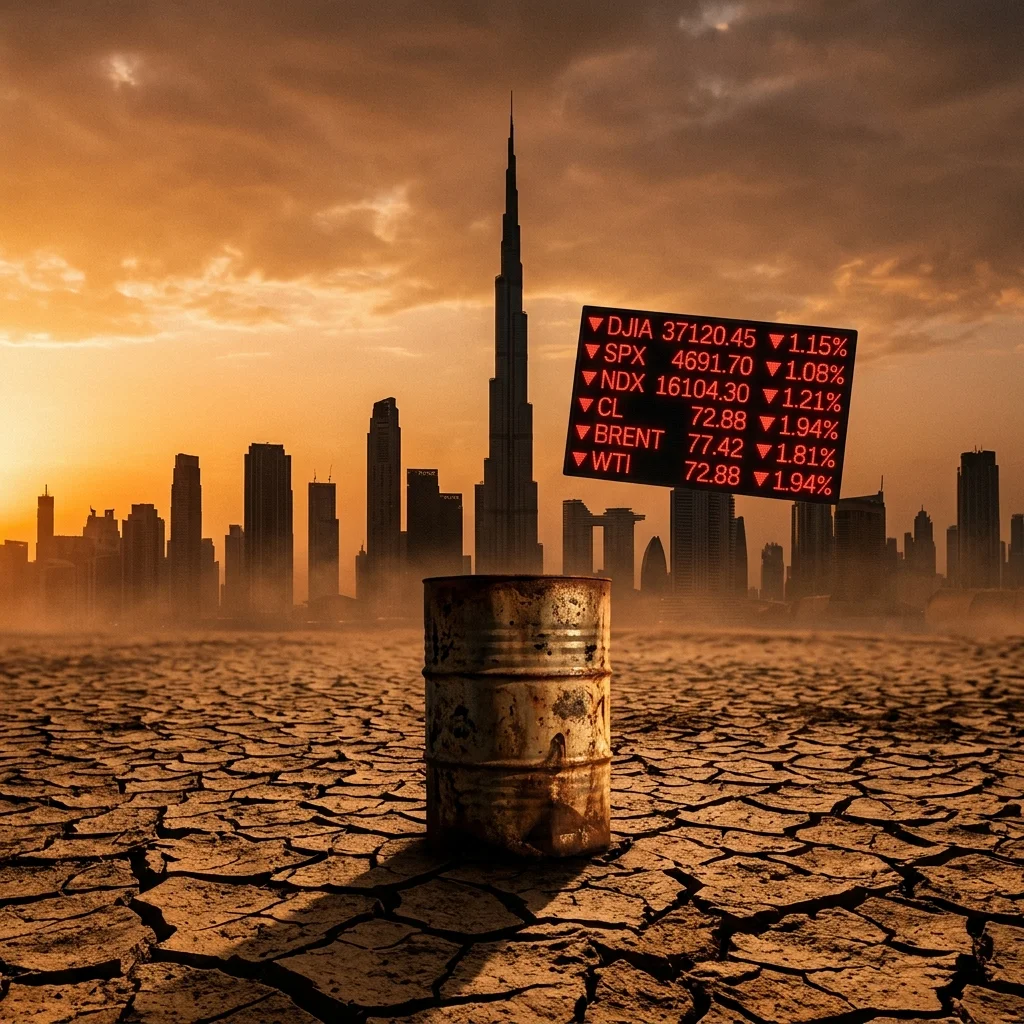
The Gulf Under Fire: How the Iran War is Rewriting the Region''s Business Playbook
The Morning Context''s ''Gulf Report'' newsletter offers a rare, on-the-ground view of how the US-Iran war is reshaping the Middle East economy. From battered tourism giants like Abu Dhabi National Hotels to the dramatic volatility of Dubai''s stock markets, the conflict is forcing rapid recalibration. This article decodes the hidden logic of wartime business incentives—like Dubai''s billion-dirham bailout—and asks a deeper question: what does the ''new normal'' look like for sovereign wealth funds, supply chains, and the information war that runs parallel to the military one? We sift through IMF warnings, Aramco’s dire Strait of Hormuz scenarios, and specific disruptions to airports and ports to map the long-term damage and the improbable recoveries.
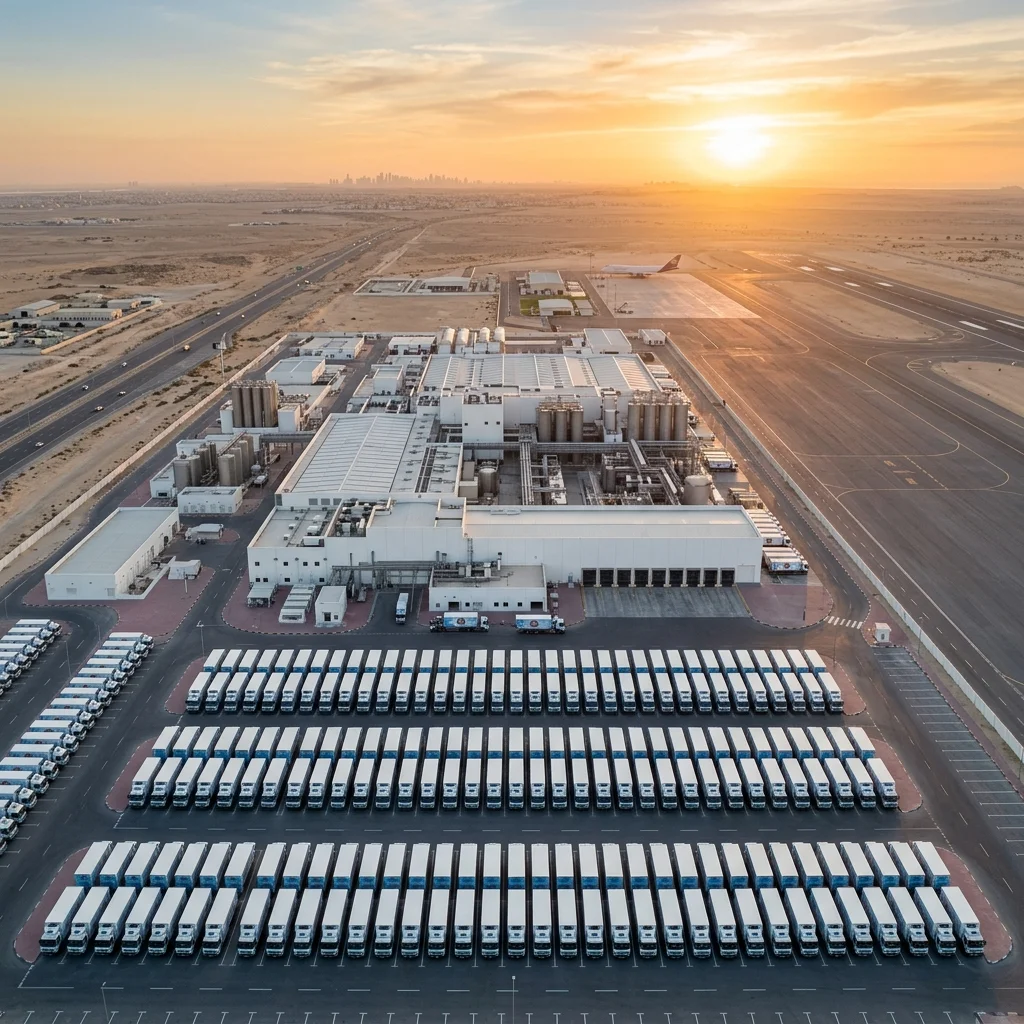
Baladna Q1 2026 Results: How Operational Discipline and Global Expansion are Reshaping Qatar’s Dairy Landscape
Baladna Q.P.S.C. reported a robust 6% net profit increase for Q1 2026, driven by a 22% gross profit surge and margin expansion from 26% to 32%. Beyond the headline numbers, the quarter reveals a dual strategy: deep domestic optimization (268 SKUs, 3,821 customers) and bold international execution (Algeria’s $635M Phase Two, Syria IFC study). This analysis digs into the hidden logistics of a 30,000-cow airlift from the US, the implications of rising EBITDA margins amid geopolitical disruptions, and how Baladna is evolving from a local food security champion into a cross-continental dairy infrastructure player. The article provides a slow analysis audit of supply chain resilience, capital allocation, and the strategic use of IFC partnerships to de-risk frontier market entry.

Beyond the Balance Sheet: The Hidden Sovereign Risk Weakening GCC Banks Financial Resilience
While GCC banks have long been considered bastions of stability, a critical vulnerability is emerging beneath the surface. The convergence of declining regional energy receipts and significant sovereign exposure is creating a potent financial strain. This analysis moves beyond standard credit risk assessments to explore the structural dependency linking state finances to bank balance sheets. We examine how this symbiotic relationship, once a source of strength, is becoming a systemic liability, threatening the long-term resilience of the Gulf's financial sector and its ability to fund economic diversification away from hydrocarbons.