Tech & Innovation
In-depth analysis and breaking intelligence on tech & innovation markets across the GCC.

Anthropic''s Pivot: From Developer Tools to Managed AI Services and What It Reveals About Enterprise Adoption
In April 2026, Anthropic announced a significant strategic shift, moving from a developer-centric AI agent platform to a managed service model with its new 'Agent Center.'' This analysis explores the deeper market logic behind this pivot: it''s a response to the ''complexity gap'' hindering enterprise AI adoption. We examine how this move reflects a broader industry trend toward abstraction, where AI providers are becoming service operators rather than just toolmakers. The shift signals a maturation of the market, prioritizing accessibility and reliability over raw flexibility, and could reshape competitive dynamics by focusing on business outcomes over technical prowess.

Beyond Siri & Alexa: How Samsung''s 300M Agentic AI Deployment Redefines the Mobile Interface
Samsung's April 2026 rollout of 'agentic' AI to 300 million devices marks a pivotal shift from reactive assistants to proactive, autonomous agents. This move signals that conversation is becoming the primary user interface, moving beyond simple commands to complex, multi-step task execution within Samsung's ecosystem. The analysis explores the underlying economic logic of locking users into a service-driven, post-app economy and examines the long-term implications for mobile hardware commoditization, data sovereignty, and the competitive landscape. This isn't just an upgrade; it's a foundational change in how we interact with technology, prioritizing AI-driven agency over manual app navigation.

When Data is Silenced: The Economic and Strategic Cost of Information Blackouts
The detection of political content errors in data streams is not merely a technical glitch but a significant economic and strategic event. This article analyzes the hidden costs of information blackouts, exploring how the deliberate or systemic silencing of data disrupts market efficiency, obscures supply chain vulnerabilities, and creates blind spots for investors and policymakers. We examine the phenomenon as a market signal in itself, arguing that the absence of information has become a critical data point for risk assessment and long-term strategic planning in an increasingly fragmented global information landscape.

Beyond the Search Bar: How Tubi''s Conversational AI Signals the End of Passive Streaming
In April 2026, Fox Corporation''s Tubi announced a move toward conversational AI for content discovery, referencing ChatGPT. This is not merely a feature update but a strategic pivot that reveals a deeper industry trend: the shift from passive, algorithm-driven consumption to active, dialogue-based discovery. This article analyzes how this move challenges the fundamental economics of streaming, moving beyond engagement metrics to own the critical ''intent'' layer. We explore the long-term implications for user behavior, content monetization, and the potential for conversational interfaces to become the new gatekeepers in an oversaturated market, ultimately questioning who controls the pathway to content in the AI era.
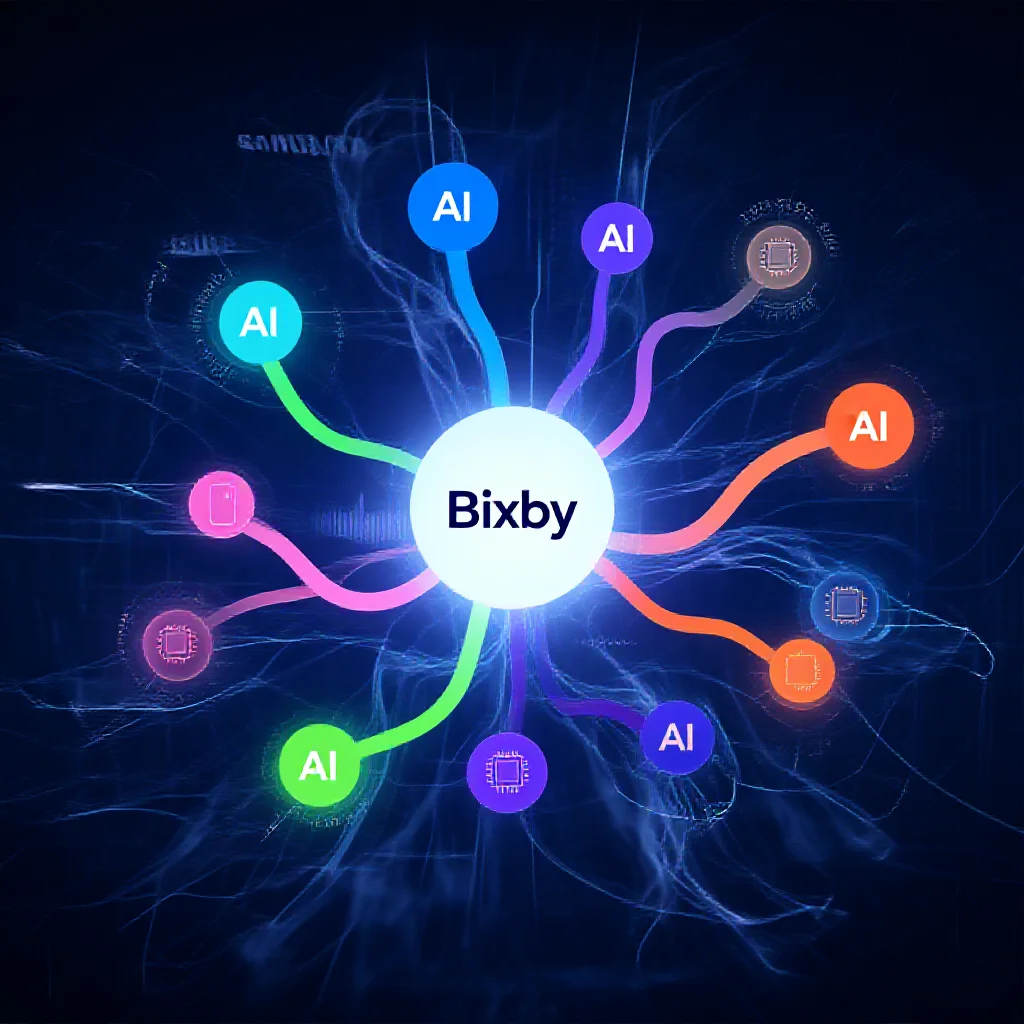
Samsung''s Bixby Bet: How a Callable Agent Architecture Signals a Strategic Pivot in the AI Assistant War
Samsung's announcement that Bixby is transitioning from a research project to a production-ready service, coupled with the release of a 'Callable Agent Architecture, is more than a technical update. It reveals a fundamental strategic shift. This analysis argues that Samsung is abandoning the futile quest to build a monolithic, all-knowing AI like its rivals. Instead, it is positioning Bixby as an open, federated orchestrator'—a hub designed to connect users to a universe of specialized third-party AI agents. This move targets the enterprise and developer ecosystem, aiming to create a new platform for AI-powered device functionality and services, thereby monetizing its vast hardware footprint in a way pure software players cannot easily replicate.

The AI Server Boom''s Hidden Cost: How NAND Shortages Are Reshaping the SSD Market
The explosive demand for AI servers is creating a severe supply chain imbalance, diverting critical NAND flash memory away from consumer markets and causing SSD prices to surge. This article analyzes the underlying economic logic behind this shift, moving beyond simple supply-demand narratives to explore how hyperscalers procurement power is fundamentally restructuring the memory industry's priorities. We examine the long-term implications for consumer electronics, the potential for a two-tiered market, and whether this signals a permanent change in how NAND manufacturers allocate their most advanced production capacity.