Tech & Innovation
In-depth analysis and breaking intelligence on tech & innovation markets across the GCC.

Samsung''s AI Democratization: Why Moving Flagship AI to Mid-Range Phones is a Strategic Masterstroke
Samsung's decision to bring its advanced Galaxy AI features—including real-time call translation and Circle to Search—from the premium Galaxy S24 series to the mid-range Galaxy A55 and A35 models (priced $400-$600) is more than a product update. It's a calculated strategic pivot to democratize AI, capture the volume-driven mid-market, and set a new industry standard where AI becomes a baseline expectation, not a luxury. This move pressures competitors, accelerates mass AI adoption, and reshapes consumer expectations for smartphone intelligence at accessible price points.
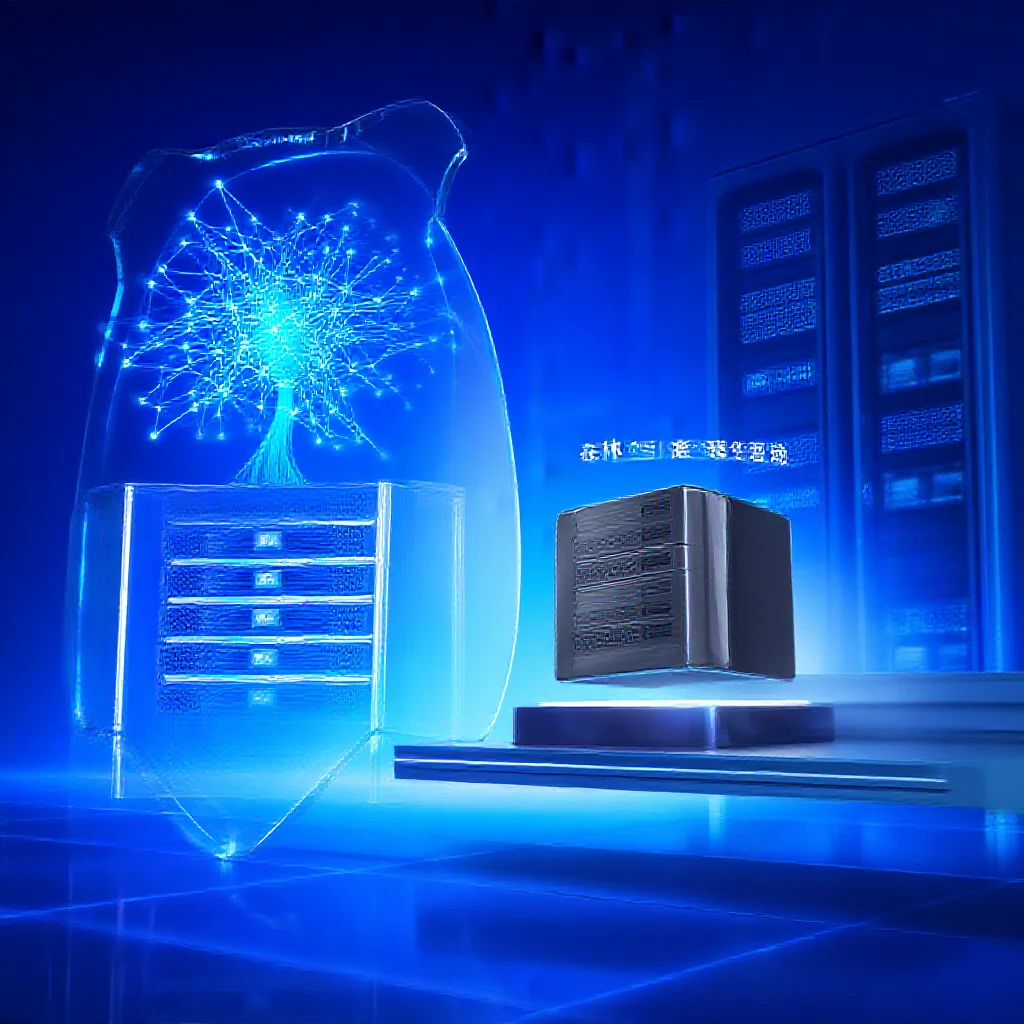
From Guardrails to Growth Engines: The Commercialization of AI Safety Models
A significant shift is underway in the AI security landscape. Models originally built as internal 'safety rails' to govern other AI systems are now being repackaged and sold as standalone commercial cybersecurity products. This transition marks a strategic pivot from a purely defensive, risk-mitigation posture to a proactive, revenue-generating one. The article explores the market forces driving this change, the implications for enterprise security strategies, and the potential long-term consequences for the AI supply chain as foundational safety tools become competitive commercial battlegrounds.

Samsung''s AI Democratization: Why a 24-Month Migration Signals a New Smartphone Era
Samsung's strategic decision to accelerate its AI feature migration to just 24 months and extend premium AI capabilities to mid-tier devices is more than a product update; it's a market-shaping maneuver. This analysis explores the underlying economic logic of commoditizing AI to drive ecosystem lock-in and recurring revenue, moving beyond hardware sales. It examines the pressure this places on competitors like Apple and Google, the potential impact on chipset and software supply chains, and how this rapid democratization could redefine 'premium' in the smartphone market, forcing a fundamental shift in how value is created and captured in the mobile industry.
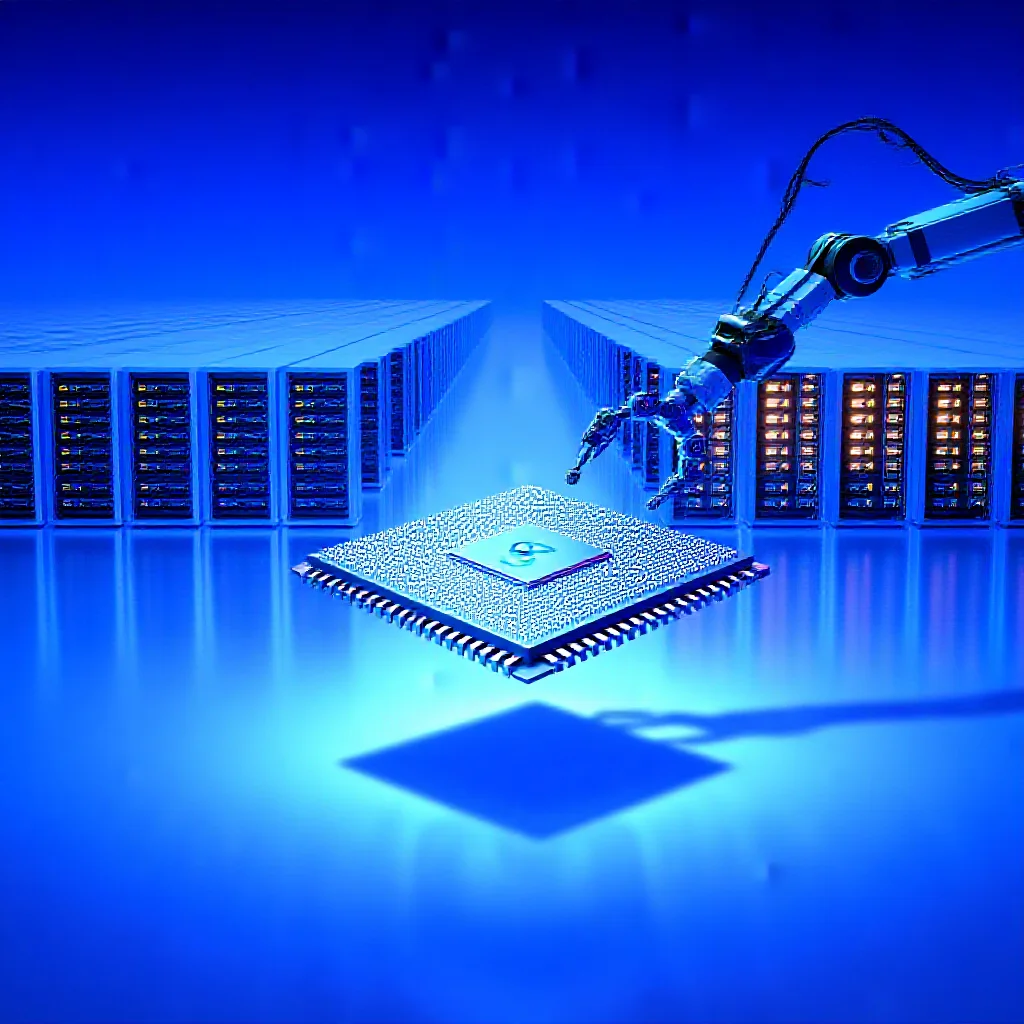
Beyond Nvidia: Meta''s 1GW Bet on Custom AI Silicon and the Hyperscaler Power Shift
Meta''s commitment to deploying over 1 gigawatt of capacity for its custom AI chips marks a pivotal moment in the infrastructure arms race. This analysis moves beyond the headline to explore the underlying economic and strategic calculus: it''s not just about cost savings, but about seizing architectural control over the AI stack. We examine how this move accelerates the shift from a vendor-centric GPU market to an era of vertically integrated, workload-optimized silicon, reshaping supply chains, energy economics, and the competitive landscape for AI supremacy. The 1GW figure is less a capacity metric and more a statement of strategic intent in the post-GPU monopoly world.
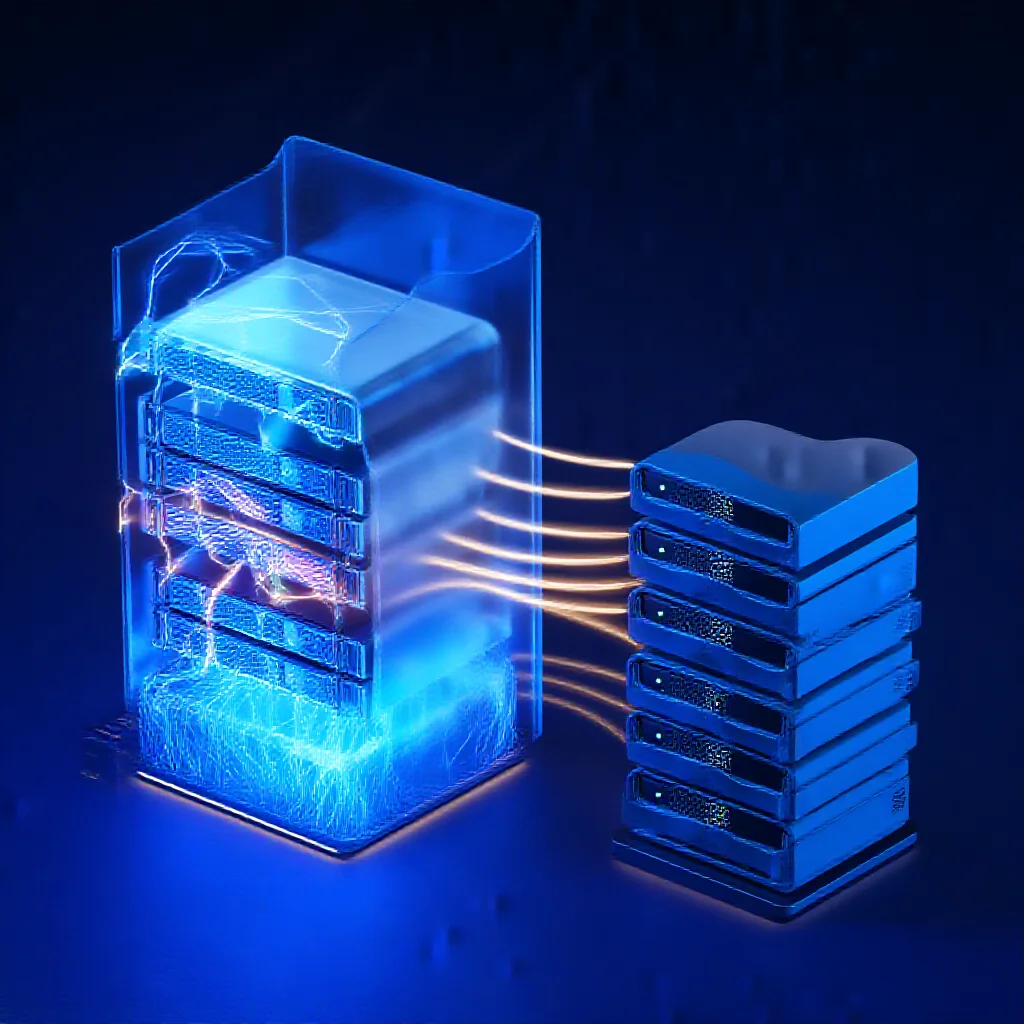
Beyond the GPU Crunch: Why AI Labs'' Shift to Captive Infrastructure is Reshaping the Cloud Economy
The reported pivot of AI labs towards building their own computing infrastructure, coupled with the doubling of Fluidstack's valuation, signals a profound shift in the AI hardware landscape. This move goes beyond a simple response to GPU shortages; it represents a strategic decoupling from traditional cloud providers to gain control over cost, performance, and proprietary data flows. This article explores the underlying economic logic driving this trend, analyzing its long-term implications for cloud service providers, hardware manufacturers, and the competitive dynamics of the AI industry. We examine how this shift could create a new tier of specialized infrastructure-as-a-service players and fundamentally alter the AI supply chain.
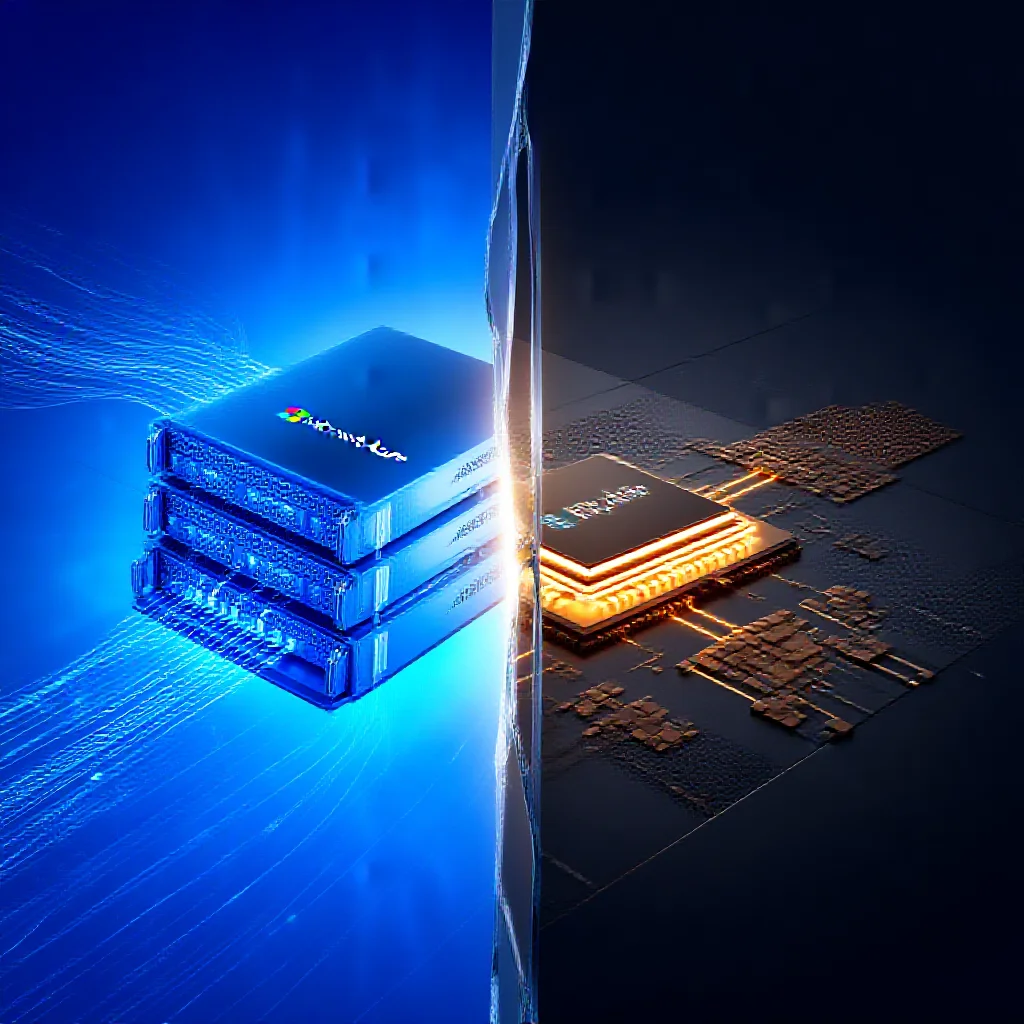
From Azure to Autonomy: How OpenAI''s Infrastructure Shift Redefines the AI Power Balance with Microsoft
OpenAI's strategic move to develop its own AI inference chips and data centers marks a pivotal shift from a deep partnership with Microsoft to a complex competitive dynamic. This analysis explores the underlying economic logic of vertical integration in the AI era, where control over the foundational compute layer is becoming the ultimate source of power and profit. We examine how this transition, beginning with Microsoft's 2019 $1 billion investment, signals a new phase where AI giants seek independence from cloud hyperscalers, potentially reshaping the entire technology supply chain and the future of AI-as-a-Service models.