Tech & Innovation
In-depth analysis and breaking intelligence on tech & innovation markets across the GCC.

From Feature to Infrastructure: How Google''s Gemini Notebooks Signal the Commoditization of AI Context
Google's launch of Notebooks for Gemini, mirroring OpenAI's ChatGPT Projects, marks a pivotal shift. Organizational context management—the ability to structure files, conversations, and instructions into persistent projects—is no longer a competitive differentiator but baseline infrastructure. This analysis explores how this commoditization forces a strategic realignment for AI players like Microsoft and Anthropic, redefines the value proposition for enterprise users, and foreshadows a future where AI assistants compete on integration and workflow automation, not just on memory. The move signals the maturation of the AI assistant market, turning a once-innovative feature into an expected utility.

Beyond the Cloud: Why Google''s Offline-First AI Strategy Signals a Major Industry Shift
Google''s reported pivot to an offline-first approach for AI development marks a critical inflection point, moving beyond a mere technical feature. This analysis argues that the ''necessity threshold'' for on-device AI is driven by a convergence of economic, privacy, and strategic imperatives. We explore the hidden logic: the high cost of cloud inference, the rising value of private data, and the need for ubiquitous, low-latency intelligence. This shift isn''t just about better phones; it''s a fundamental re-architecting of the AI value chain that will reshape hardware priorities, data economics, and the competitive landscape between tech giants.
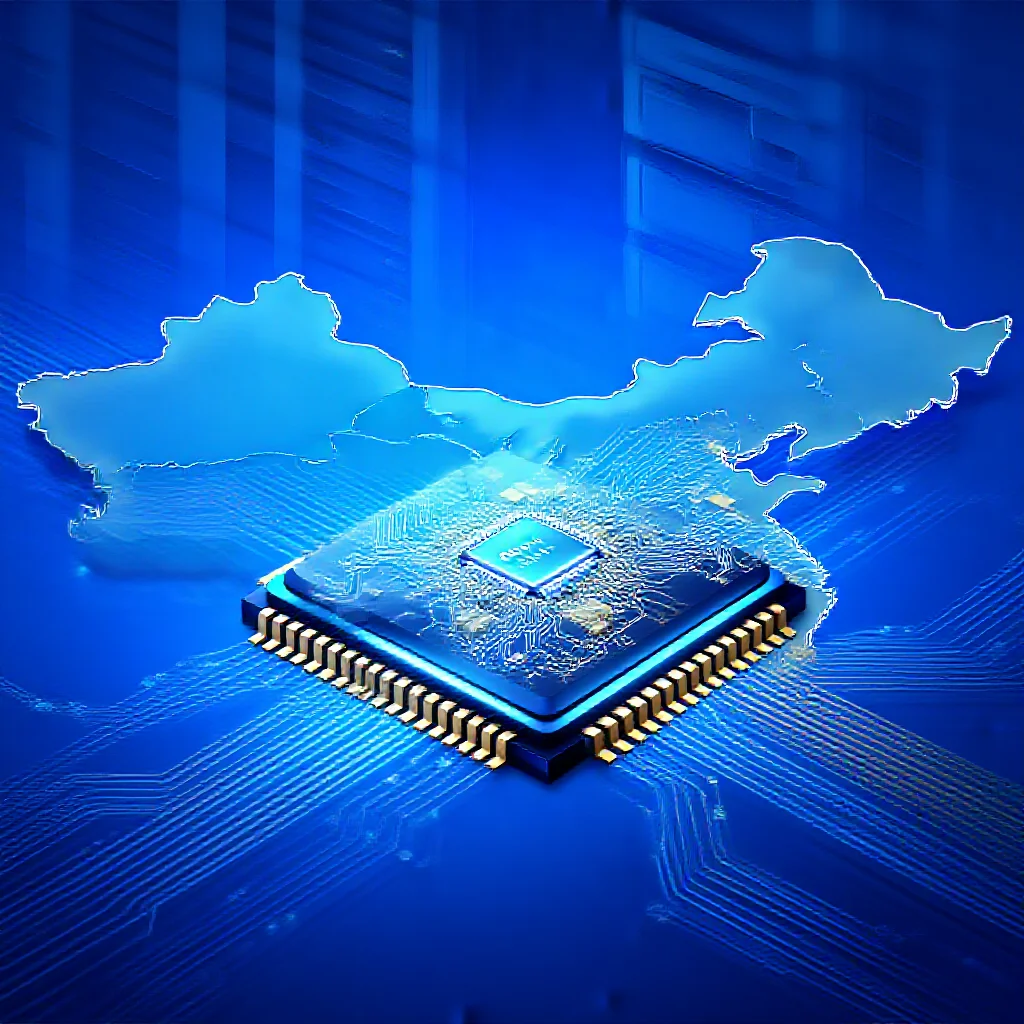
Beyond the Headcount: How Alibaba''s 10,000 Hanguang 800 Chips Redraw China''s AI Sovereignty Map
In 2026, Alibaba Cloud''s deployment of over 10,000 proprietary Hanguang 800 AI processors represents far more than a technical milestone. This analysis argues that the true significance lies in the strategic shift it signals: from a focus on chip design to the mastery of a full-stack, production-hardened AI ecosystem. We examine how this scale of deployment validates China''s domestic AI silicon in real-world, revenue-generating cloud services, creating a self-reinforcing loop of data, iteration, and software optimization that foreign alternatives cannot easily penetrate. The move critically reduces dependency at the infrastructure layer, allowing Chinese tech giants to control their core AI destiny amid global semiconductor tensions.

Alibaba''s 10,000 Zhenwu Chips: A Strategic Pivot from Cloud to Silicon Independence
Alibaba's production of 10,000 Zhenwu processors and their deployment in its cloud data centers is far more than a simple hardware upgrade. This analysis positions the move as a critical strategic pivot in the US-China tech decoupling era. We explore how this in-house silicon initiative is not just about cost-saving or performance, but a fundamental re-architecting of Alibaba's core business model. By controlling the chip layer, Alibaba aims to lock in cloud customers with optimized, proprietary services, reduce vulnerability to global supply chain shocks, and create a new, defensible revenue stream. The 10,000-unit milestone signals a transition from R&D to scaled operational capability, marking a new phase in China's quest for technological self-sufficiency.
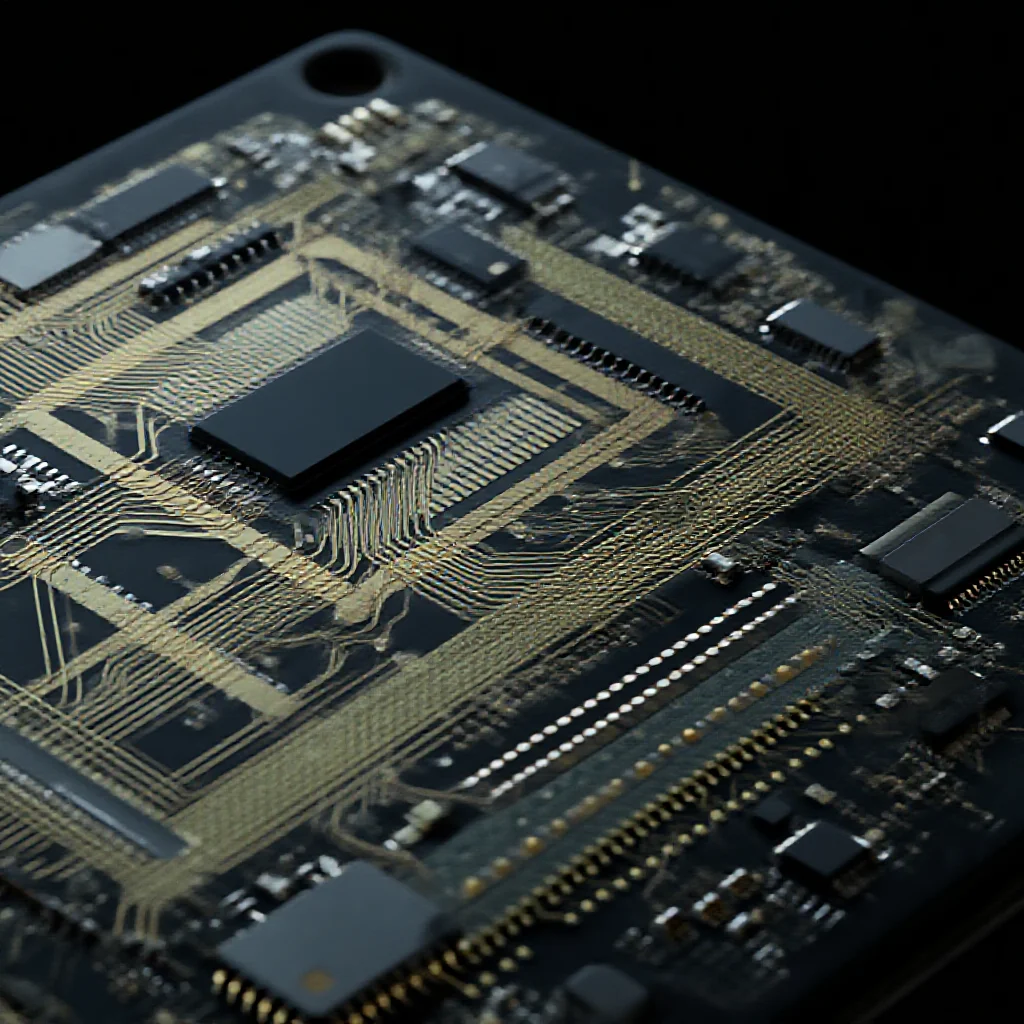
Beyond the Silicon: How Nvidia''s CoWoS Lockdown Reshapes the AI Supply Chain
The AI chip shortage is not just about transistors; it's about packaging. A critical bottleneck in TSMC's advanced CoWoS (Chip-on-Wafer-on-Substrate) packaging capacity is throttling global AI development. Nvidia's strategic move to secure a dominant share of this capacity has created a two-tier market, forcing competitors to scramble and exposing a fundamental vulnerability in the semiconductor supply chain. This article analyzes how this packaging choke point shifts power dynamics, impacts AI innovation beyond just hardware giants, and forces a strategic re-evaluation of supply chain dependencies for the entire tech industry.
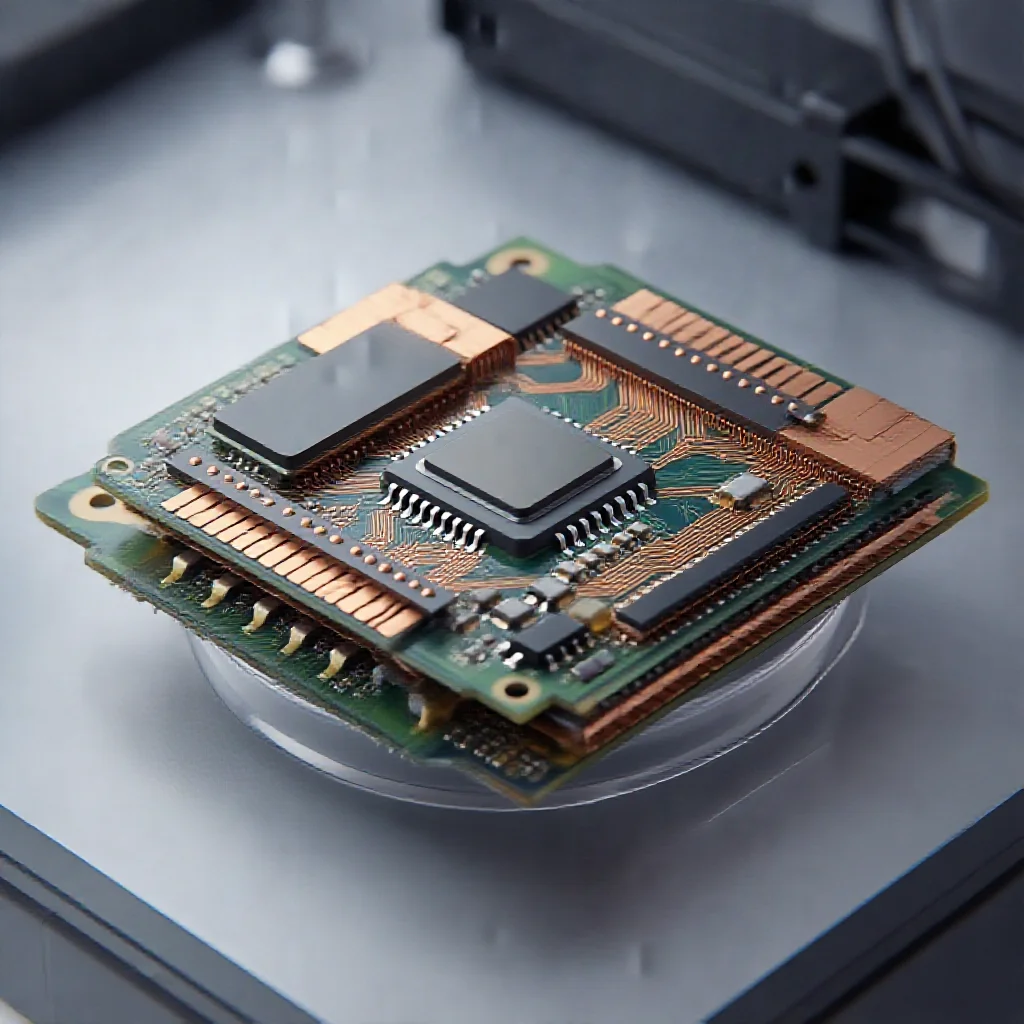
The New AI Bottleneck: How Advanced Packaging Became the Critical Choke Point in the Global Supply Chain
The AI chip production bottleneck has shifted from transistor fabrication to advanced packaging, creating a 12-18 month delay. Nvidia''s dominance of TSMC''s CoWoS capacity has exposed a critical vulnerability: chips made in new U.S. fabs under the CHIPS Act must still travel to Taiwan for packaging. This reveals a strategic gap in U.S. semiconductor policy, with TSMC''s Arizona packaging facility not operational until late 2027. The article explores the implications of this new constraint, its impact on the broader AI ecosystem, and the emerging geopolitical and supply chain risks it creates.