Tech & Innovation
In-depth analysis and breaking intelligence on tech & innovation markets across the GCC.
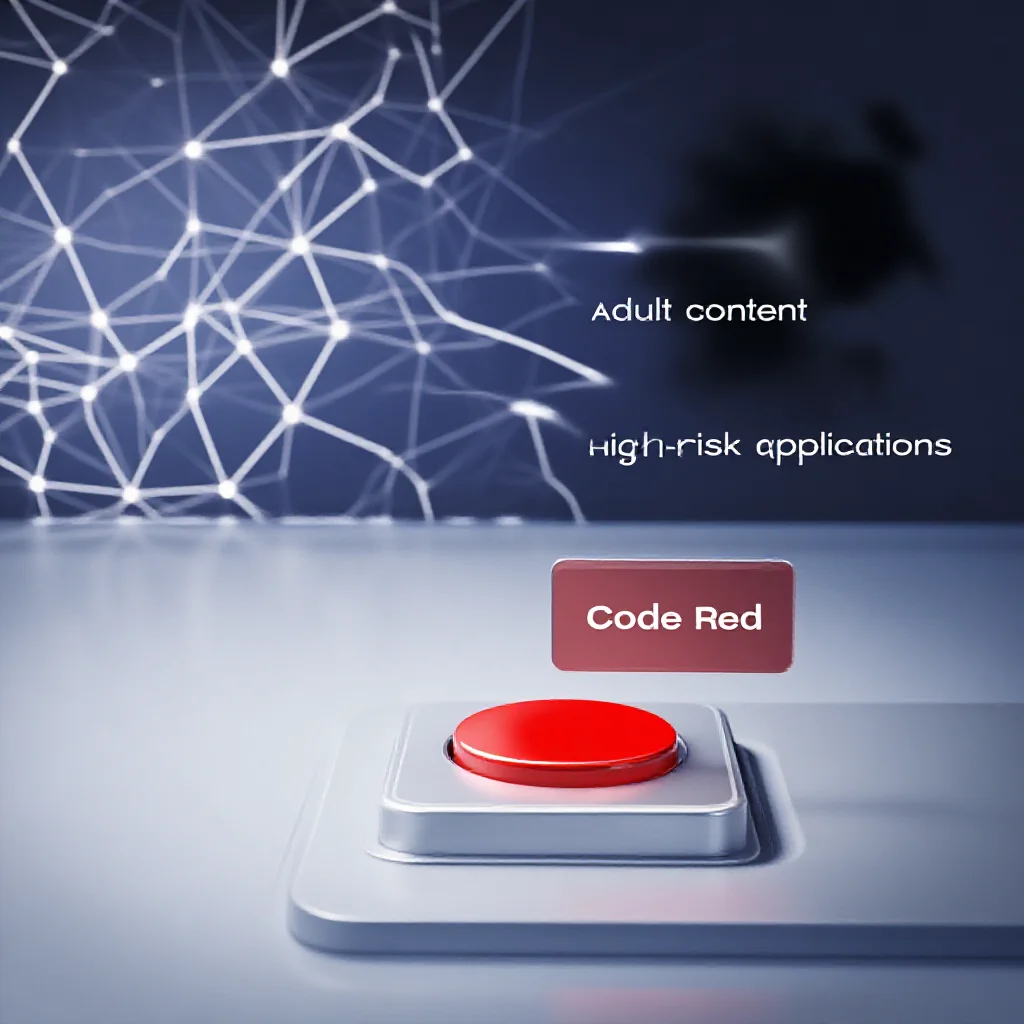
OpenAI''s ''Code Red'' Reset: Why Shelving an Adult AI Chatbot Signals a Deeper Strategic Pivot
OpenAI's decision to halt development of an adult-oriented AI chatbot is not an isolated product move but a symptom of a major strategic recalibration, internally dubbed 'Code Red.' This article analyzes the hidden economic and strategic logic behind this pivot. We explore how it reflects mounting pressure on AI giants to solidify enterprise and mainstream consumer credibility, moving away from perceived high-risk, niche applications. The shelving of this project signals a critical phase where commercial viability, regulatory foresight, and brand safety are becoming paramount, potentially redefining the boundaries of permissible AI development in the race for market dominance.

Beyond the Stock Drop: How Google''s TurboQuant Reshapes AI''s Economic Foundation
Google''s announcement of TurboQuant, a model compression technology claiming to reduce AI memory needs by up to 75%, triggered an immediate sell-off in memory chip stocks. This reaction reveals a deeper, underappreciated narrative: the nascent but critical shift from an AI hardware arms race to an efficiency revolution. This article analyzes how TurboQuant introduces a new variable into the long-term demand equation for high-bandwidth memory (HBM), potentially altering the economics of AI deployment and challenging the growth assumptions of the entire memory chip sector. We explore the tension between near-term demand and long-term technological disruption, examining what this means for chipmakers, AI developers, and the democratization of advanced AI.

Beyond the Wrist: How Mistral''s On-Device Speech AI Signals the True Edge Computing Revolution
Mistral AI's deployment of a speech model on smartwatches is more than a technical demo; it's a definitive signal of a major industry pivot. This article explores how this move validates the economic and technological shift from centralized cloud AI to distributed edge processing. We analyze the underlying drivers—privacy, latency, and cost—and examine the long-term implications for semiconductor design, device ecosystems, and the future of ambient computing. This shift redefines the battleground for AI dominance, moving it from data center scale to power efficiency and silicon innovation.

Beyond the Stock Drop: How Google''s TurboQuant Exposes the Fragile Symbiosis Between AI and Memory Chips
Google''s announcement of TurboQuant, an AI architecture designed to reduce reliance on high-bandwidth memory (HBM), triggered immediate declines in memory chip stocks. This analysis moves beyond the surface-level market reaction to explore the deeper implications. It examines the long-term strategic shift TurboQuant represents: a move by AI giants to decouple computational progress from the volatile and supply-constrained memory market. We dissect the hidden economic logic where AI efficiency becomes a tool for supply chain leverage, question the sustainability of the current AI hardware boom, and analyze what this means for the future of chipmakers like SK Hynix, Micron, and Samsung in an era where software seeks to outsmart hardware constraints.

Beyond the Cloud: How Mistral AI''s On-Device Voice Model Signals a New Era for Wearables and Privacy
In March 2026, Mistral AI announced a significant shift by deploying a voice generation model directly onto a wearable device, eliminating the need for constant cloud connectivity. This move is more than a technical milestone; it represents a strategic pivot in the AI industry towards edge computing, driven by intensifying demands for user privacy, data sovereignty, and real-time responsiveness. This article analyzes the underlying economic and technological forces behind this shift, exploring its implications for hardware design, the competitive landscape against cloud giants, and the potential to unlock new, privacy-sensitive applications in healthcare, personal assistants, and ambient computing. We examine why this marks a critical inflection point in the battle for the next computing platform.

Samsung''s Windows Browser Move: A Strategic Pivot to On-Device AI Dominance
Samsung's planned release of its Internet browser for Windows in 2026 is far more than a simple software port. This analysis reveals it as a calculated strategic move to extend its Galaxy AI ecosystem beyond mobile, directly challenging the cloud-centric AI models of rivals like Google and Microsoft. By bringing features like 'Circle to Search' to the PC via a Chromium-based client, Samsung is betting on the future of on-device processing for privacy, speed, and user lock-in. This article explores the underlying market logic, the implications for the browser wars, and how this positions Samsung in the coming era of hybrid AI architectures.