Real Estate
In-depth analysis and breaking intelligence on real estate markets across the GCC.

Beyond the $1.3bn Deal: Decoding the Strategic Shift Behind Al-Jurf''s Local Contractor Award
The appointment of a local contractor for the $1.3bn Al-Jurf beachfront project, developed by Ohana Development and Jacob & Co, is more than a routine contract award. This analysis uncovers the underlying strategic pivot in Abu Dhabi's real estate and economic policy. We examine the move away from reliance on international mega-contractors towards empowering domestic construction champions, a trend with profound implications for capital retention, supply chain localization, and long-term economic sovereignty. The decision signals a calculated shift in how mega-projects are leveraged not just for tourism, but for building indigenous industrial capacity and controlling the value chain from design to delivery.

Beyond the $340 Million: Bahrain''s Highway Project as a Strategic Economic Catalyst
While Bahrain's recent approval of $340 million in financing for a highway project appears as straightforward infrastructure news, it reveals a deeper strategic pivot. This analysis moves beyond the headline figure to examine the project as a calculated tool for economic diversification, regional connectivity, and fiscal stimulus. We explore how this investment is less about asphalt and more about positioning Bahrain within the Gulf's post-oil economic landscape, attracting foreign investment, and alleviating pressure on public finances through strategic project financing models. The article dissects the unspoken long-term goals and the potential ripple effects on real estate, logistics, and national competitiveness.
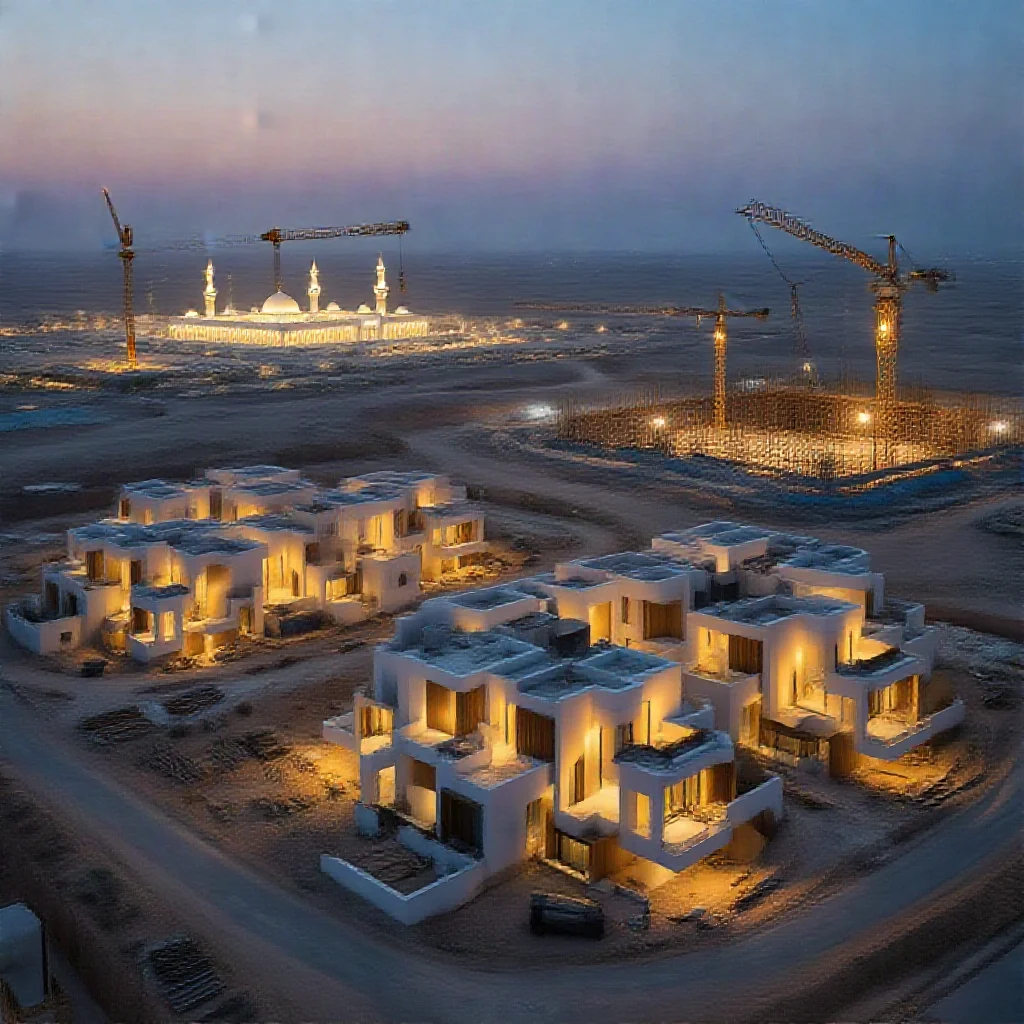
Beyond Bricks: The Strategic Significance of Turkey''s Emlak Konut Entering the Saudi Holy City Real Estate Market
The launch of the 'Makkah Villas' project by Turkish giant Emlak Konut GYO in partnership with Saudi Arabia's Al Rajhi International is more than a simple real estate development. This analysis delves into the strategic implications of a major Turkish state-backed entity entering the high-stakes, proximity-sensitive real estate market surrounding Islam's holiest site. We examine the project as a case study in deepening Turkey-Saudi economic diplomacy, the evolving investment patterns in sacred urban economies, and the calculated risk of a foreign developer navigating the unique regulatory and cultural landscape of Mecca. The move signals a new phase in Gulf-Turkey relations and reflects shifting dynamics in the construction sector's pursuit of resilient, high-value markets.

Syrian Capital in Mayfair: The $300M Beaumont Project and London''s Post-Pandemic Luxury Real Estate Revival
A $300 million project to convert London''s historic Beaumont hotel into luxury residences and a new five-star hotel is being developed by Beaumont Property Development, a subsidiary of the Syrian-owned Yildizlar SSS. Scheduled to begin construction in Q3 2024, this venture highlights a significant trend: the strategic influx of Middle Eastern capital into prime London real estate as a safe-haven asset, particularly in the post-pandemic recovery phase. This analysis explores the project''s role in revitalizing Mayfair''s luxury market, the geopolitical and economic logic behind Syrian-linked investment in the UK, and what this signals about the future of high-end urban redevelopment.
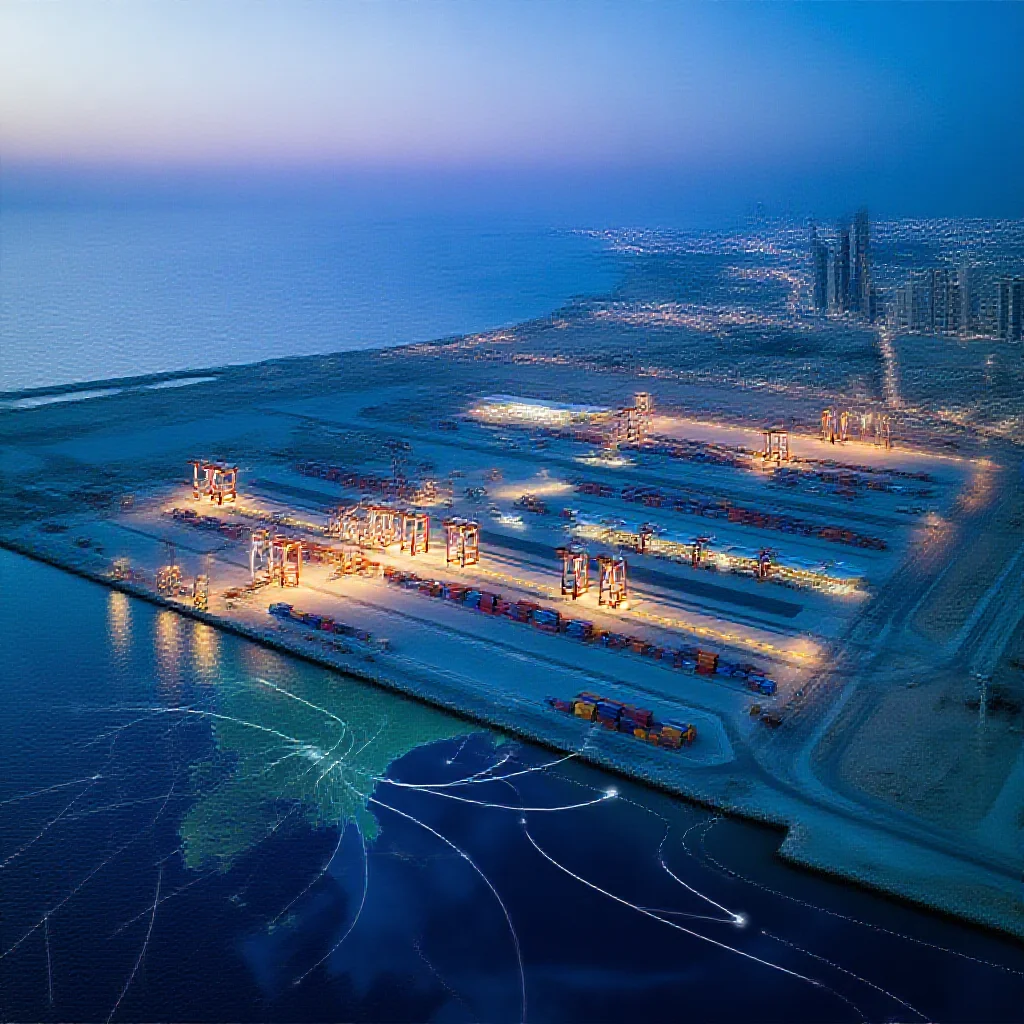
Beyond the Tender: Kuwait''s Doha Port Study and the Strategic Reshaping of Gulf Logistics
Kuwait's Ministry of Public Works has initiated a critical step by tendering a feasibility study for Doha Port's development, with bids due by April 28. While seemingly a routine procedural step, this move signals a deeper strategic intent. This analysis explores how the study's technical, economic, and environmental assessments are not merely about port expansion but are a calculated play to reposition Kuwait within the fiercely competitive Gulf logistics corridor. We examine the underlying drivers, from economic diversification under Vision 2035 to the geopolitical calculus of reducing regional transit dependencies, and what a revitalized Doha Port could mean for supply chain patterns and Kuwait's long-term role as a regional trade nexus.

Content Moderation in the Digital Age: Navigating Political Filters and Information Integrity
The automated flagging of content as '[ERROR_POLITICAL_CONTENT_DETECTED] is not a simple technical glitch but a critical node in the global digital ecosystem. This article deconstructs the hidden logic behind political content filters, examining them as a form of algorithmic governance that shapes public discourse, influences market access, and redefines corporate responsibility. We analyze the dual-track nature of these systems—serving both as shields against harm and as potential tools for information control. By exploring the economic incentives for platforms, the geopolitical implications of moderation standards, and the long-term impact on the underlying 'supply chain' of information, this piece provides a deep audit of an often-opaque industry practice that sits at the intersection of technology, policy, and power.