Real Estate
In-depth analysis and breaking intelligence on real estate markets across the GCC.
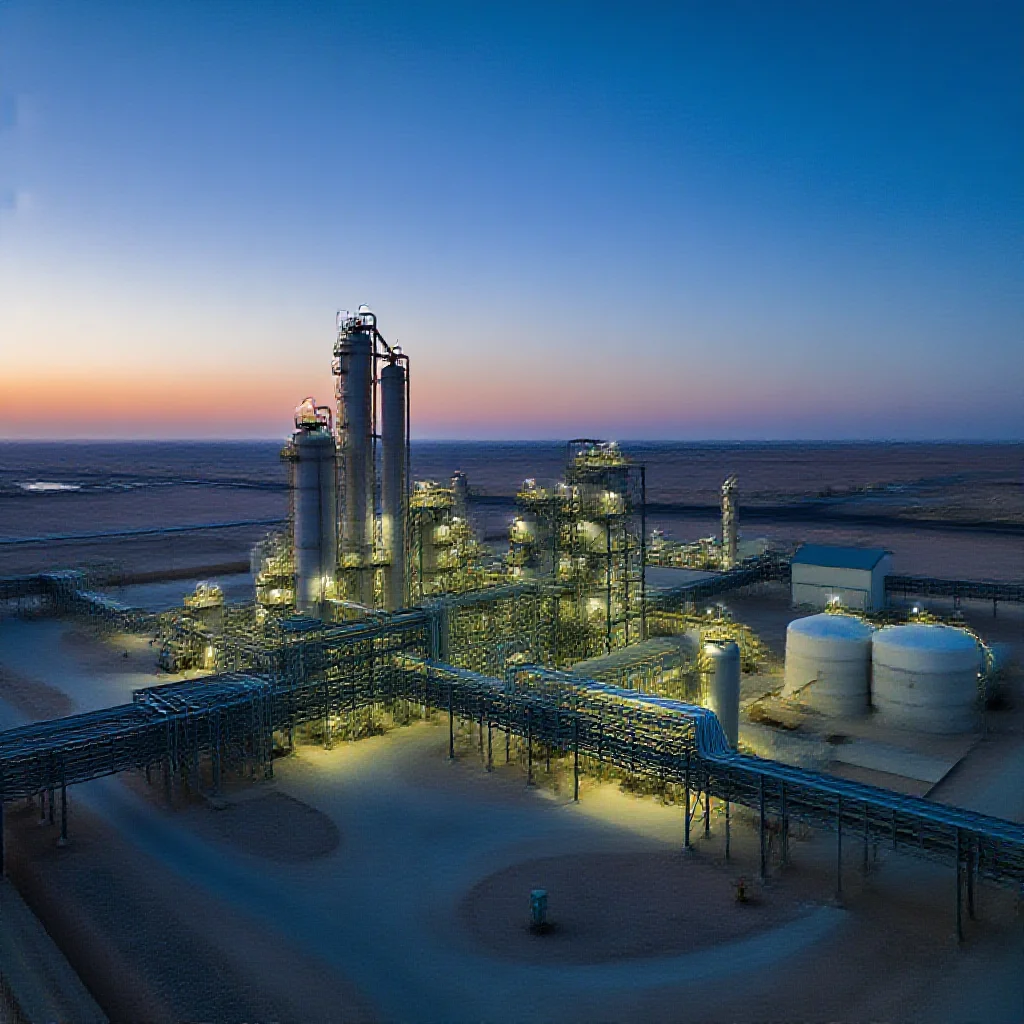
Saudi Cement Industry 2024: Decoding the Sales Slump and Inventory Surge
Saudi Arabia's cement sector is signaling a significant market shift in 2024, with sales declining 7.7% in the first nine months while clinker inventories surged 8.8%. This article moves beyond the headline numbers to analyze the underlying economic pressures, including a potential construction slowdown, strategic inventory management by major producers, and the long-term implications for supply chain resilience and regional competition. We examine the data from 13 major companies to uncover the strategic and operational challenges facing the industry.

Force Majeure in Construction: Why Pre-Existing Breaches Nullify Your Legal Shield
Force majeure clauses are not a universal 'get-out-of-jail-free' card for contractors, especially when performance failures predate the disruptive event. This article analyzes the strict legal principle, established in cases like MUR Shipping BV v RTI Ltd, that a causal link must be proven between the event and the inability to perform. We explore the hidden economic logic behind this judicial stance—preventing opportunistic use of external crises to excuse prior mismanagement—and its profound implications for risk allocation, contract drafting, and supply chain resilience in the construction industry. Contractors must understand that the burden of proof rests squarely on them.

Beyond Blueprints: How RIBA''s Saudi Partnership Signals a Strategic Shift in Global Construction
The Royal Institute of British Architects'' (RIBA) advisory partnership with Saudi Arabia is more than a standard consultancy agreement; it''s a strategic move in the global competition for influence over future urban landscapes. This analysis positions the MoU as a key component of Saudi Vision 2030''s economic diversification, where developing a world-class domestic construction sector is critical for reducing oil dependency. We explore the hidden logic: this is about exporting British professional standards and governance models to shape a multi-trillion dollar market, creating long-term dependencies and securing UK relevance in a post-oil Gulf. The collaboration aims to build not just infrastructure, but an entire indigenous ecosystem of skills, regulations, and sustainable practices, with profound implications for global construction supply chains and geopolitical soft power.
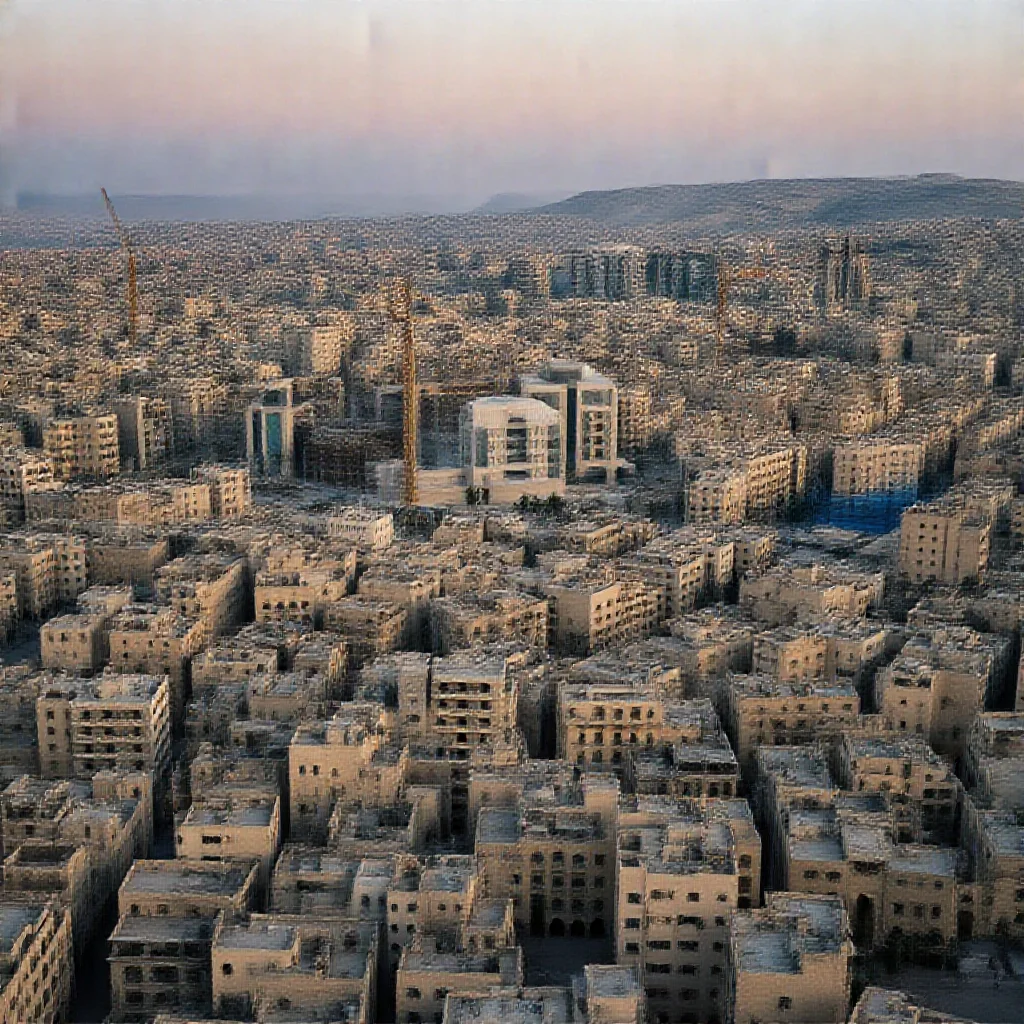
Beyond the Headline: The $300M Saudi Investment in Syria and Its Geopolitical Significance
The announcement of a $300 million Saudi real estate project in Damascus, led by Al-Mutlaq Real Estate Investment Company, is more than a business deal. This analysis explores the project as a potential indicator of shifting Gulf economic diplomacy and a cautious re-engagement with Syria's post-war reconstruction. We examine the strategic timing, the signal it sends regarding regional normalization, and the inherent risks of investing in a sanctioned and fragile economy. The article investigates what this move reveals about long-term Saudi economic strategy and the challenges of pioneering large-scale development in a complex geopolitical landscape.
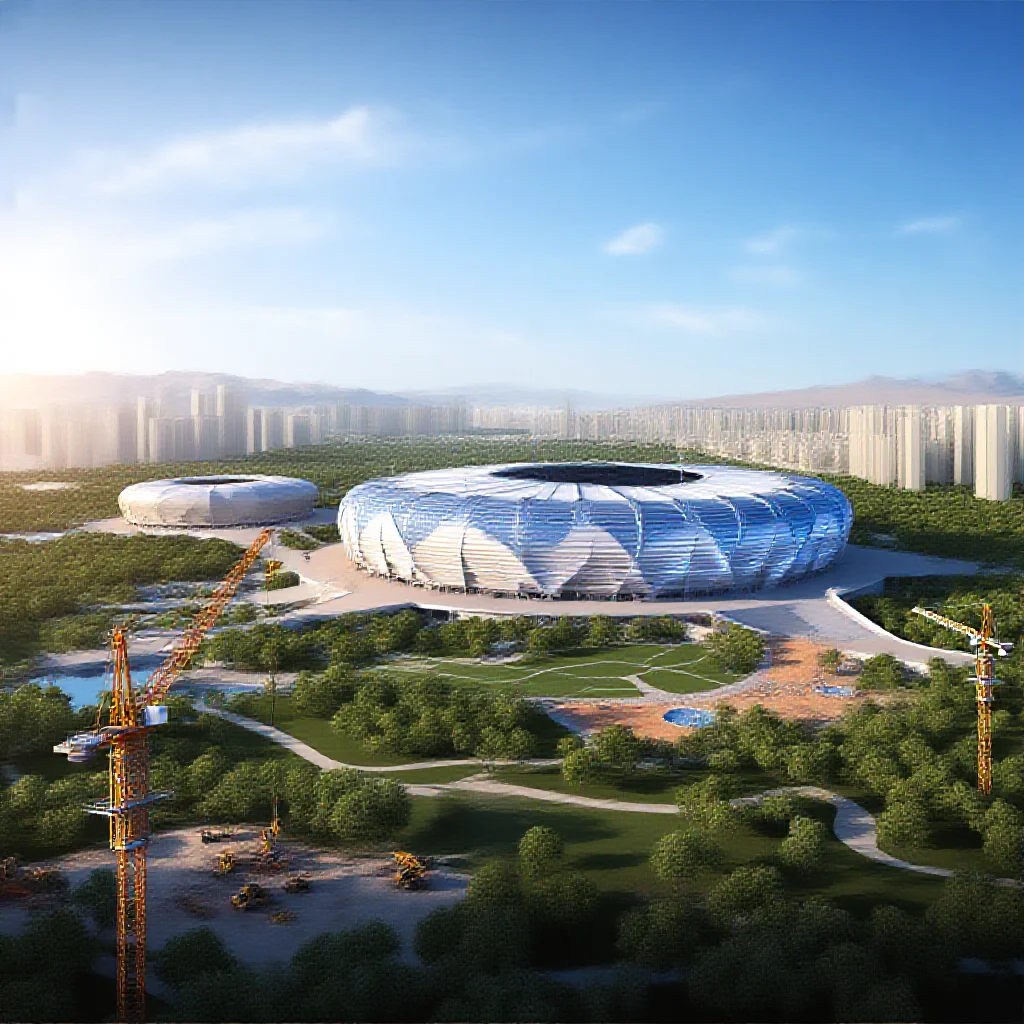
Beyond the Stadium: How the King Salman Park Early Works Signal a New Era for Riyadh''s Urban Development
The launch of the prequalification process for the King Salman Stadium's early works is more than a procedural step; it's a strategic signal in Riyadh's ambitious urban transformation. This article analyzes the project not just as a sports venue, but as a critical catalyst within the massive King Salman Park development. We explore the underlying economic logic of sequencing major projects, the strategic importance of 'enabling works' in de-risking multi-billion dollar visions, and what this early phase reveals about the Arriyadh Development Authority's (ADA) project management philosophy. The move from design (awarded in 2022) to ground preparation marks a pivotal shift from vision to executable reality, setting the stage for supply chain mobilization and long-term urban value creation in the Saudi capital.
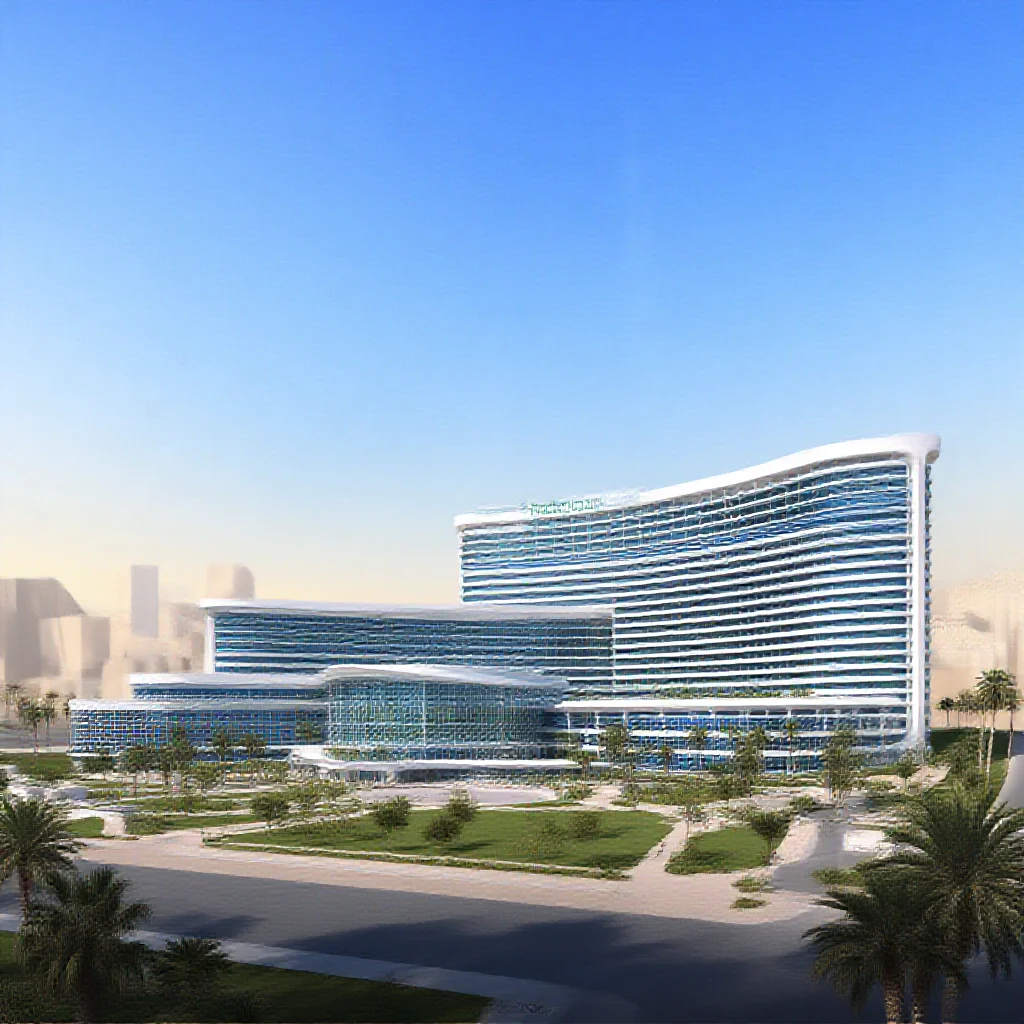
Beyond Beds: How King Faisal University''s New Hospital Signals a Strategic Shift in Saudi Healthcare & Education
The launch of the prequalification process for King Faisal University's new hospital in Al-Ahsa is more than a construction tender. This analysis reveals the project as a strategic node in Saudi Arabia's Vision 2030, integrating a 300-bed hospital with a medical hotel, dual colleges, and research facilities. We examine the underlying economic logic of creating a self-sustaining 'healthcare-education-innovation ecosystem, its role in decentralizing medical services from major cities, and the long-term implications for the regional supply chain and talent pipeline. This move positions the university not just as an educator, but as a direct driver of economic diversification and healthcare sovereignty.