Real Estate
In-depth analysis and breaking intelligence on real estate markets across the GCC.
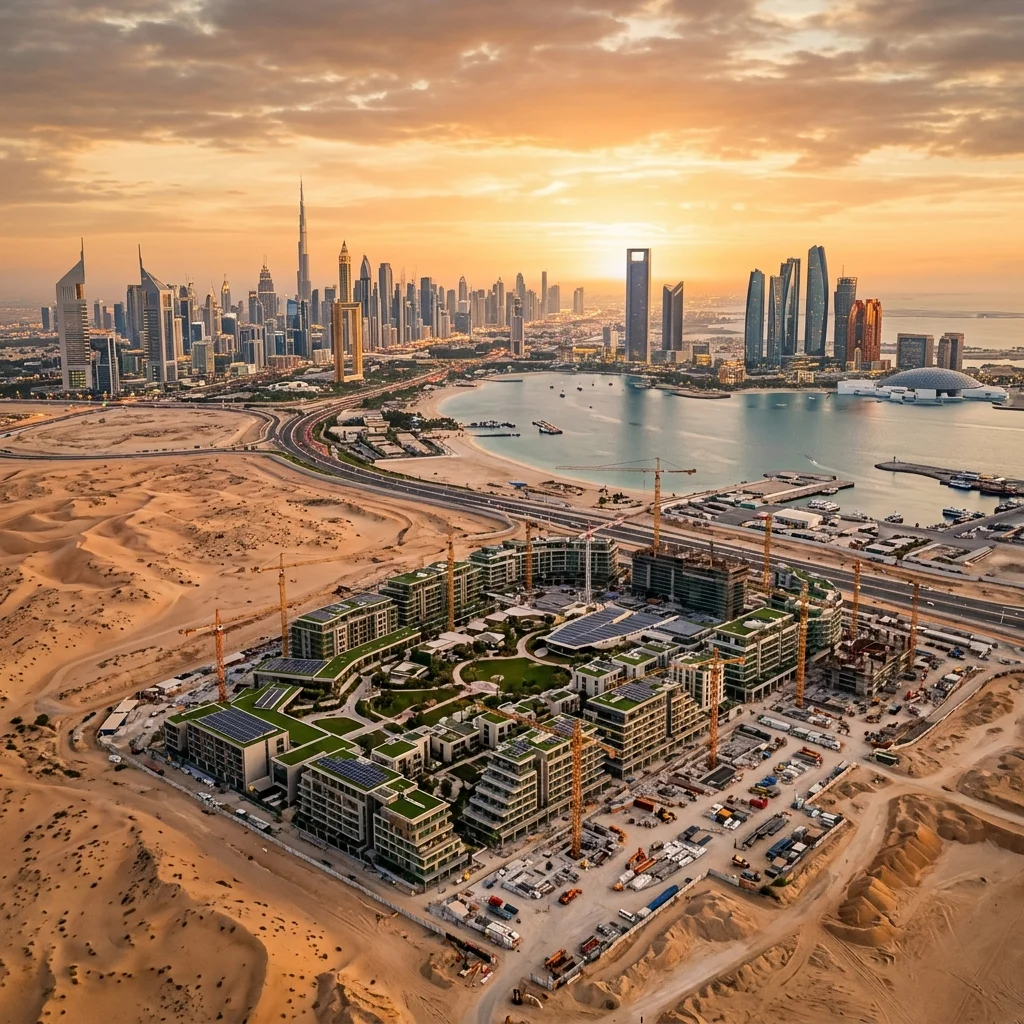
The GCC Real Estate Surge: Unpacking the $260B Market Opportunity Beyond the Headlines
The GCC real estate market is projected to grow from $141.2 billion in 2025 to $260.3 billion by 2034, driven by a 7.03% CAGR. While the UAE dominates with a 61.1% share—bolstered by record-breaking transactions and smart city mega-projects—the region''s deeper story lies in a fundamental shift: economic diversification is reshaping real estate from a cyclical, oil-dependent sector into a structurally resilient asset class underpinned by tourism, technology, and sustainability mandates. This article provides a dual-track deep audit: examining immediate price trends (Dubai +19.46% YoY) and long-term supply-chain implications of government-led infrastructure and smart-city investments across Saudi Arabia, Kuwait, and the UAE.

The Gulf Real Estate Paradox: How Geopolitical Stability and Digital Transformation Are Reshaping Market Fundamentals
While global real estate markets face volatility, Gulf markets are rewriting the rules through a unique convergence of geopolitical neutrality, sovereign wealth fund strategies, and AI-driven urban planning. This article explores the hidden economic logic behind the region's property boom, examining how the Gulf is transitioning from oil-dependent markets to data-driven, resilient ecosystems. We analyze the long-term impact of tokenization, smart city infrastructure, and demographic shifts on supply chains and investment flows, offering a framework beyond traditional supply-demand analysis to understand this emerging market paradigm.
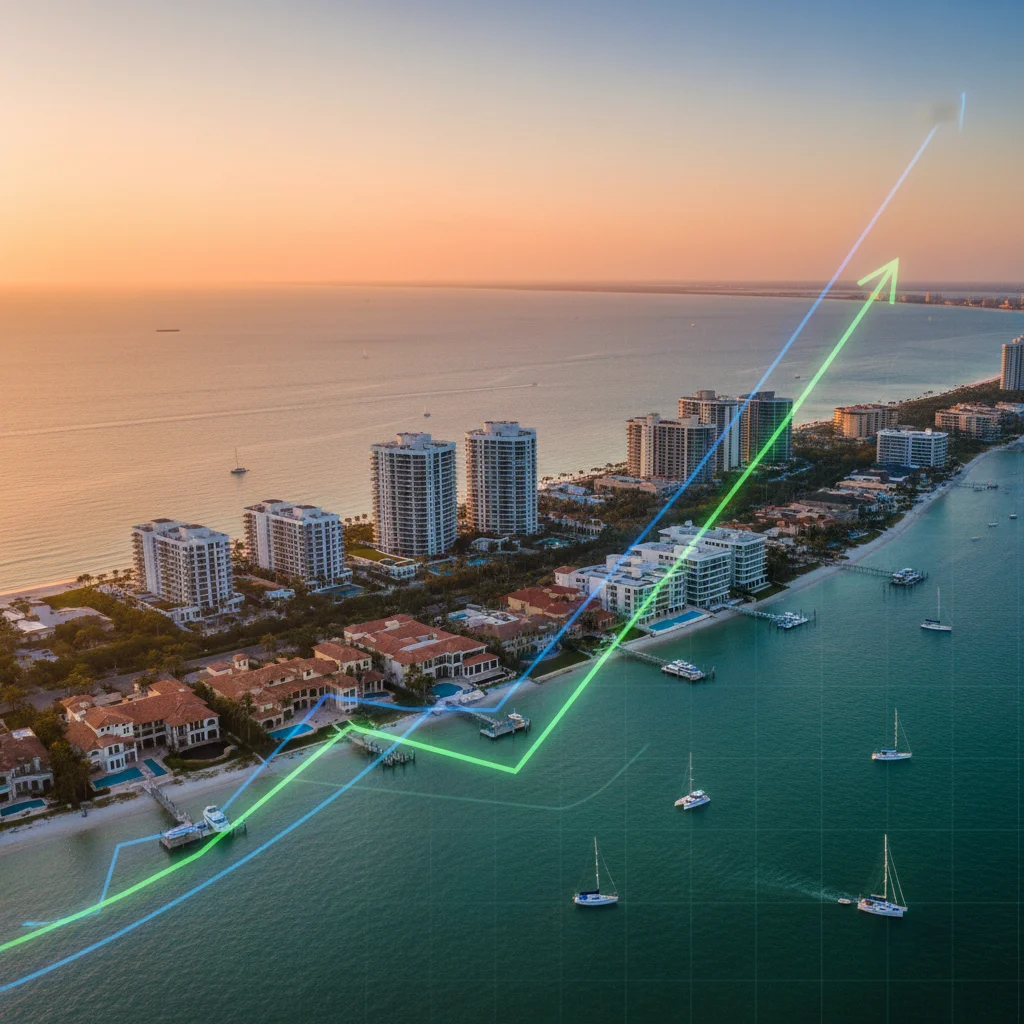
Gulf Coast Real Estate 2026: The Luxury Bifurcation and the 50% Reset
After three years of sluggish national sales, Gulf Coast markets like Sarasota and Naples are staging a selective recovery. While total sales remain 25% below peak levels, 2025 saw a notable second-half surge in single-family homes, driven almost entirely by the $1-million-plus segment. Prices have risen roughly 50% since 2020, creating a new baseline that tensions with rising holding costs for condos and a slower market under $500,000. National forecasts for 2026 project a 5% sales increase and 2% price appreciation, but the real story is a structural bifurcation: luxury and ultra-luxury (where Florida continues setting records) are decoupling from the mid-market. This article explores the hidden economic logic behind that split, the role of buyer psychology around condo costs, and why the 2026 outlook depends on whether the second-half momentum of 2025 can become a full-year trend.
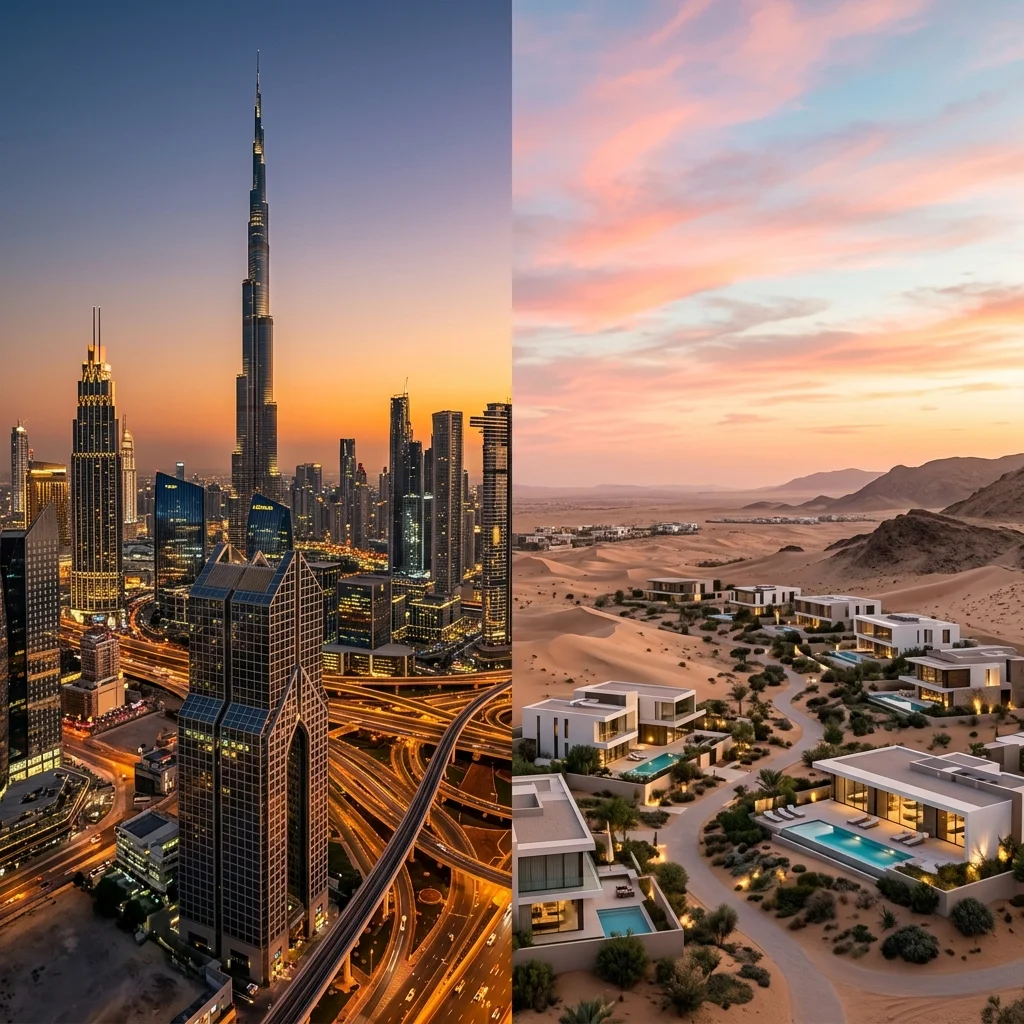
The Gulf Property Paradox: Why 2025 Is the Year of the ‘Tier-2 City’ in the Middle East Real Estate Boom
The Gulf real estate market is often viewed through the lens of Dubai’s record-breaking AED 430 billion year or Saudi Arabia’s Vision 2030. However, the deeper economic logic for 2025 reveals a shift toward ‘Tier-2’ cities like Sharjah, Al Khobar, and Lusail. As primary markets mature and transaction volumes plateau for smaller investors, the real return potential lies in secondary hubs where entry prices are lower, visa incentives are expanding, and infrastructure is still catching up. This article audits the data—from Oman’s 29% transaction surge to Qatar’s $419 billion Q1—to reveal a pattern of strategic decentralization. We argue that the smart money is not chasing the skyline of Dubai, but the emerging master-planned communities in less-saturated markets, backed by sovereign wealth fund projects and luxury brand tie-ins (Aston Martin, Missoni, Trump) that signal long-term confidence.
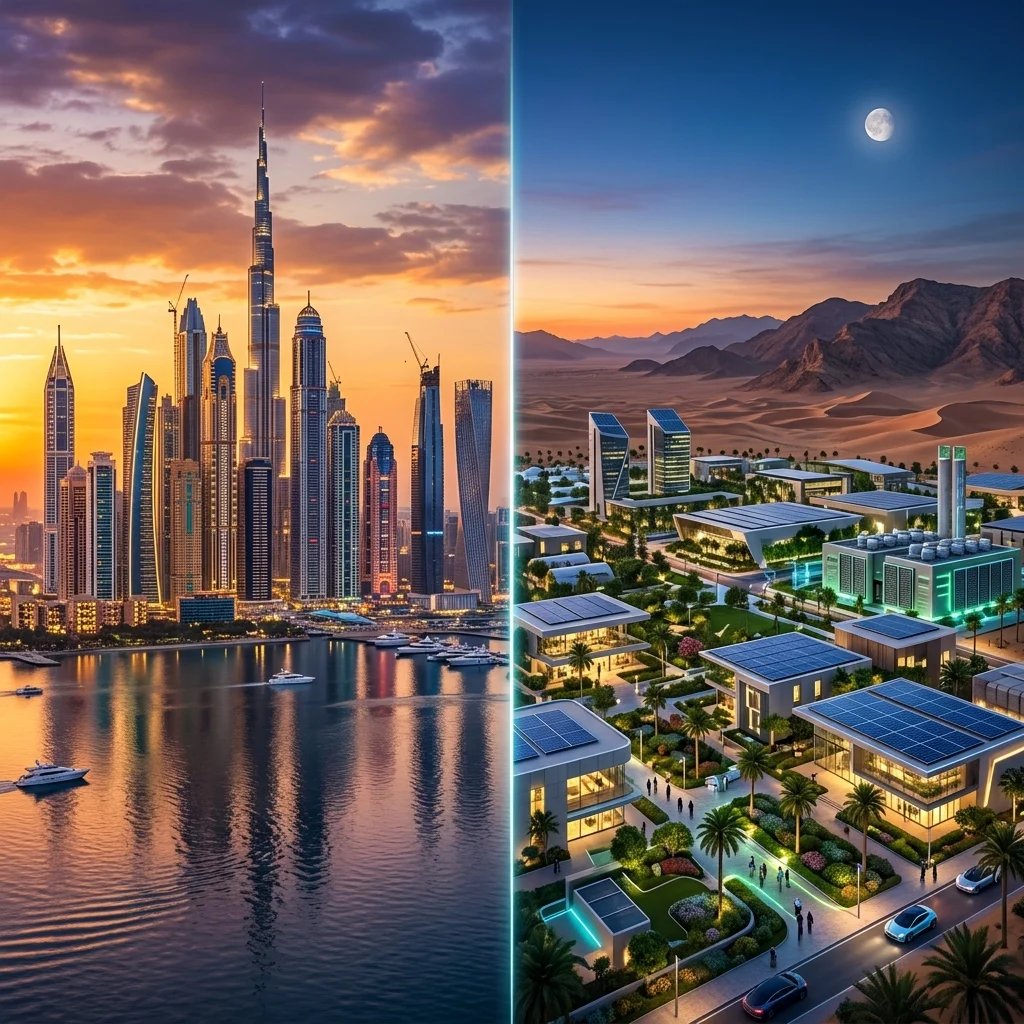
GCC Real Estate 2025-2034: Beyond the Boom – The Demographic and Infrastructure Logic Steering a $260 Billion Market
The Gulf Cooperation Council (GCC) real estate market is on track to double from USD 141.2 billion in 2025 to USD 260.3 billion by 2034, driven by a robust 7.03% CAGR. While headlines focus on Dubai''s 19.46% price surge and Saudi Arabia''s Vision 2030, this article reveals the hidden economic logic: demographic explosions (32% Saudi population growth, UAE hitting 15.4 million by 2050) and a pivot from speculative luxury to infrastructure-backed stability. We analyze the dual forces of sovereign wealth fund discipline (e.g., NEOM scale-backs, Riyadh rent freezes) and tech-led demand (data center investments), explaining why the UAE retains 61.1% market share while Saudi Arabia emerges as a long-term value play. Data-driven insights from RERA and ADGM frame the strategic outlook.

Middle East Real Estate Market 2026-2034: Growth, Hurdles, and the New Urban Frontier
The Middle East real estate market is poised for explosive growth, climbing from USD 937.85 billion in 2026 to USD 1.78 trillion by 2034 at a CAGR of 8.31%. This expansion is fueled by government-led mega-projects, liberalized visa and ownership policies, and smart city ambitions. However, the industry faces countervailing pressures: acute affordability gaps (especially among young Saudi adults), environmental constraints like water scarcity, and regulatory fragmentation across jurisdictions. This article moves beyond surface-level growth figures to examine the hidden tension between state-driven supply and organic demand, the role of digital infrastructure as a new asset class, and the unsustainability of current water-dependent development models. Drawing on data from official housing ministries, property consultancies, and global benchmarks, it provides a deep audit for investors, policymakers, and developers navigating this complex landscape.