Real Estate
In-depth analysis and breaking intelligence on real estate markets across the GCC.

Unable to Generate Article: Fact List Unavailable
The provided fact list contains political content and was not processed. As a result, no article structure can be generated. Please provide a cleaned fact list free of political content to proceed.
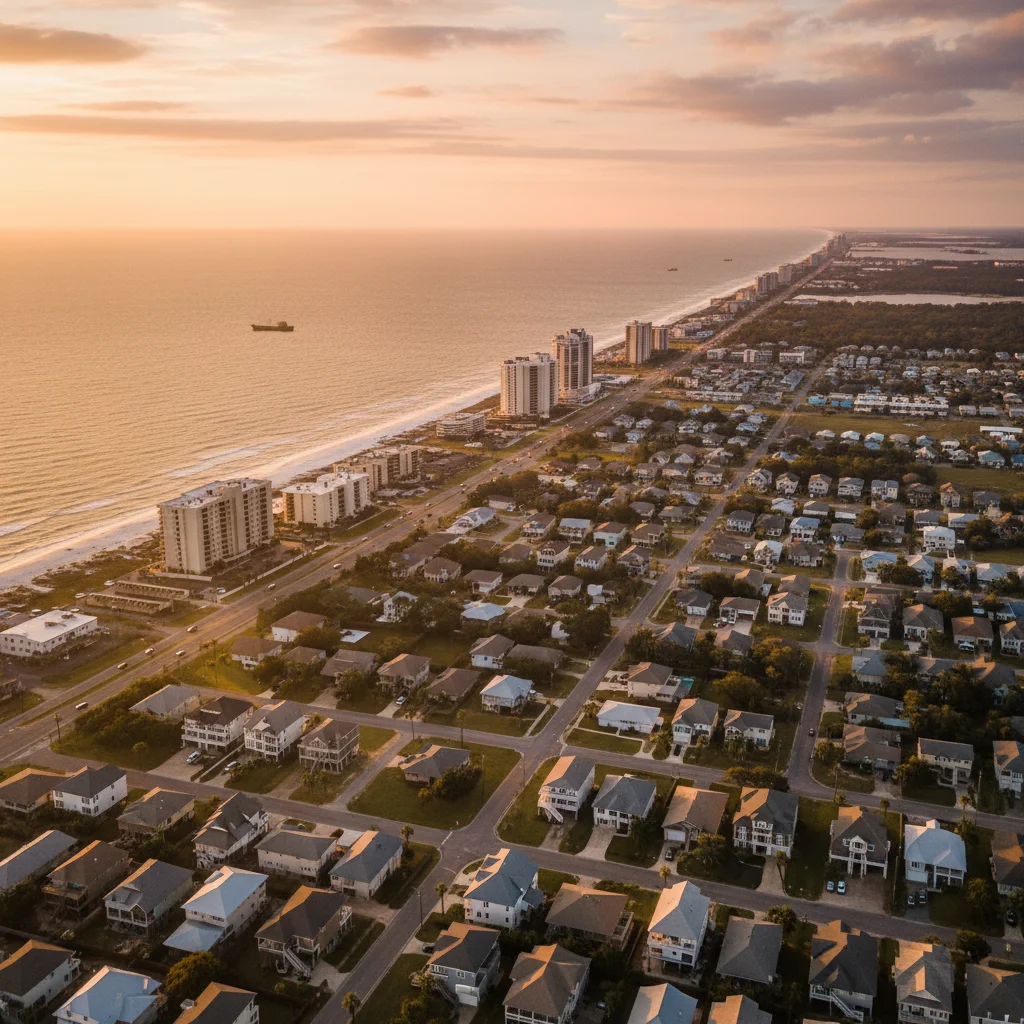
MS Gulf Coast Real Estate Market Trends: Prices, Rents, Inventory, and What the Data Really Means
The MS Gulf Coast real estate market is best understood as a two-speed system: for-sale pricing is stabilizing unevenly across cities, while rental conditions remain supported by modest supply, growing rents, and still-healthy yields. Gulfport shows a softer resale market with rising inventory and slower turnover, while Moss Point reflects a lower-priced segment with year-over-year appreciation. At the regional level, average home prices, rents, vacancy, and multifamily development point to a market being reshaped by affordability pressure, migration patterns, and investment returns. This article will connect city-level pricing, county-wide averages, and statewide benchmarks to explain where demand is strongest, where affordability is improving, and what the next phase of Gulf Coast growth may look like.
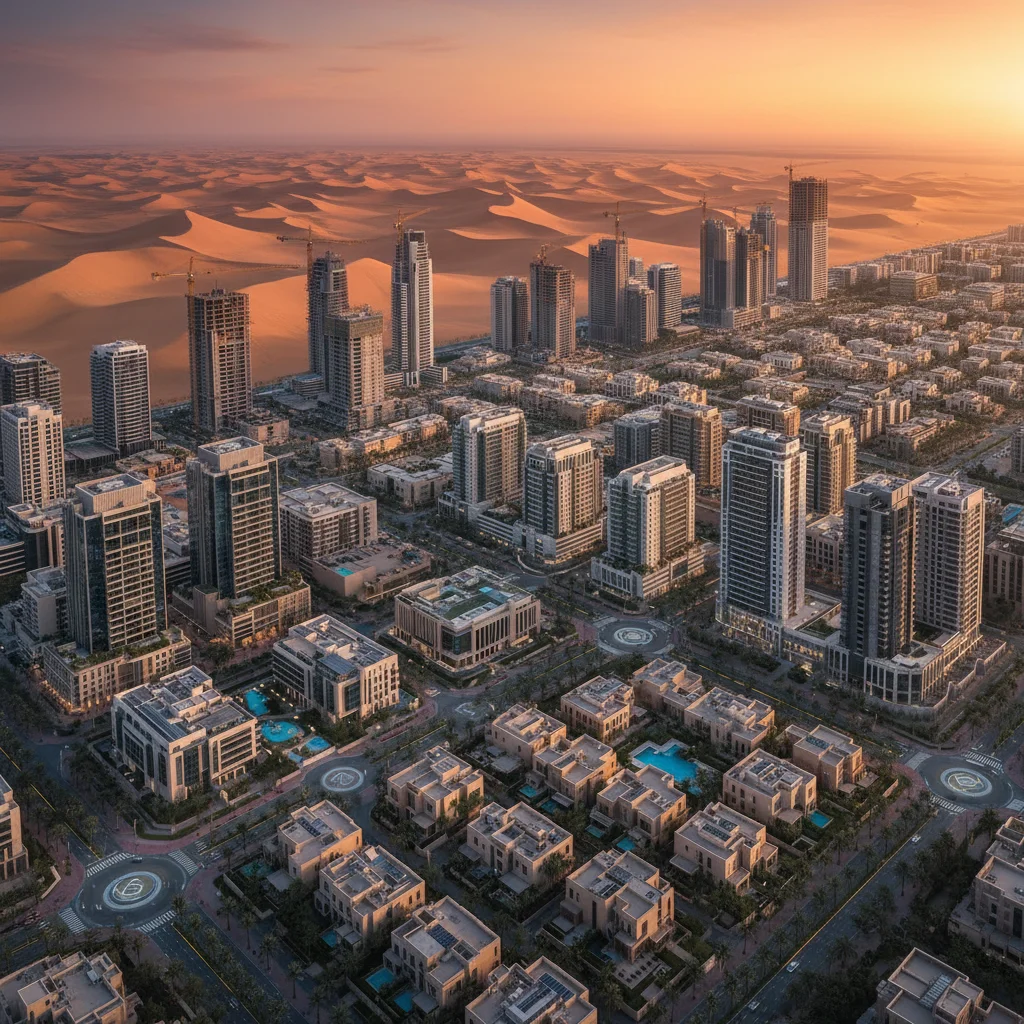
GCC Residential Real Estate Market Outlook 2025-2034: Growth Drivers, Supply Gaps, and the New Demand Cycle
The GCC residential real estate market reached USD 78.8 billion in 2025 and is projected to grow to USD 152.0 billion by 2034 at a CAGR of 7.35%. This article will explain the hidden economic logic behind the expansion: population inflows, urbanization, foreign ownership reforms, higher disposable incomes, and the rise of luxury, smart, and sustainability-led housing. It will also explore a deeper, less-covered angle: how residential demand is reshaping infrastructure investment, construction supply chains, and city planning across Gulf real estate markets. Verification points from market reports and external sources will be embedded early to establish timeline, valuation, and growth assumptions before moving into structural analysis.
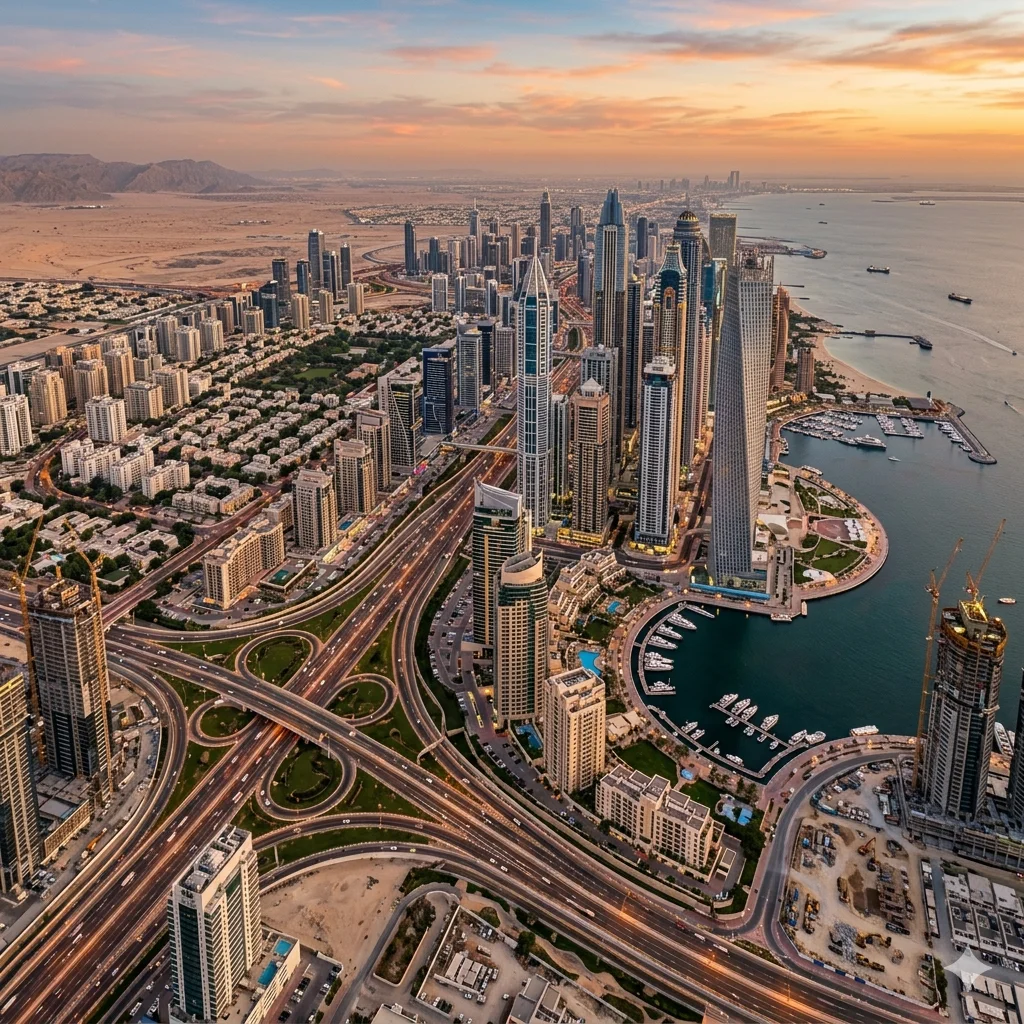
Gulf Real Estate Markets: Hidden Supply, Capital Flows, and the Next Phase of Regional Growth
This article will examine Gulf real estate markets through a deeper economic lens, focusing on the forces that shape pricing, supply, investor behavior, and long-term development cycles. Rather than treating property trends as isolated market news, it will connect demand drivers, financing conditions, infrastructure expansion, and cross-border capital flows. The structure is designed as a slow analysis piece, suitable for an industry deep audit, with verification points embedded where market data, transaction evidence, and supply pipeline indicators can be checked against credible sources. The article will also explore an underreported angle: how real estate activity in the Gulf reflects broader shifts in logistics, labor mobility, urban planning, and sovereign economic diversification strategies.

YouTube Footer Links Explained: What the Platform’s Information Page Reveals About Trust, Governance, and Digital Reach
This article examines YouTube’s information/footer page as more than a set of links. It reveals how a major digital platform structures trust, legal compliance, creator access, and global user navigation. The piece will analyze the hidden logic behind standard footer items such as Terms, Privacy, Copyright, Advertising, Developers, and Policies & Safety, and explain how this architecture supports platform governance at scale. It will also note the multilingual user-facing messaging and the 2026 Google LLC copyright marker as verification anchors. While the target keyword is unrelated, the article can use this page as a model for how large online ecosystems organize market-facing credibility, which may be useful for comparing platform strategy across sectors, including Gulf real estate markets.
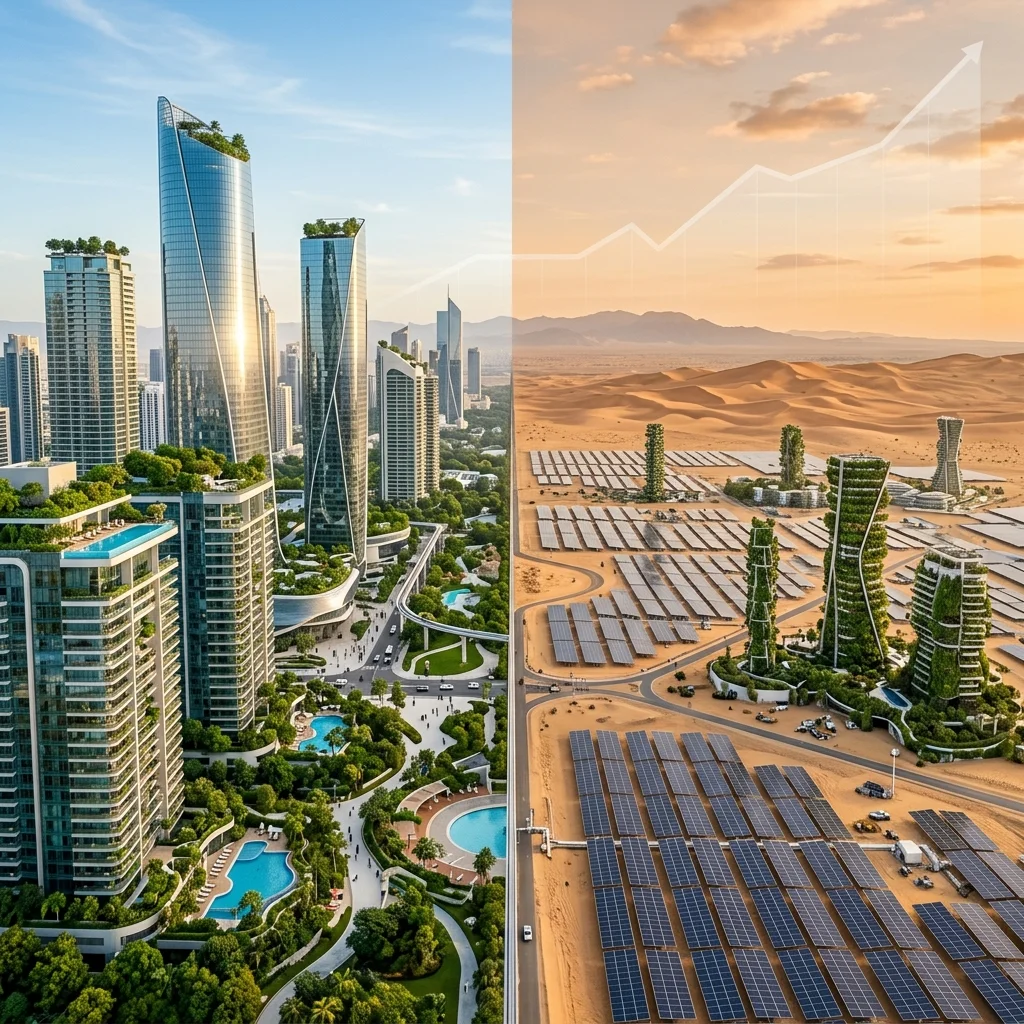
Middle East Real Estate Market 2026-2034: Growth, Affordability Gaps, and Sustainability Constraints
The Middle East real estate market is projected to surge from USD 937.85 billion in 2026 to USD 1.78 trillion by 2034, driven by government mega-projects, visa liberalization, and foreign investment. However, structural challenges—including a 60% homeownership affordability gap among young Saudis, soaring prime prices in Dubai, and severe environmental costs from water desalination and energy use—threaten long-term stability. This article analyzes the dual-track dynamics of rapid expansion and emerging constraints, highlighting co-living trends, regulatory risks, and the need for sustainable urban planning in Gulf markets.